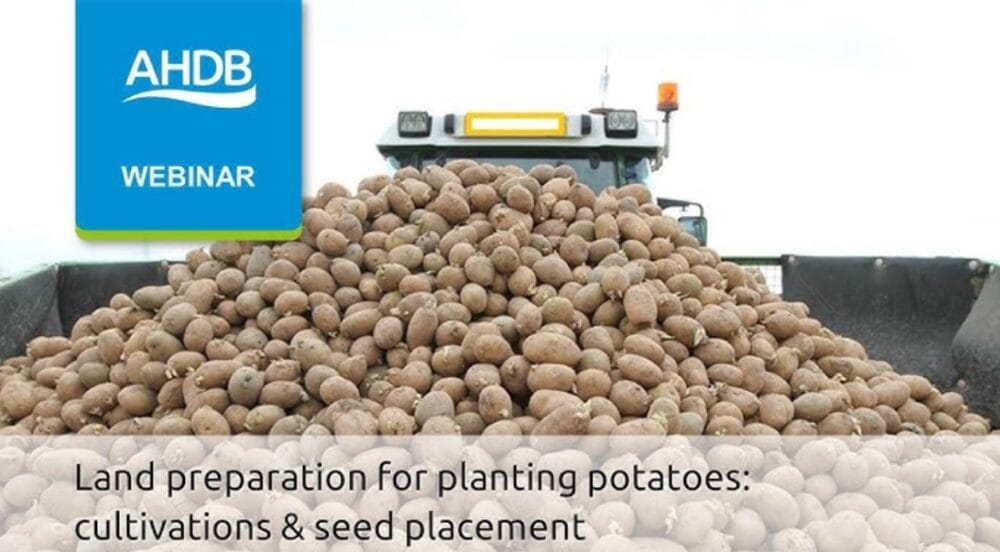
The Agriculture and Horticulture Development Board (AHDB) is set to launch a new web-based tool aimed at helping cereal growers better manage Barley Yellow Dwarf Virus (BYDV), a major threat to crop yields, according to a report by Agriland.
The digital tool, expected to be rolled out later this year, is designed to provide farmers with more accurate and data-driven insights into BYDV risk. The virus, spread primarily by aphids, can significantly reduce yields in crops such as wheat and barley if not managed effectively.
Unlike existing systems, the new platform will incorporate a broader range of variables, including temperature patterns, crop type, sowing dates, and local environmental conditions. It will also use advanced modelling techniques to estimate infection risk and recommend optimal spray timings.
Also Read: Fertilizer prices rising as global tensions disrupt nitrogen supply
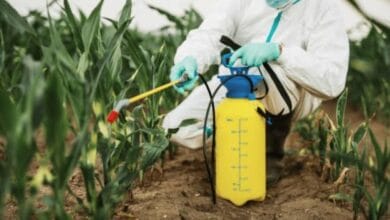
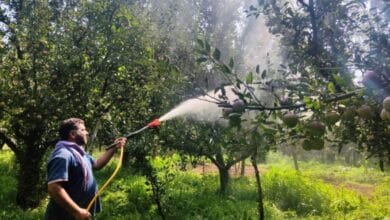
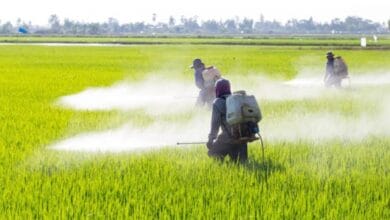
One of the key advantages of the tool is its ability to reduce unnecessary insecticide applications. Current approaches often rely on precautionary spraying, which can increase costs and contribute to resistance among pests. The AHDB’s new system aims to improve precision by identifying when interventions are truly needed, potentially lowering input costs while maintaining crop protection.
Additionally, the tool will include cost-benefit analysis features, helping farmers evaluate the economic impact of spraying decisions. It will also support integrated pest management strategies by encouraging cultural practices such as adjusted sowing dates and field selection.
AHDB has been working with researchers and farmers to refine the model, with further testing and user engagement planned ahead of its official launch. The initiative reflects a broader push toward digital agriculture solutions that enhance sustainability and productivity in cereal farming.
Also Read: Best Foods And Drinks To Reduce Body Heat Naturally In Summer
-

-
-

-
-

-

-
-

-

-
-

-

-

-

-
-

-

-
-
-
-

-
-
-

-
-
-
-
-
-

-

-

-

-
-
-

-

-
-

-
-

-

-

-
-

-

-

-

-

-