Pansy Flowers Cultivation
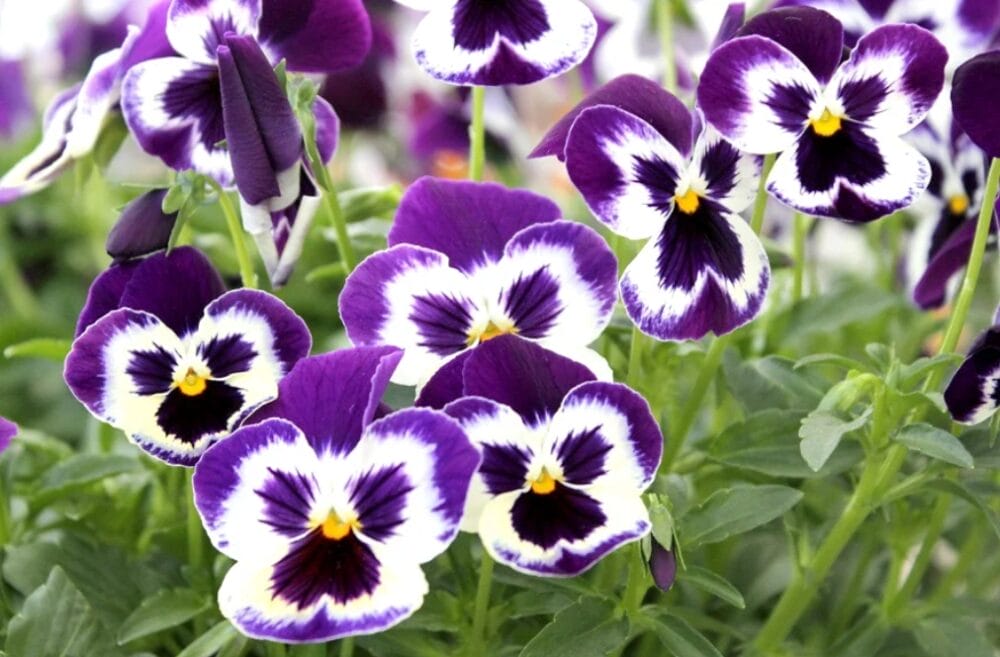
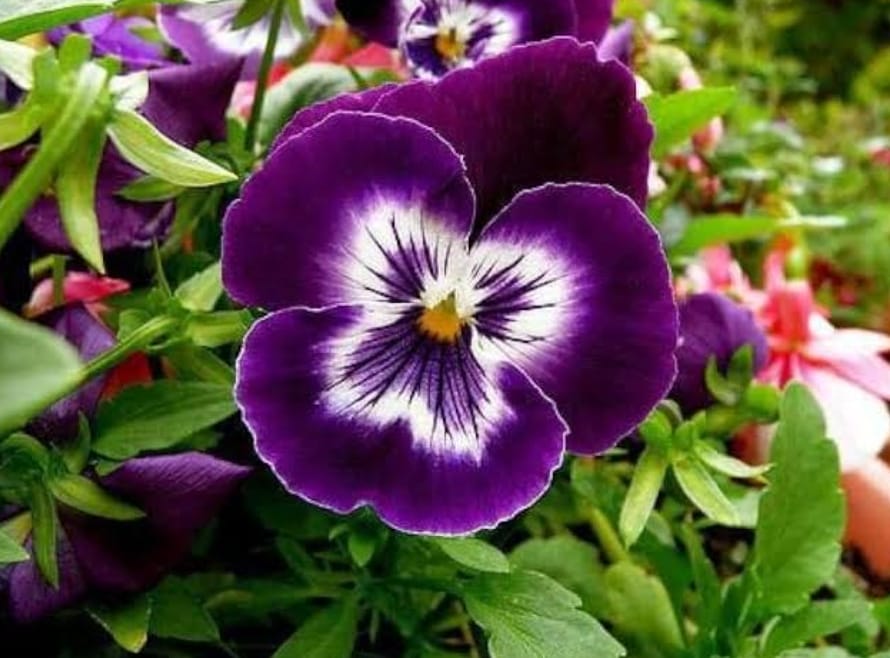
Pansy flowers (often spelled as “Pancy”) are among the most popular winter-season ornamental plants grown in gardens, balconies, and landscapes. Known for their bright colors, soft petals, and attractive “face-like” patterns, pansies add beauty and charm to any space. These flowers are easy to grow, low-maintenance, and suitable for both home gardeners and commercial floriculture.
In this blog, we will discuss everything you need to know about pansy flower cultivation, including climate, soil, sowing, care, pests, and harvesting.
Introduction to Pansy Flowers
Pansy flowers belong to the Viola genus and are native to Europe. They bloom in a wide range of colors such as purple, yellow, white, blue, red, and multicolored combinations. Pansies are mostly grown as annuals and are ideal for cool-season gardening.
These flowers are commonly used in flower beds, borders, hanging baskets, pots, and landscaping projects.
Suitable Climate for Pansy Cultivation
Pansies grow best in cool and mild climates. The ideal temperature range for healthy growth is 10°C to 20°C. They can tolerate light frost but do not perform well in extreme heat.
In India, pansy seeds are usually sown during September to October, so the plants bloom during winter and early spring.
Soil Requirements
Well-drained, fertile soil is essential for successful pansy cultivation. The soil should be:
- Loamy or sandy loam
- Rich in organic matter
- Slightly acidic to neutral (pH 5.5–6.5)
Before planting, mix compost or well-rotted farmyard manure into the soil to improve fertility and drainage.

Seed Sowing and Propagation
Pansies are mainly grown from seeds.
Nursery Preparation
Seeds are first sown in nursery beds or seed trays. Prepare a fine soil mixture using garden soil, sand, and compost in equal proportions.
Sowing Method
- Sow seeds shallowly (about 0.5 cm deep)
- Cover lightly with soil
- Water gently using a spray
Seeds usually germinate within 7–14 days.
Transplanting
When seedlings develop 4–5 true leaves (about 4–5 weeks old), they are ready for transplanting. Maintain a spacing of 20–25 cm between plants.
Water Management
Regular watering is important, especially during early growth stages. Keep the soil moist but not waterlogged. Overwatering can cause root rot and fungal diseases.
- Water early in the morning
- Reduce watering during cold or rainy days
- Ensure proper drainage in pots and beds
Fertilizer and Nutrient Management
For healthy growth and more flowers, balanced nutrition is required.
- Apply organic compost at planting time
- Use a balanced liquid fertilizer (NPK 10:10:10) every 2–3 weeks
- Avoid excess nitrogen, as it promotes leaf growth over flowering
Also Read:Top 10 Benefits of Organic NPK Fertilizers for healthy plants
Sunlight Requirements
Pansies prefer full sun to partial shade. They need at least 4–6 hours of sunlight daily. In warmer regions, partial shade during afternoon hours helps protect plants from heat stress.
Weed Control and Mulching
Regular weeding helps reduce competition for nutrients and water. Mulching with dry leaves or straw helps:
- Retain soil moisture
- Control weeds
- Maintain soil temperature
Pest and Disease Management
Common Pests
- Aphids
- Thrips
- Spider mites
Control pests by spraying neem oil or mild insecticidal soap.
Common Diseases
- Root rot
- Powdery mildew
- Leaf spots
Avoid water stagnation and overcrowding. Fungicides can be used if infections become severe.
Also Read:Bayer Alanto Insecticide: A Smart Choice for Effective Pest Control
Flowering and Maintenance
Pansies start flowering 8–10 weeks after transplanting. To encourage continuous blooming:
- Remove faded or dead flowers (deadheading)
- Remove yellow or damaged leaves
- Apply light fertilizer regularly
Proper care ensures flowering continues throughout the winter season.
Harvesting and Uses
Pansy flowers are mainly used for decorative purposes. They are also edible and used in salads, cakes, and garnishing. Flowers should be picked early in the morning for best freshness.
Conclusion
Pansy flower cultivation is an excellent choice for gardeners looking for colorful, easy-to-grow winter flowers. With proper soil preparation, timely watering, adequate sunlight, and basic care, pansies reward growers with long-lasting and vibrant blooms.
Whether grown in pots or open gardens, pansies enhance the beauty of any space.
Frequently Asked Questions (FAQ)
Q1. What is the best time to plant pansy seeds?
The best time to plant pansy seeds is September to October for winter flowering.
Q2. How long do pansy flowers take to bloom?
Pansies usually start blooming 8–10 weeks after transplanting.
Q3. Can pansies be grown in pots?
Yes, pansies grow very well in pots, containers, and hanging baskets with proper drainage.
Q4. How often should pansy plants be watered?
Water regularly to keep soil moist, but avoid overwatering. Usually 2–3 times a week is sufficient.
Q5. Do pansies need full sunlight?
Pansies grow best in full sun to partial shade, needing at least 4–6 hours of sunlight daily.
Q6. Why are my pansy plants not flowering?
Lack of sunlight, excess nitrogen fertilizer, or high temperatures can reduce flowering.
Q7. How long do pansy plants last?
Pansy plants typically last through the winter season and may continue into early spring with proper care.
Also Read:Top 10 Benefits of Running
-

-

-

-
-

-

-

-

-
-
-
-

-

-

-

-

-
-
-

-

-
-
-
-
-
-
-
-
-
-
-
-
-
-

-
-
-
-

-
-

-

-

-
-

-

-

-

-

-
-