16 MOUs on agriculture
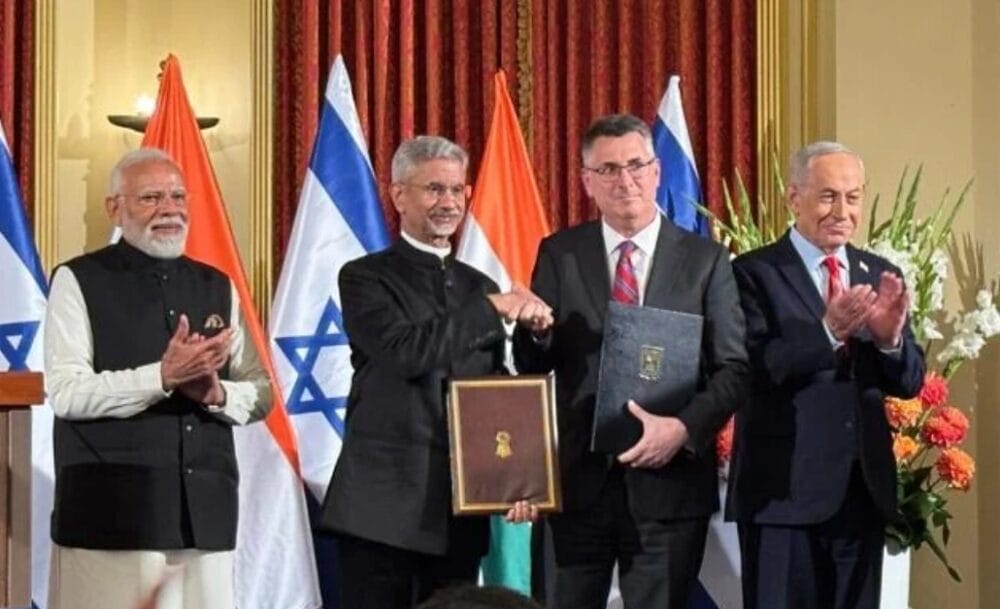
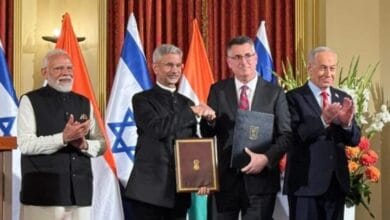
Jerusalem — Israel and India on Thursday signed 16 bilateral memorandums of understanding (MOUs) spanning agriculture, technology, cybersecurity, education, and other key sectors, marking a significant milestone in their expanding strategic partnership, officials said.
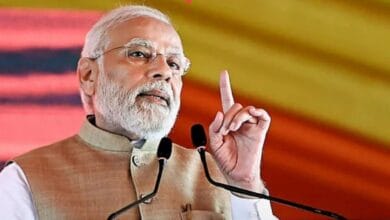
The MOUs were formalized at a joint press conference in Jerusalem attended by Israeli Prime Minister Benjamin Netanyahu and Indian Prime Minister Narendra Modi, concluding the Indian leader’s two-day state visit aimed at deepening economic and technological cooperation.
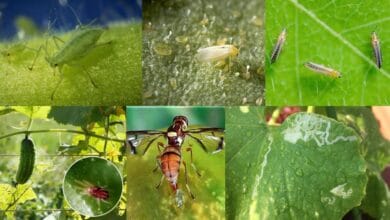
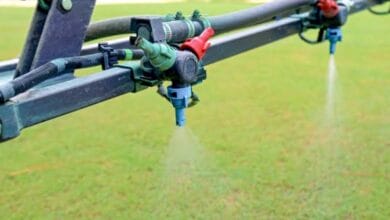
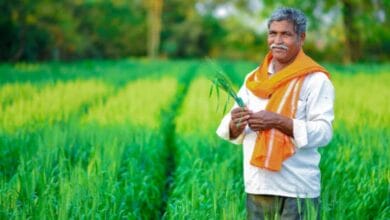
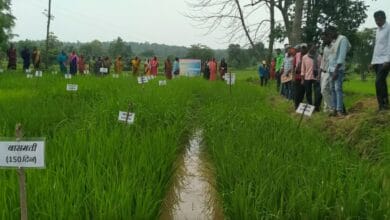
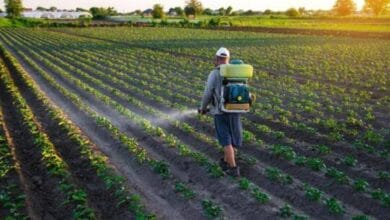
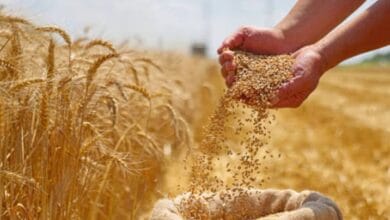
Among the agreements were cooperation pacts in agricultural innovation, including irrigation and fertilization management, pest control, greenhouse cultivation, and the use of civilian drones and satellite data. The two sides also signed an MoU to establish a research and innovation centre for agriculture in India, which will support expert exchanges, training programmes, and joint academic work.
The accords reflect both countries’ intent to integrate high-tech solutions into traditional sectors — from precision farming to digital payments. Several agreements covered artificial intelligence, cybersecurity, and education, and included a pact to link India’s Unified Payments Interface (UPI) with Israel’s financial systems, facilitating smoother cross-border digital transactions.
Also Read: Kashmir scientists develop early-maturing wheat varieties to solve crop cycle disruption
The visit also saw a renewed push toward a free trade agreement (FTA), with leaders committing to advance negotiations that could significantly boost bilateral trade, currently valued at around $3.6 billion.
Prime Minister Modi described the expanded cooperation as a step toward a “Special Strategic Partnership” that goes beyond defense ties to cover innovation, economic integration, and cultural exchange. Both sides emphasised shared democratic values and a mutual interest in technology-driven growth.
Officials said the agreements are expected to enhance research collaboration, increase trade flows, and strengthen people-to-people links between the two nations.
Also Read: agriculture
-

-
-
-
-
-

-

-

-
-
-
-
-
-
-
-
-

-

-

-
-
-
-

-

-
-

-
-

-

-
-
-

-
-
-
-

-

-

-
-
-
-

-
-
-
-
-
-
-

-