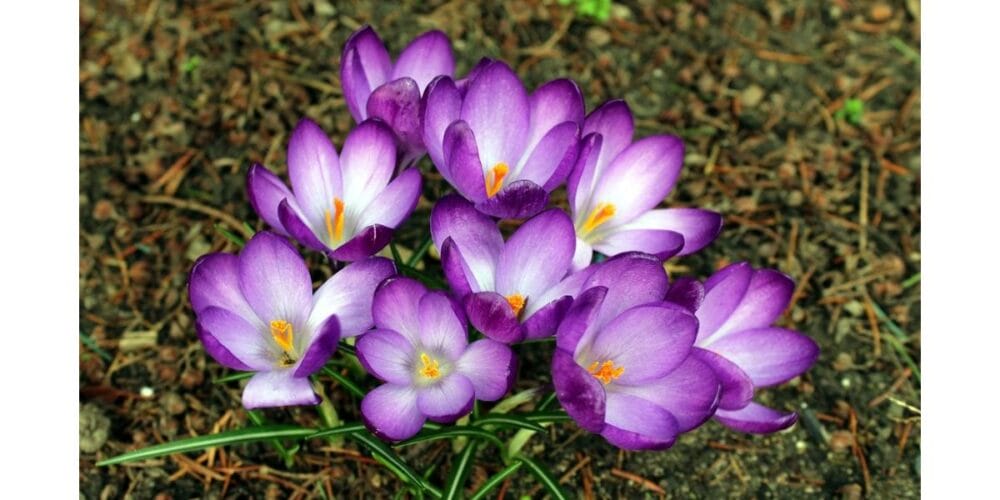
How to Grow Cobra Saffron
Cobra Saffron is an attractive and valuable flowering plant known for its fragrant blossoms and medicinal importance. Often associated with the plant Mesua ferrea, Cobra Saffron is admired in tropical gardens for its glossy foliage, white aromatic flowers, and traditional herbal uses. In many parts of South Asia, it is also called Nagakesar and is grown both as an ornamental tree and a medicinal plant.
If you want to grow Cobra Saffron successfully in your garden or farm, understanding its climate requirements, soil conditions, and care practices is essential.
This guide explains everything you need to know about cultivating Cobra Saffron.
Table of Contents
What is Cobra Saffron?
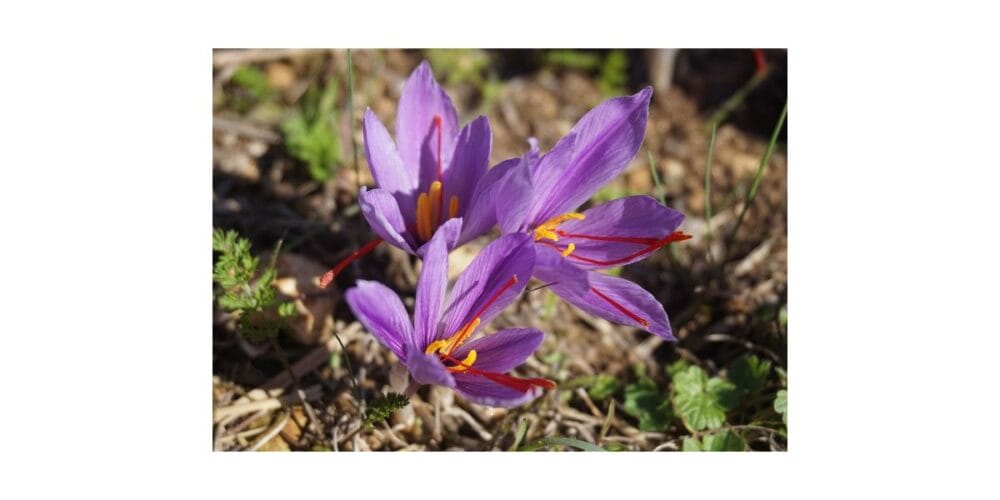
Cobra Saffron refers to the flowering tree Mesua ferrea, a tropical evergreen species native to India and Southeast Asia. The plant produces beautiful white flowers with golden-yellow stamens that resemble saffron threads, which is why it is sometimes popularly called “Cobra Saffron.”
The dried stamens of the flowers are often used in traditional medicine and herbal preparations. Apart from its medicinal value, the plant is also widely planted in parks, temples, and gardens because of its decorative beauty.
Ideal Climate for Growing Cobra Saffron
Cobra Saffron thrives best in tropical and subtropical climates.
Temperature Requirements
- Ideal temperature: 20°C to 35°C
- Can tolerate mild cold but not severe frost
Rainfall
- Requires moderate to high rainfall
- Performs well in regions with 1000–3000 mm annual rainfall
Sunlight
- Prefers full sunlight to partial shade
- Young plants benefit from light shade
In regions like eastern and southern India, the plant grows naturally due to favorable humidity and rainfall conditions.
Also Read: How to Grow Crossandra: A Complete Guide to Growing Firecracker Flower
Best Soil for Cobra Saffron Cultivation
Soil quality plays a crucial role in healthy plant growth.
Ideal Soil Characteristics
- Well-drained soil
- Slightly acidic to neutral pH (5.5–7.0)
- Rich in organic matter
- Sandy loam or loamy soil works best
Before planting, mix compost or well-rotted farmyard manure into the soil to improve fertility and drainage.
Avoid waterlogged soil because excessive moisture can damage roots.
Propagation Methods
Cobra Saffron can be propagated mainly through seeds.
Seed Propagation
- Collect mature seeds from ripe fruits.
- Remove the outer pulp and wash the seeds.
- Sow seeds immediately because they lose viability quickly.
- Plant them in nursery trays or polybags filled with fertile soil.
- Keep the soil moist but not soggy.
Seeds usually germinate within 3–5 weeks under suitable conditions.
Transplanting
When seedlings reach about 20–30 cm height, they can be transplanted to their permanent location.
Spacing between plants should be 6–8 meters, since Cobra Saffron grows into a large tree.
Planting Process
Follow these steps for successful planting:
- Dig a 60 cm × 60 cm × 60 cm pit.
- Fill the pit with a mixture of:
- Garden soil
- Organic compost
- Sand for drainage
- Plant the seedling carefully.
- Water immediately after planting.
Mulching around the plant base helps retain soil moisture and control weeds.
Watering Requirements
Cobra Saffron plants need regular watering during the early growth stage.
Watering Schedule
- Young plants: Water 2–3 times per week
- Established trees: Water once weekly during dry periods
During the rainy season, additional irrigation is usually not necessary.
Make sure the soil drains well to prevent root rot.
Fertilizer Management
For vigorous growth and good flowering, proper nutrient supply is important.
Recommended Fertilizers
- Organic compost or farmyard manure: 5–10 kg per plant annually
- Balanced NPK fertilizer during the growing season
Apply fertilizers at the beginning of the monsoon season to encourage strong growth.
Organic fertilizers are often preferred because they improve soil structure and microbial activity.
Pruning and Maintenance
Pruning helps maintain plant shape and encourages healthy growth.
Pruning Tips
- Remove dead, damaged, or diseased branches.
- Prune lightly after flowering.
- Avoid excessive cutting because the tree naturally forms a beautiful canopy.
Regular weeding and mulching around the base also helps maintain plant health.
Also Read: Sunflower Cultivation: A Complete Guide for Farmers
Common Pests and Diseases
Cobra Saffron is generally hardy but may occasionally face some problems.
Common Pests
- Aphids
- Scale insects
- Leaf-eating caterpillars
Diseases
- Leaf spot
- Root rot in poorly drained soil
Prevention Methods
- Maintain proper air circulation
- Avoid overwatering
- Use neem oil spray or organic pesticides when necessary
Regular monitoring helps detect issues early and protect the plant.
Flowering and Harvesting
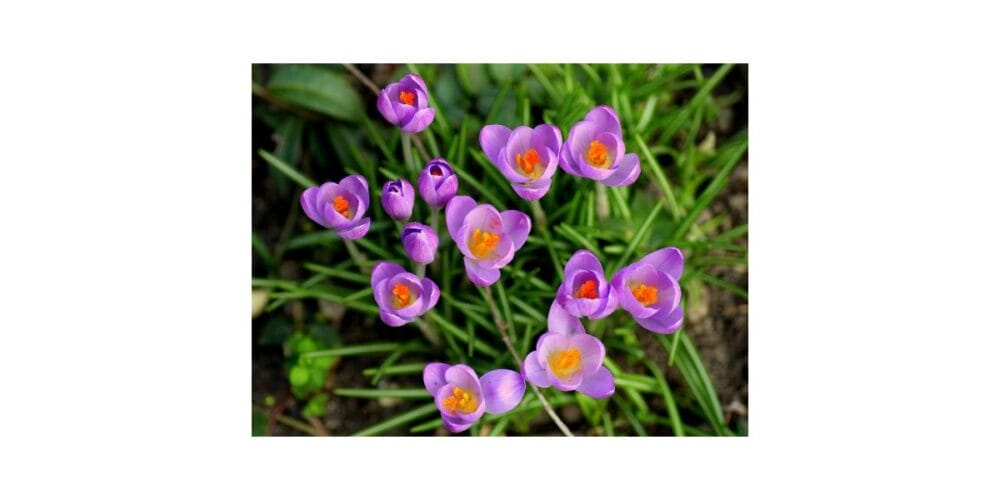
Cobra Saffron usually begins flowering after 5–7 years of growth.
The flowers are:
- White with golden stamens
- Highly fragrant
- Bloom mainly during the spring and early summer
The stamens of the flowers are collected and dried for medicinal and traditional uses.
Harvest flowers carefully in the morning when they are fresh.
Benefits of Growing Cobra Saffron
Growing Cobra Saffron offers several advantages:
- Beautiful ornamental flowering tree
- Medicinal and herbal value
- Long-lasting evergreen foliage
- Attracts pollinators like bees and butterflies
- Enhances garden aesthetics
Because of its cultural and ecological value, it is often planted in temples, parks, and traditional gardens.
Frequently Asked Questions
1. How long does Cobra Saffron take to grow?
It generally takes 5–7 years for the plant to mature and start flowering.
2. Can Cobra Saffron grow in pots?
Young plants can grow in large containers, but eventually they require open ground space because they become large trees.
3. Does Cobra Saffron need full sunlight?
Yes, the plant grows best in full sun or partial shade.
4. Is Cobra Saffron the same as Kashmiri saffron?
No. Cobra Saffron comes from the Mesua ferrea tree, while true saffron is obtained from the flower of Crocus sativus.
Also Read: How to Grow Mule Flower: A Complete Guide for Gardeners
Final Thoughts
Cobra Saffron is a magnificent tropical tree valued for its ornamental beauty, fragrant flowers, and medicinal importance. With proper soil preparation, adequate watering, and good sunlight, this plant can thrive and become a stunning addition to gardens and landscapes.
Although it takes several years to mature, the long-term benefits of growing Cobra Saffron—such as its elegant flowers and cultural significance—make it a rewarding plant for gardeners and farmers alike.
With patience and proper care, you can successfully cultivate Cobra Saffron and enjoy its beauty for decades.
-

-

-
-
-
-

-

-

-
-
-
-

-

-

-

-

-
-
-

-

-
-
-

-
-
-
-
-

-
-
-
-
-

-
-
-

-

-
-

-

-

-
-

-

-

-

-
-

-
-