How to Grow Lantana
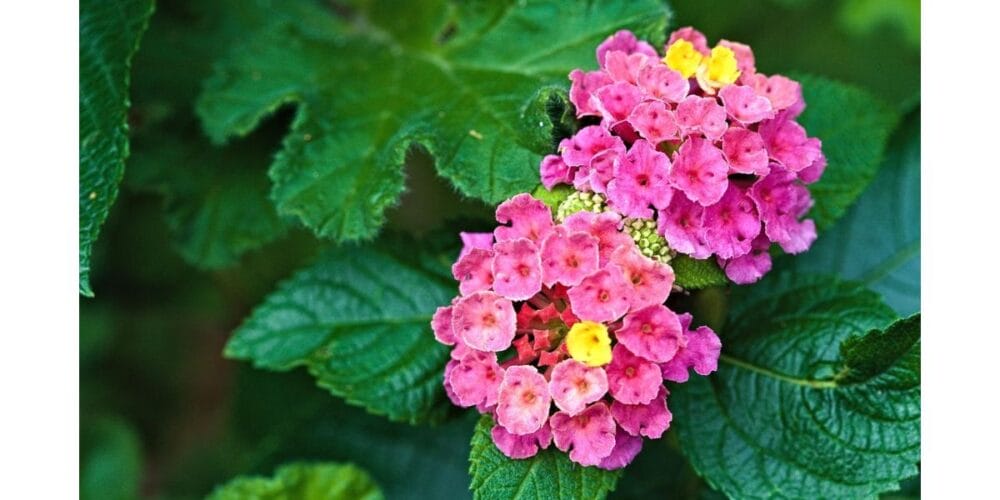
If you are looking for a low-maintenance, drought-tolerant, and long-blooming flowering plant, Lantana is a perfect choice. Scientifically known as Lantana camara, this vibrant ornamental plant produces clusters of bright flowers in shades of yellow, orange, pink, red, and purple. It thrives in warm climates and is ideal for gardens, borders, pots, and hanging baskets.
In this detailed guide, you will learn how to grow lantana successfully, including soil preparation, planting methods, watering, fertilization, pruning, pest management, and harvesting tips.
Introduction to Lantana
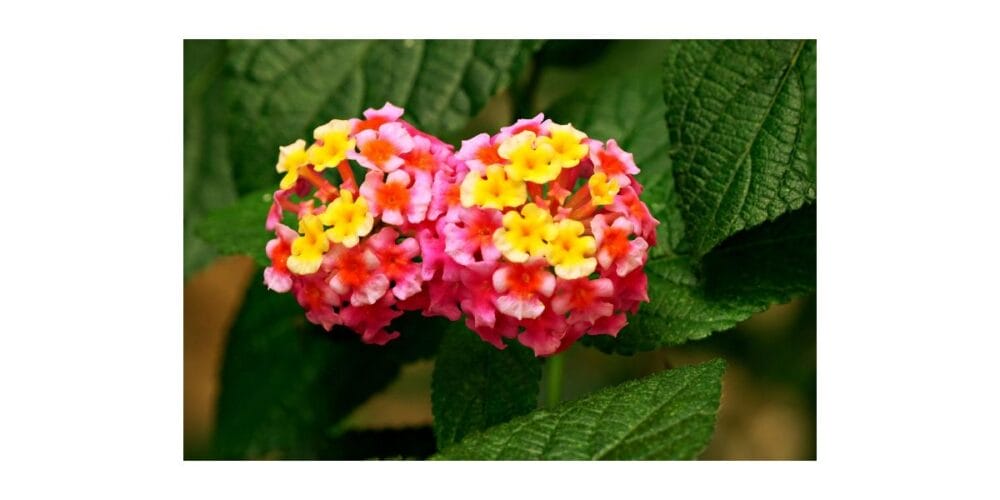
Lantana is a fast-growing flowering shrub native to tropical regions of the Americas. Due to its heat tolerance and continuous blooming habit, it is widely cultivated in tropical and subtropical climates. In India and similar regions, lantana grows as a perennial shrub, while in colder areas it may behave like an annual.
Key Features:
- Long blooming season (spring to frost)
- Drought-resistant once established
- Attracts butterflies and pollinators
- Suitable for pots, borders, and ground cover
Climate and Soil Requirements
Ideal Climate
Lantana thrives in warm and sunny conditions. It grows best in temperatures between 20°C to 35°C. It does not tolerate frost well, so protection is needed in colder regions.
Soil Requirements
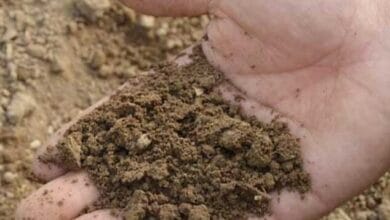
- Well-drained sandy or loamy soil
- pH between 6.0 to 7.5
- Avoid waterlogged conditions
Before planting, mix compost or well-rotted farmyard manure into the soil to improve fertility and drainage.
Propagation Methods
Lantana can be grown from seeds or stem cuttings.
1. Growing from Seeds
- Sow seeds in seed trays filled with light potting mix.
- Cover lightly with soil.
- Keep moist but not soggy.
- Germination takes 2–4 weeks.
2. Growing from Stem Cuttings (Recommended)
- Take 4–6 inch semi-hardwood cuttings.
- Remove lower leaves.
- Dip in rooting hormone (optional).
- Plant in moist sand or cocopeat.
- Roots develop in 3–4 weeks.
Cuttings are preferred because they grow faster and maintain the parent plant’s flower color.
Also Read: Tulip Flower Cultivation: A Complete Guide for Gardeners and Growers
Planting Lantana
Spacing
- For garden beds: Maintain 1–2 feet spacing between plants.
- For pots: Use 8–12 inch containers with drainage holes.
Planting Steps
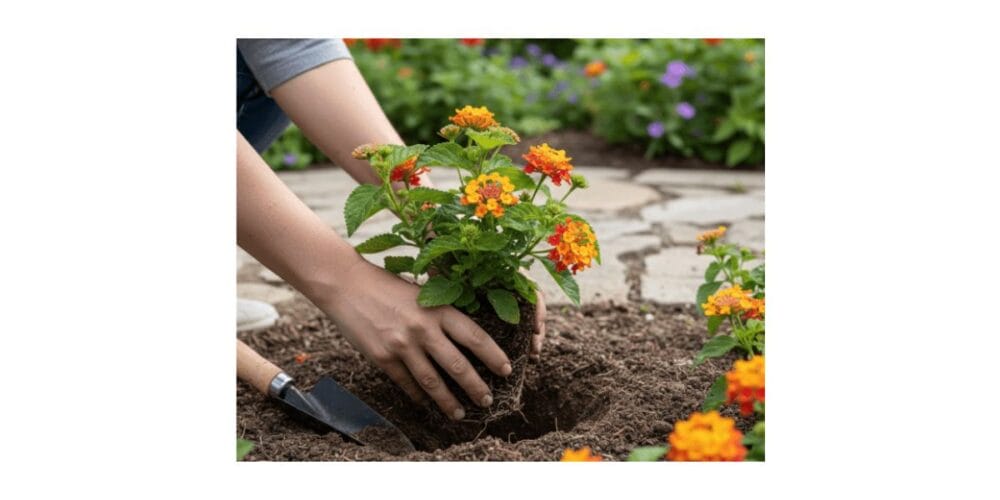
- Dig a hole twice the size of the root ball.
- Place the plant at the same depth as in the nursery pot.
- Fill with soil and press gently.
- Water thoroughly after planting.
Watering Schedule
Lantana is drought-tolerant but needs regular watering during establishment.
- Newly planted: Water 2–3 times per week.
- Established plants: Water once weekly.
- In pots: Water when the topsoil feels dry.
Avoid overwatering as it may cause root rot.
Fertilizer Management
Lantana does not require heavy fertilization. Excess nitrogen can reduce flowering and promote leaf growth.
Recommended Fertilizer Plan:
- Apply compost once every 45–60 days.
- Use a balanced NPK fertilizer (10:10:10) in small doses during the growing season.
- Avoid overfeeding.
Organic options like vermicompost and neem cake also work well.
Pruning and Maintenance
Pruning is essential to maintain shape and encourage more blooms.
When to Prune:
- Early spring (major pruning)
- Light trimming throughout the growing season
How to Prune:
- Cut back 1/3 of the plant height.
- Remove dead, leggy, or damaged branches.
- Pinch growing tips to encourage bushiness.
Regular deadheading (removal of spent flowers) promotes continuous blooming.
Pest and Disease Management
Lantana is relatively pest-resistant but may occasionally face problems.
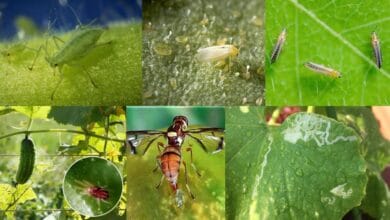
Common Pests:
- Aphids
- Whiteflies
- Spider mites
Control Measures:
- Spray neem oil solution every 10–15 days.
- Use insecticidal soap if infestation is severe.
Diseases:
- Powdery mildew
- Root rot (due to overwatering)
Ensure proper air circulation and avoid water stagnation to prevent fungal infections.
Also Read: Sunflower Cultivation: A Complete Guide for Farmers
Growing Lantana in Pots
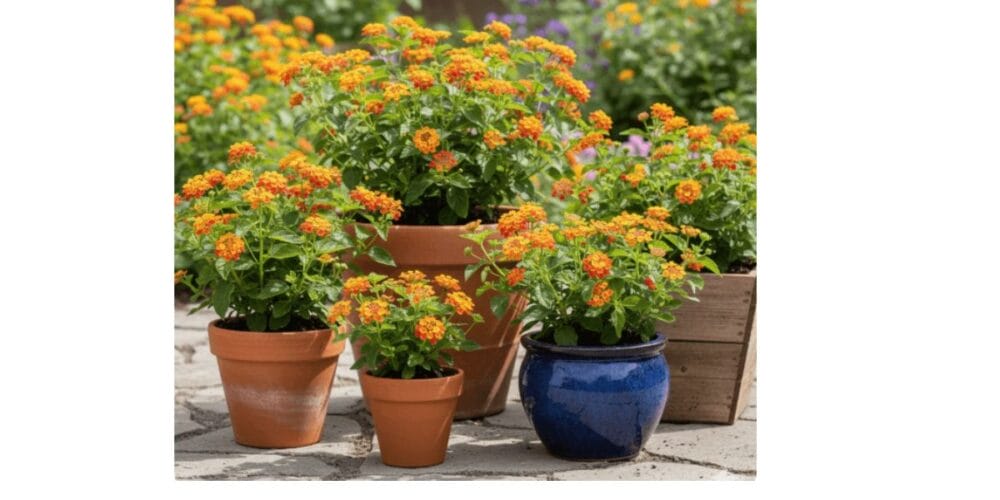
Lantana performs beautifully in containers and hanging baskets.
Tips for Container Growing:
- Use well-draining potting mix.
- Ensure proper sunlight (6–8 hours daily).
- Prune regularly to control size.
- Fertilize lightly every month.
Trailing varieties are ideal for hanging baskets, while compact types suit balcony gardens.
Flowering and Blooming Period
Lantana blooms from spring through late autumn. In warm climates, flowering may continue almost year-round.
Flower colors often change as they mature, giving a multi-colored appearance in a single flower cluster.
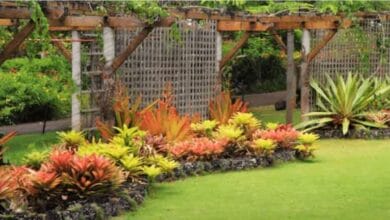
Landscape Uses
Lantana is widely used for:
- Garden borders
- Ground cover
- Butterfly gardens
- Roadside plantations
- Terrace gardens
Its tolerance to heat and poor soil makes it a popular ornamental choice.
Benefits of Growing Lantana
- Low maintenance plant
- Drought tolerant
- Long flowering duration
- Attracts pollinators
- Suitable for beginner gardeners
- Excellent ornamental value
However, note that in some regions, Lantana camara is considered invasive. Always manage growth responsibly.
Frequently Asked Questions (FAQs)
1. How much sunlight does lantana need?
Lantana requires full sun (minimum 6 hours daily) for best flowering.
2. Can lantana survive winter?
In frost-free regions, yes. In cold climates, grow it in pots and move indoors.
3. Why is my lantana not flowering?
Possible reasons:
- Too much nitrogen fertilizer
- Insufficient sunlight
- Overwatering
4. Is lantana suitable for beginners?
Yes, it is one of the easiest flowering plants to grow.
Also Read: Pansy Flowers Cultivation: A Complete Guide for Beginners
Final Thoughts
Growing lantana is simple, rewarding, and perfect for gardeners who want vibrant blooms with minimal effort. With proper sunlight, well-drained soil, light feeding, and occasional pruning, your lantana plant will bloom profusely for months.
Whether planted in garden beds, pots, or hanging baskets, lantana adds bright color and attracts beautiful butterflies to your space. Follow this guide carefully, and you will enjoy a healthy, thriving lantana plant year after year.
-

-

-
-
-
-
-

-

-
-
-
-
-

-

-

-
-
-
-
-

-
-
-
-
-
-
-
-
-
-
-
-
-
-

-
-
-
-

-

-

-

-
-

-

-

-

-

-
-
-