How to Grow Buttercups
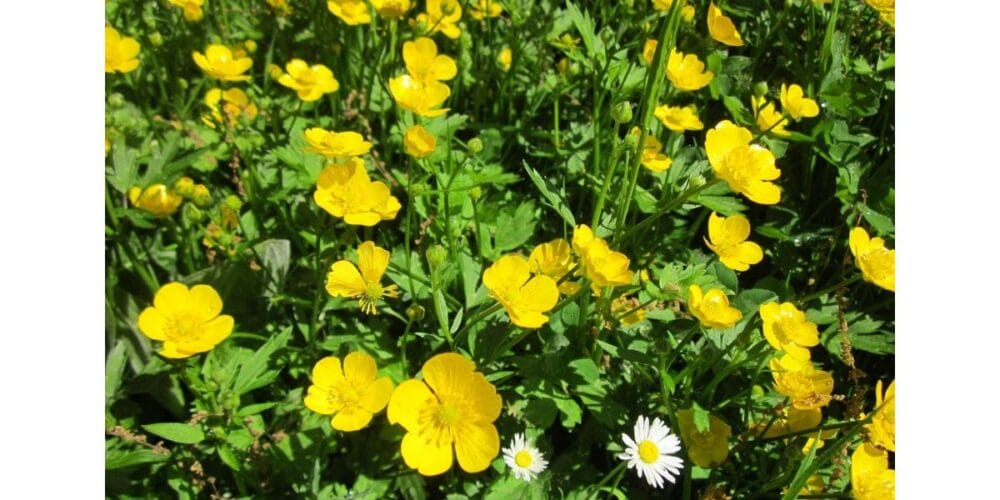
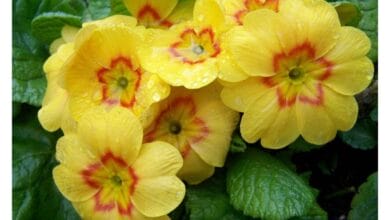
Buttercups are charming flowering plants known for their glossy, cup-shaped blooms that brighten gardens, meadows, and landscapes. Belonging to the genus Ranunculus, buttercups are easy to grow and adapt well to various climates.
Whether you are a home gardener or a flower enthusiast looking to add vibrant yellow (and sometimes pink, red, or white) flowers to your garden, this complete guide will help you successfully grow buttercups.
Introduction to Buttercups
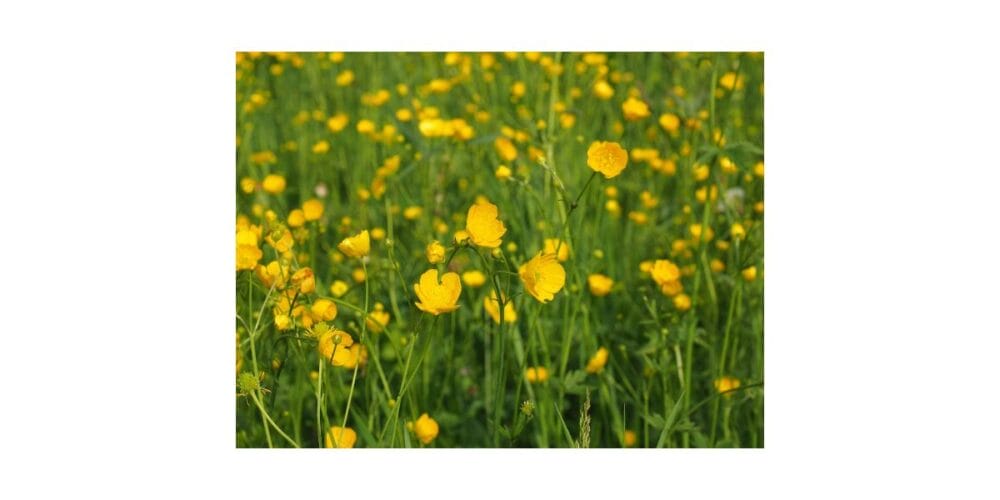
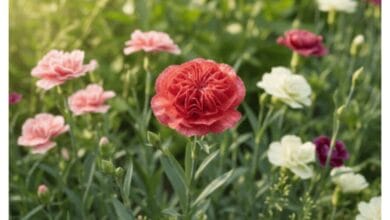
Buttercups are mostly perennial flowering plants, though some varieties are annuals. The most popular ornamental type is Ranunculus asiaticus, commonly known as Persian buttercup. It produces rose-like blooms in multiple colors and is widely used in cut flower arrangements.
These flowers thrive in cool to moderate climates and bloom in spring or early summer. With proper care and nutrient management, buttercups can produce stunning and long-lasting blooms.
Climate and Soil Requirements
Ideal Climate
Buttercups prefer:
- Cool to mild temperatures (10°C–20°C)
- Full sun to partial shade
- Well-ventilated areas
In warmer regions of India, plant buttercup tubers in late autumn to enjoy spring blooms. In cooler regions, early spring planting works well.
Soil Requirements
Buttercups grow best in:
- Well-drained loamy soil
- Slightly acidic to neutral pH (6.0–7.0)
- Organic matter-rich soil
Avoid waterlogged soil, as excess moisture can cause root rot. Before planting, mix well-decomposed compost or farmyard manure into the soil to improve fertility and drainage.
Propagation Methods
Buttercups are mainly propagated through tubers (also called corms).
Steps for Planting Tubers:
- Soak the tubers in room-temperature water for 3–4 hours before planting.
- Plant them 2–3 inches deep with the “claw” side facing downward.
- Maintain spacing of 6–8 inches between plants.
- Water lightly after planting.
Germination usually starts within 10–15 days under favorable conditions.
Watering and Irrigation Management
Buttercups require moderate watering. Follow these guidelines:
- Keep the soil moist but not soggy.
- Water once or twice a week depending on climate.
- Reduce watering once flowering begins.
- Ensure proper drainage to prevent fungal diseases.
Overwatering is one of the most common mistakes while growing buttercups.
Also Read: How to Grow Stone Flower (Kalpasi) at Home: A Complete Cultivation Guide for Beginners
Nutrient Management for Healthy Blooms

Since you regularly write about plant nutrition and micronutrient management, here’s a detailed fertilization guide you can use in your blog:
Basal Application
Before planting:
- Apply well-rotted farmyard manure (5–6 tons per acre).
- Add a balanced NPK fertilizer (10:10:10) at 40–50 kg per acre.
During Vegetative Growth
- Apply nitrogen-rich fertilizer in small split doses.
- Foliar spray of micronutrients like zinc and boron can enhance flower development.
During Flowering Stage
- Use phosphorus-rich fertilizers to promote bigger and brighter blooms.
- Potassium application improves flower quality and shelf life.
Organic growers can use vermicompost and liquid seaweed extract for better flowering performance.
Sunlight and Temperature Needs
Buttercups require at least 5–6 hours of sunlight daily. However:
- In extremely hot climates, provide afternoon shade.
- Protect plants from frost in colder regions.
The ideal growing temperature ensures strong stems and vibrant flowers.
Weed and Pest Management
Weed Control
Weeds compete for nutrients and water.
- Perform light hand weeding regularly.
- Apply organic mulch to suppress weed growth and retain soil moisture.
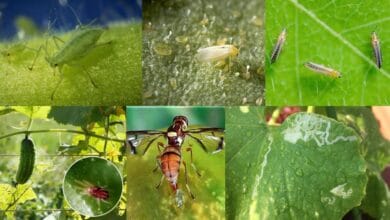
Common Pests
- Aphids
- Spider mites
- Thrips
Control measures:
- Spray neem oil solution every 10–15 days.
- Use insecticidal soap for heavy infestation.
Diseases
Buttercups may suffer from:
- Powdery mildew
- Root rot
Ensure proper spacing and avoid excess irrigation to prevent fungal problems.
Also Read: Sunflower Cultivation: A Complete Guide for Farmers
Flowering and Harvesting
Buttercups start blooming 90–120 days after planting. For cut flowers:
- Harvest when buds are partially open.
- Cut stems early in the morning.
- Place immediately in clean water.
Proper harvesting improves vase life and market value.
Growing Buttercups in Pots
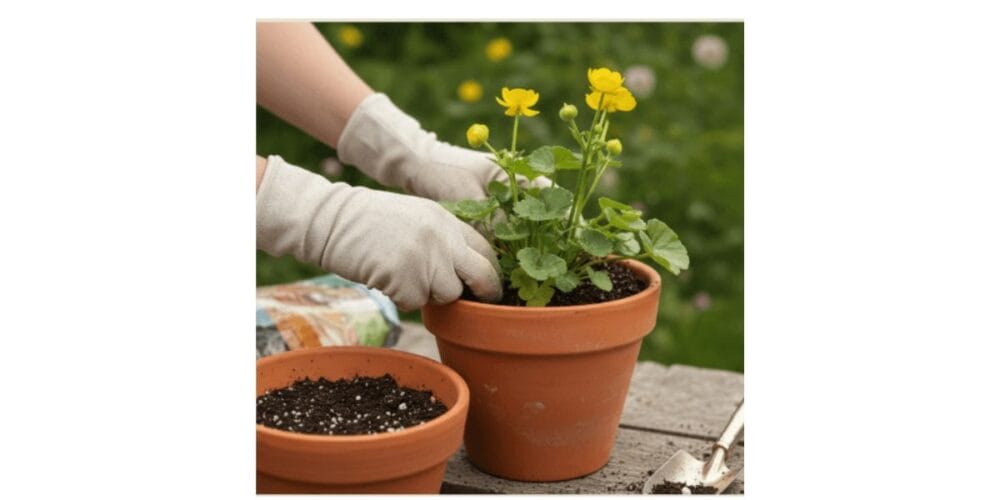
Buttercups grow well in containers too.
Pot Requirements:
- Minimum 8–10 inch depth
- Good drainage holes
- Loose, fertile potting mix
Plant 2–3 tubers per medium-sized pot for a fuller look. Container-grown buttercups require slightly more frequent feeding than ground-planted ones.
Benefits of Growing Buttercups
- Enhances garden beauty
- Attracts pollinators
- Suitable for landscaping and cut flower business
- Low maintenance plant
- Good option for seasonal commercial cultivation
For flower growers, buttercups can provide good returns due to high demand in floral arrangements and bouquets.
Recommended Crops for Intercropping
Buttercups can be grown alongside:
- Pansies
- Petunias
- Larkspur
- Sweet peas
Companion planting enhances visual appeal and optimizes garden space.
Frequently Asked Questions (FAQs)
1. How long do buttercups take to bloom?
They usually bloom within 3–4 months after planting.
2. Can buttercups grow in hot climates?
They prefer cool climates but can grow in mild winters in warmer regions.
3. Do buttercups come back every year?
Perennial varieties regrow if tubers are properly stored and replanted.
4. Are buttercups toxic?
Yes, some species contain toxic compounds and should not be consumed by pets or livestock.
Also Read: Pansy Flowers Cultivation: A Complete Guide for Beginners
Final Thoughts
Growing buttercups is simple and rewarding if you provide proper soil preparation, balanced nutrition, and careful irrigation management. With their glossy petals and cheerful colors, buttercups can transform any garden into a vibrant spring paradise.
By following correct planting techniques, nutrient schedules, and pest control measures, you can enjoy healthy plants and abundant blooms season after season. Whether for home gardening or commercial flower production, buttercups are an excellent addition to your flowering plant collection.
-

-

-
-
-
-

-

-

-
-
-
-
-

-

-

-

-
-
-
-

-
-
-
-
-
-
-
-
-
-
-
-
-
-

-
-
-
-

-
-

-

-

-
-

-

-

-

-

-
-