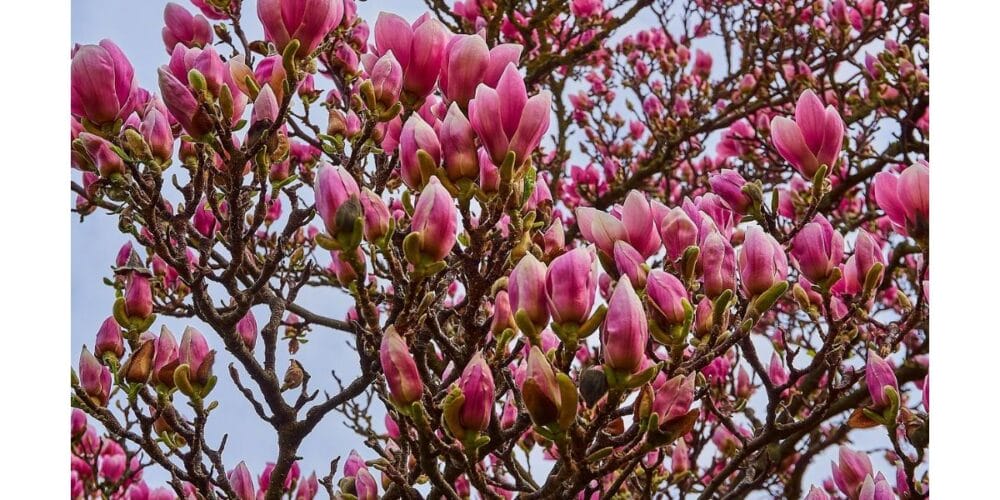
How to Grow Magnolia
Magnolia trees are among the most beautiful ornamental plants in the world, admired for their large, fragrant flowers and glossy green leaves. Belonging to the genus Magnolia, these elegant trees add charm and elegance to gardens, landscapes, and home yards. Many gardeners love them because they bloom in early spring and create a stunning visual display.
Whether you are a beginner gardener or an experienced grower, learning how to grow magnolia trees properly will help you enjoy healthy plants and abundant blooms for many years.
In this guide, we will cover everything you need to know about growing magnolia trees—from planting and soil preparation to watering, fertilizing, and maintenance.
Understanding Magnolia Trees
Magnolia trees belong to the ancient flowering plant family Magnoliaceae and are known for their large flowers that can be white, pink, purple, or yellow. They are native to parts of Asia and the Americas and thrive in warm temperate climates.
Some popular varieties include:
- Magnolia grandiflora (Southern Magnolia)
- Magnolia stellata (Star Magnolia)
- Magnolia liliflora (Lily Magnolia)
- Magnolia kobus (Kobus Magnolia)
These trees can grow from small shrubs to large trees reaching heights of 20–80 feet depending on the species.
Ideal Growing Conditions for Magnolia
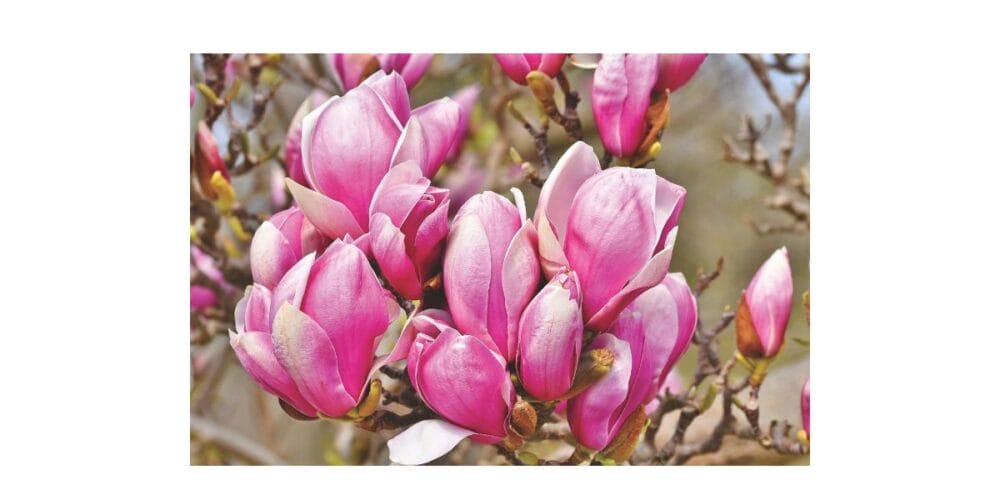
Magnolia trees grow best when planted in favorable environmental conditions.
Climate
Magnolias thrive in warm temperate and subtropical climates. They prefer moderate humidity and mild winters. Many varieties grow well in regions with cool winters and warm summers.
Sunlight
Magnolia trees prefer full sun to partial shade. Ideally, they should receive at least 6 hours of sunlight daily. In very hot climates, partial afternoon shade helps protect the leaves and flowers.
Temperature
Most magnolia species grow best at temperatures between 15°C and 30°C. Young plants should be protected from frost and extreme cold.
Also Read: Tulip Flower Cultivation: A Complete Guide for Gardeners and Growers
Soil Requirements
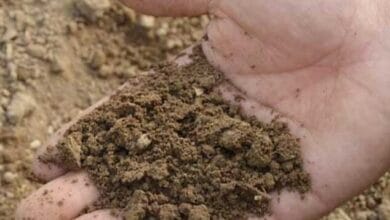
Magnolias prefer rich, moist, and well-drained soil. Slightly acidic soil with a pH of 5.5–6.5 is ideal.
Soil Preparation
Before planting magnolia trees:
- Loosen the soil to a depth of 2 feet
- Mix organic compost or well-rotted manure
- Ensure proper drainage to prevent waterlogging
Adding organic matter improves soil fertility and root development.
How to Plant Magnolia Trees
Planting magnolia correctly is essential for healthy growth.
Step-by-Step Planting Guide
- Choose the Right Location
Select a location with adequate sunlight and enough space for the tree to grow. - Prepare the Planting Hole
Dig a hole twice as wide as the root ball but not deeper than the root height. - Place the Plant
Position the magnolia tree so the root crown is level with the soil surface. - Fill the Soil
Backfill the hole with soil mixed with compost. - Water Thoroughly
Water immediately after planting to settle the soil around the roots. - Apply Mulch
Add organic mulch around the base to retain moisture and regulate soil temperature.
Watering Requirements
Magnolia trees require consistent moisture, especially during the first few years after planting.
Watering Tips
- Water deeply once or twice a week
- Keep the soil evenly moist but not waterlogged
- Reduce watering during winter dormancy
Mulching helps conserve moisture and reduce evaporation.
Fertilizer Management
Magnolias benefit from balanced fertilization to promote healthy growth and flowering.
Recommended Fertilizers
Use a balanced fertilizer such as NPK 10-10-10 or 12-12-12.
Fertilization Schedule
- Apply fertilizer in early spring before new growth begins
- Repeat application in mid-summer if necessary
Organic fertilizers like compost, bone meal, or leaf mold also improve soil health.
Pruning and Maintenance
Magnolia trees require minimal pruning, but occasional trimming helps maintain shape and remove damaged branches.
Pruning Tips
- Prune after flowering to avoid removing flower buds
- Remove dead, diseased, or crossing branches
- Avoid heavy pruning, as magnolias recover slowly
Regular maintenance ensures strong growth and better flowering.
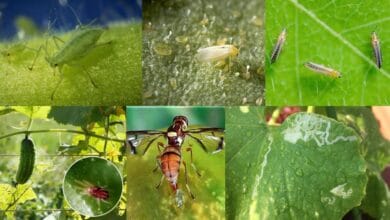
Common Pests and Diseases
Magnolia trees are generally hardy but may face some pest and disease problems.
Common Pests
- Scale insects
- Aphids
- Spider mites
Common Diseases
- Leaf spot
- Powdery mildew
- Root rot (due to poor drainage)
Proper watering, good air circulation, and healthy soil reduce most pest and disease issues.
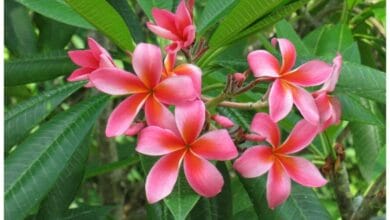
Also Read: How to Grow Plumeria (Frangipani): A Complete Growing Guide
Propagation Methods
Magnolia trees can be propagated using several methods.
1. Seeds
Seeds can be collected from mature cones and sown after stratification.
2. Cuttings
Softwood cuttings taken during summer can root successfully under controlled conditions.
3. Grafting
Grafting is commonly used in nurseries to produce improved varieties.
Benefits of Growing Magnolia
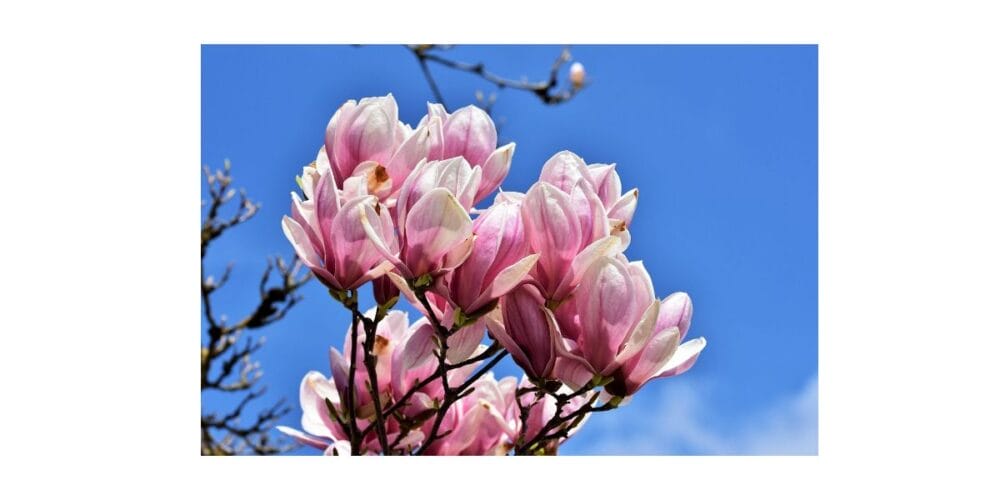
Growing magnolia trees offers several advantages:
- Produces beautiful and fragrant flowers
- Enhances landscape beauty and property value
- Provides shade and ornamental appeal
- Attracts pollinators like bees and butterflies
Magnolia trees are excellent focal points for gardens, parks, and home landscapes.
Frequently Asked Questions (FAQs)
1. How long does a magnolia tree take to bloom?
Magnolia trees usually begin flowering within 3–5 years after planting, depending on the variety and growing conditions.
2. Can magnolia trees grow in pots?
Yes, smaller varieties such as Magnolia stellata can be grown successfully in large containers.
3. Do magnolia trees require a lot of maintenance?
No, magnolia trees are relatively low-maintenance once established.
4. Why is my magnolia tree not flowering?
Common reasons include insufficient sunlight, poor soil nutrients, or young plant age.
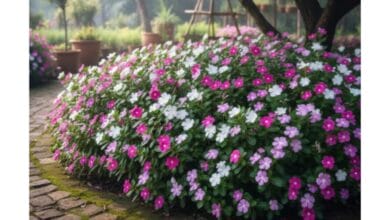
Also Read: How to Grow Periwinkle (Sadabahar) – Complete Growing Guide for Beginners
Final Thoughts
Magnolia trees are stunning ornamental plants that bring elegance, fragrance, and beauty to any garden. With proper planting, adequate sunlight, regular watering, and minimal maintenance, these trees can thrive for decades and produce spectacular blooms each year.
If you want to enhance your garden with a classic flowering tree, growing magnolia is an excellent choice. With the right care and growing conditions, your magnolia tree will become a breathtaking centerpiece in your landscape for many years to come.
-

-
-
-
-
-
-
-

-
-
-
-
-
-

-

-
-
-
-
-

-
-
-
-
-
-
-
-
-
-
-
-
-
-
-
-
-

-
-
-

-

-
-

-
-

-

-
-
-
-