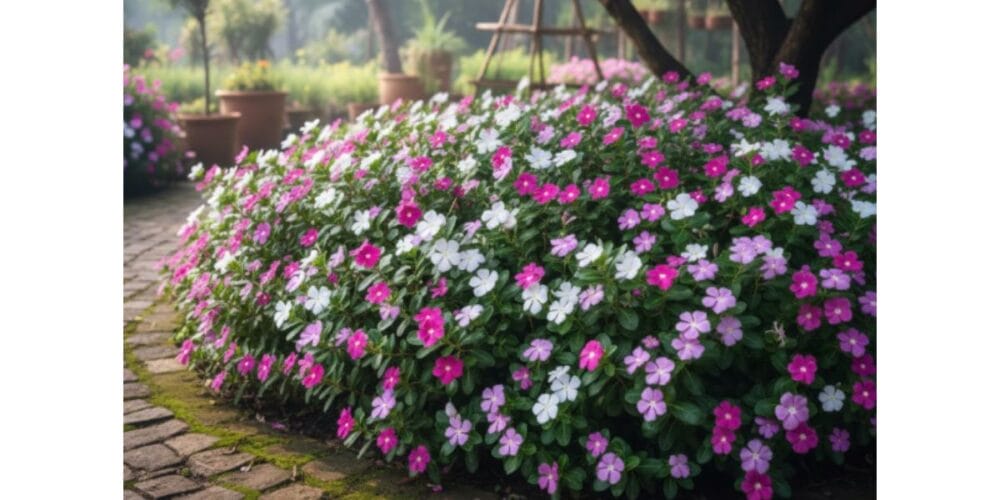
How to Grow Periwinkle (Sadabahar)
Periwinkle, commonly known as Sadabahar, is one of the easiest and most rewarding flowering plants to grow. Botanically called Catharanthus roseus, this evergreen plant produces beautiful pink, white, purple, and red flowers almost throughout the year. It thrives in hot climates, tolerates drought, and requires minimal care—making it perfect for Indian gardens, terraces, and balconies.
If you are looking for a low-maintenance flowering plant that blooms continuously, this detailed guide will help you successfully grow periwinkle at home or in your garden.
Why Grow Periwinkle?
Periwinkle is popular among gardeners for several reasons:
- Long flowering season (almost year-round in warm climates)
- Tolerates heat and drought
- Suitable for pots and ground planting
- Low fertilizer requirement
- Pest-resistant plant
- Medicinal importance in traditional systems
Because of its hardy nature, periwinkle is ideal for beginners and busy gardeners.
Climate and Soil Requirements
Climate
Periwinkle grows best in warm tropical and subtropical climates. It thrives in temperatures between 20°C to 35°C. The plant loves full sunlight but can tolerate partial shade.
Tip: More sunlight results in better flowering.
Soil
Well-drained sandy loam soil is best for periwinkle. Avoid waterlogged soil, as it can cause root rot.
Ideal Soil Mix for Pots:
- 40% garden soil
- 30% compost or vermicompost
- 20% sand
- 10% cocopeat
The soil pH should be slightly acidic to neutral (6.0–7.0).
Also Read: How to Grow Lantana: A Complete Guide to Growing Colorful and Hardy Lantana Plants
How to Propagate Periwinkle
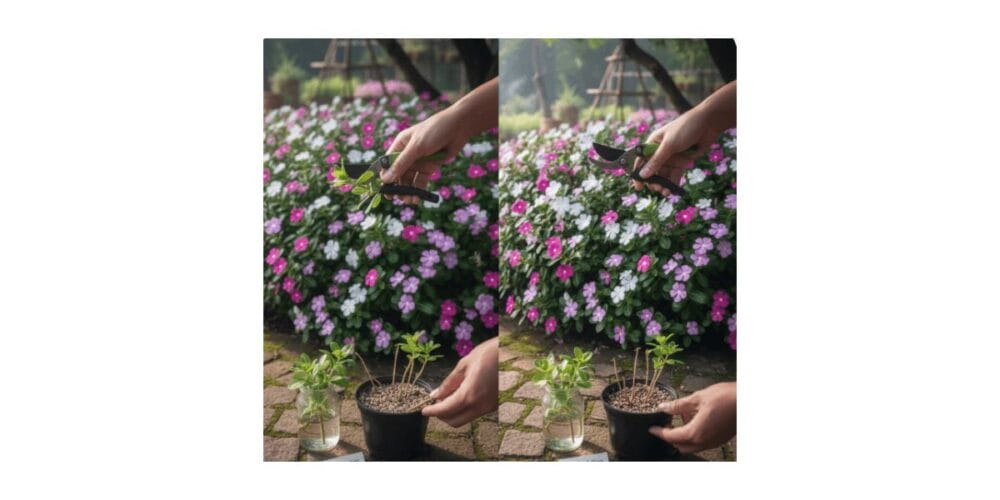
Periwinkle can be grown from seeds or stem cuttings.
1. Growing Periwinkle from Seeds
- Sow seeds during spring or early summer.
- Use seed trays or small pots.
- Sow seeds ½ inch deep in moist soil.
- Germination occurs within 7–10 days.
- Transplant seedlings when they have 3–4 true leaves.
2. Growing from Stem Cuttings
- Take a 4–5 inch healthy stem cutting.
- Remove lower leaves.
- Dip in rooting hormone (optional).
- Plant in moist soil.
- Roots develop within 2–3 weeks.
Cuttings produce flowers faster than seeds.
Planting Process
Follow these steps for healthy plant growth:
- Choose a sunny location.
- Prepare well-drained soil.
- Maintain spacing of 12–15 inches between plants.
- Water lightly after planting.
If planting in pots, use a 6–8 inch pot for one plant. Ensure proper drainage holes.
Watering Schedule
Periwinkle is drought-tolerant and does not require frequent watering.
- Water 2–3 times per week in summer.
- Reduce watering during monsoon.
- Allow soil to dry slightly between watering.
Important: Overwatering is the most common mistake. It may cause yellowing leaves and fungal diseases.
Fertilizer Management
Periwinkle does not need heavy feeding.
Recommended Fertilizer Plan:
- Apply compost once every 30–40 days.
- Use balanced NPK (10:10:10) fertilizer once in 45 days for better blooms.
- Foliar spray of micronutrients once a month improves flowering.
Excess nitrogen reduces flower production, so avoid heavy nitrogen fertilizers.
Pruning and Maintenance
Regular pruning encourages bushier growth and more flowers.
- Pinch young plants to promote branching.
- Remove dried flowers regularly.
- Trim leggy stems to maintain shape.
Pruning helps continuous blooming.
Pest and Disease Management
Periwinkle is relatively pest-resistant, but occasionally you may see:
- Aphids
- Spider mites
- Mealybugs
Control Measures:
- Spray neem oil every 15 days.
- Use mild soap solution for aphids.
- Ensure good air circulation.
Avoid water stagnation to prevent fungal infections.
Also Read: How to Grow Oleander: A Complete Cultivation Guide for Healthy Flowering Plants
Flowering and Harvesting
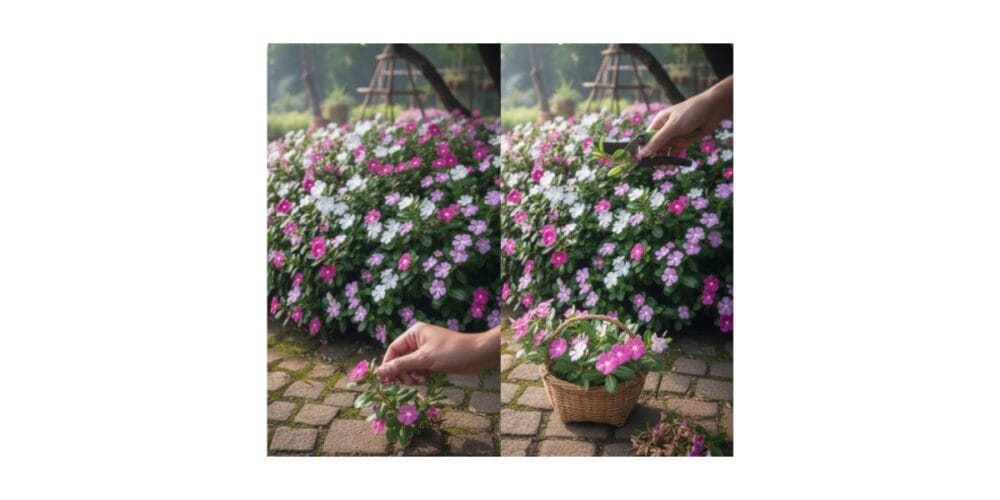
Periwinkle starts flowering within 60–70 days after planting. Flowers bloom in various colors:
- Pink
- White
- Purple
- Red
Flowers last long and continuously bloom under proper sunlight and care.
Growing Periwinkle in Pots
Periwinkle grows exceptionally well in containers.
Pot Growing Tips:
- Use minimum 6-inch pot.
- Provide full sunlight (6–7 hours daily).
- Use well-draining potting mix.
- Avoid overwatering.
It is ideal for balconies, terraces, and hanging baskets.
Benefits of Growing Periwinkle
- Decorative landscaping plant
- Excellent ground cover
- Low water requirement
- Attracts butterflies
- Used in traditional medicine
Because of its resilience, it is widely used in public gardens and roadside plantations.
Common Problems and Solutions
| Problem | Cause | Solution |
| Yellow leaves | Overwatering | Reduce watering |
| Less flowering | Low sunlight | Increase sun exposure |
| Root rot | Poor drainage | Improve soil drainage |
| Leaf spots | Fungal infection | Apply fungicide |
Frequently Asked Questions (FAQs)
1. How long does periwinkle live?
Periwinkle can live 2–3 years in warm climates and often behaves like a perennial plant.
2. Can periwinkle grow in shade?
It tolerates partial shade, but full sunlight gives better blooms.
3. Is periwinkle drought-tolerant?
Yes, it is highly drought-resistant once established.
4. Does periwinkle need daily watering?
No, overwatering harms the plant. Water only when soil feels dry.
Also Read: Pansy Flowers Cultivation: A Complete Guide for Beginners
Final Thoughts
Growing periwinkle (Sadabahar) is simple, rewarding, and ideal for both beginners and experienced gardeners. With minimal care, proper sunlight, and moderate watering, this hardy plant will reward you with vibrant flowers throughout the year.
If you want a low-maintenance flowering plant that thrives even in hot Indian summers, periwinkle is a perfect choice for your garden.
Start planting today and enjoy a garden full of colorful blooms!
-

-

-

-
-

-

-

-

-

-
-
-

-

-

-

-

-

-
-

-

-
-
-
-
-
-
-
-
-
-
-
-
-
-

-
-
-

-
-

-

-

-
-

-

-

-

-

-
-
-