How to Grow Oleander
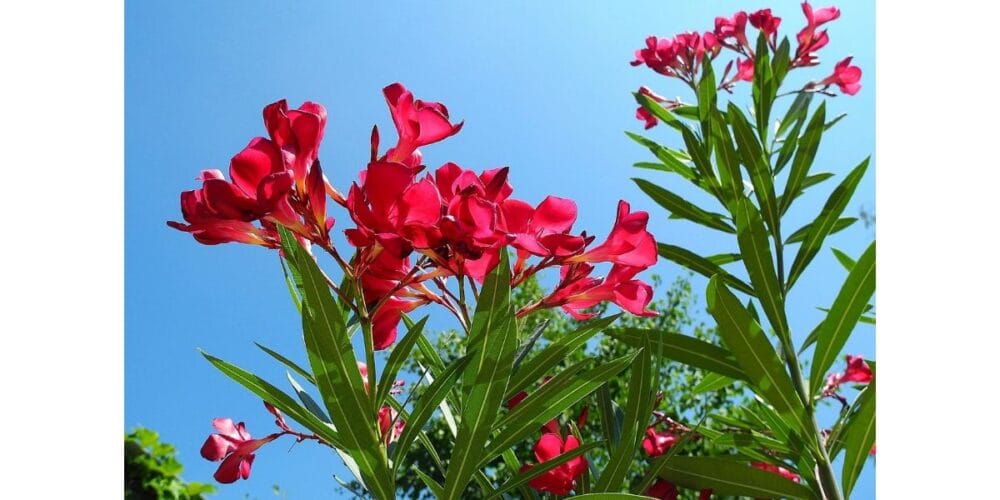
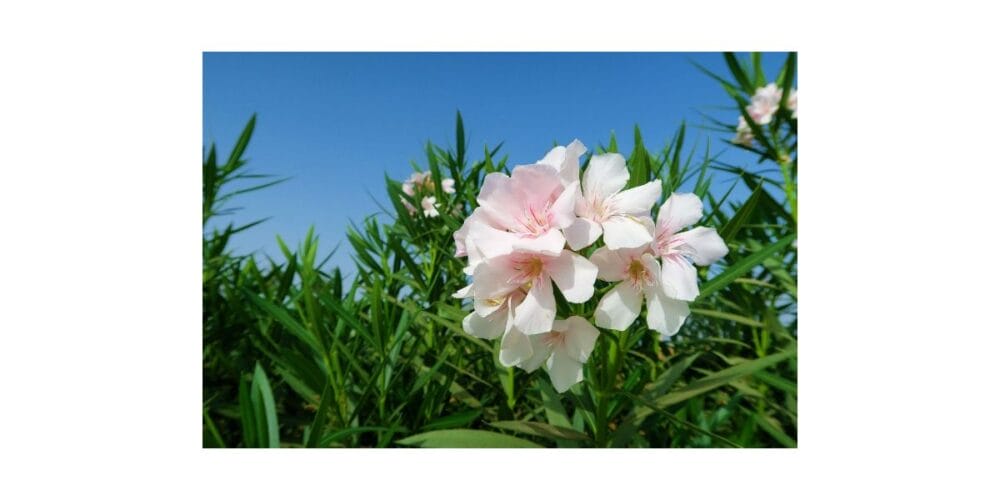
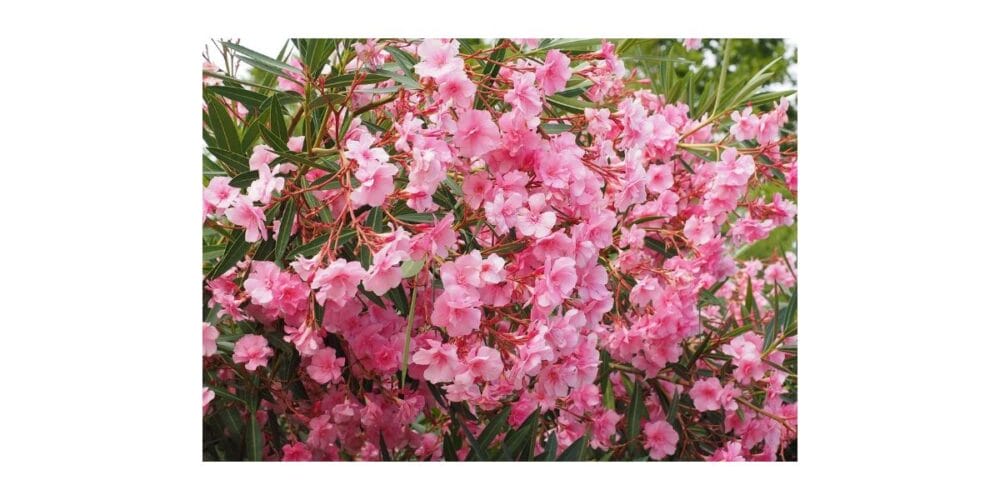
Oleander is one of the most beautiful and hardy flowering shrubs widely grown in tropical and subtropical regions. Known for its attractive pink, white, red, and yellow blossoms, Oleander is commonly used in gardens, landscapes, highways, and boundary plantations due to its drought tolerance and low maintenance nature.
If you are planning to grow Oleander successfully for ornamental purposes or commercial landscaping, this step-by-step cultivation guide will help you achieve healthy plant growth and profuse flowering.
Climate and Soil Requirements for Oleander Cultivation
Oleander thrives best in warm climatic conditions. It grows well in regions where temperatures range between 20°C to 35°C. The plant is highly tolerant to heat, drought, and even moderate salinity, making it suitable for cultivation in dry and semi-arid areas.
- Sunlight Requirement: Full sunlight is essential for maximum flowering.
- Soil Type: Well-drained sandy loam or loamy soil is ideal.
- Soil pH: 6.0 to 8.5
- Avoid waterlogged conditions as they may cause root rot.
Oleander can tolerate poor soil fertility but performs best in moderately fertile soil enriched with organic matter.
Propagation Methods of Oleander
Oleander is mainly propagated through:
1. Stem Cuttings (Most Common Method)
- Select healthy semi-hardwood cuttings of 15–20 cm length from disease-free plants.
- Remove leaves from the lower portion of the cutting.
- Dip the cut end in rooting hormone (IBA recommended).
- Plant the cutting in a nursery medium containing sand, soil, and compost (1:1:1 ratio).
- Maintain moisture until roots develop (usually within 3–4 weeks).
2. Seed Propagation
Though possible, seed propagation is not commonly practiced because it takes more time and may not produce true-to-type plants.
Land Preparation and Planting
Proper land preparation ensures good root establishment and plant growth.
- Plough the land 2–3 times to make the soil loose.
- Add well-decomposed Farmyard Manure (FYM) @ 5–7 kg per pit before planting.
- Dig pits of size 45 cm x 45 cm x 45 cm.
Spacing:
- For ornamental planting: 1.5 to 2 meters
- For hedge planting: 1 meter spacing
Plant the rooted cuttings during the early monsoon or spring season for better survival and growth.
Also Read: Marigold Farming: A Complete Guide to Profitable Flower Cultivation
Irrigation Management
Oleander is drought-tolerant but requires proper watering during initial growth stages.
- Water immediately after planting.
- Irrigate once every 5–7 days during summer.
- Reduce watering during winter.
- Avoid over-irrigation as it may lead to fungal diseases.
Once established, Oleander requires minimal watering.
Fertilizer Management
Balanced nutrition encourages lush foliage and more flowering.
- Apply FYM or compost annually during the growing season.
- Recommended fertilizer dose per plant per year:
- Nitrogen (N): 100 g
- Phosphorus (P): 50 g
- Potassium (K): 50 g
Apply fertilizers in two split doses:
- First dose during early spring
- Second dose after flowering
Foliar spray of micronutrients like Zinc and Iron can improve flowering quality.
Pruning and Training
Pruning is essential to maintain plant shape and encourage new flowering shoots.
- Remove dead, diseased, and weak branches regularly.
- Carry out major pruning after flowering season.
- Trim overgrown branches to promote bushy growth.
Proper pruning increases the number of flowering branches and improves the ornamental value of the plant.
Pest and Disease Management
Oleander is relatively resistant to pests and diseases but may occasionally be affected by:
Common Pests:
- Aphids
- Mealybugs
- Scale insects
Control Measures:
- Spray Neem oil or recommended insecticides if infestation occurs.
Diseases:
- Leaf spot
- Root rot
Preventive Measures:
- Ensure proper drainage.
- Avoid excessive watering.
- Remove infected plant parts immediately.
Flowering and Harvesting
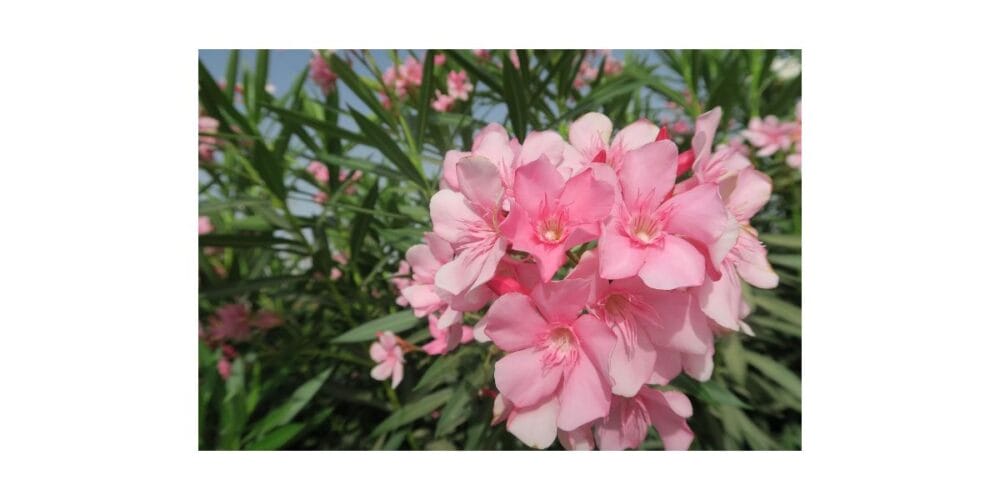
Oleander starts flowering within the first year after planting under favorable conditions.
- Peak flowering season: Spring to Summer
- Flowers are mainly used for ornamental decoration and landscaping.
Regular pruning and proper nutrient management ensure continuous blooming throughout the growing season.
Also Read: Tulip Flower Cultivation: A Complete Guide for Gardeners and Growers
Benefits of Growing Oleander
- Enhances garden and landscape beauty
- Drought-resistant ornamental plant
- Low maintenance crop
- Suitable for roadside and boundary plantations
- Helps in reducing dust and air pollution
Frequently Asked Questions (FAQs)
Q1. Is Oleander easy to grow?
Yes, Oleander is a hardy plant that requires minimal care once established.
Q2. Can Oleander grow in pots?
Yes, it grows well in large containers with proper drainage.
Q3. How long does Oleander take to flower?
It usually starts flowering within 8–12 months after planting.
Q4. Does Oleander need full sunlight?
Yes, full sunlight is necessary for better flowering.
Also Read: Lotus Flower Cultivation: A Complete Guide for Farmers and Gardeners
Final Thoughts
Oleander is an excellent choice for farmers, gardeners, and landscapers looking for a beautiful yet low-maintenance flowering shrub. With proper planting techniques, irrigation, and occasional pruning, Oleander cultivation can provide long-lasting ornamental value in gardens and public landscapes.
By following the above cultivation practices, you can successfully grow healthy Oleander plants with abundant blooms throughout the year.
Also Read: About How to Grow Oleander on https://www.thespruce.com/oleander-growing-guide-5203845 Site
-

-
-
-
-
-
-
-

-
-
-
-
-
-

-

-
-
-
-
-

-
-
-
-
-
-
-
-
-
-
-
-
-
-
-
-
-
-

-
-

-

-

-
-

-

-

-

-
-
-