What Are Stink Bugs & Why Are They Dangerous?
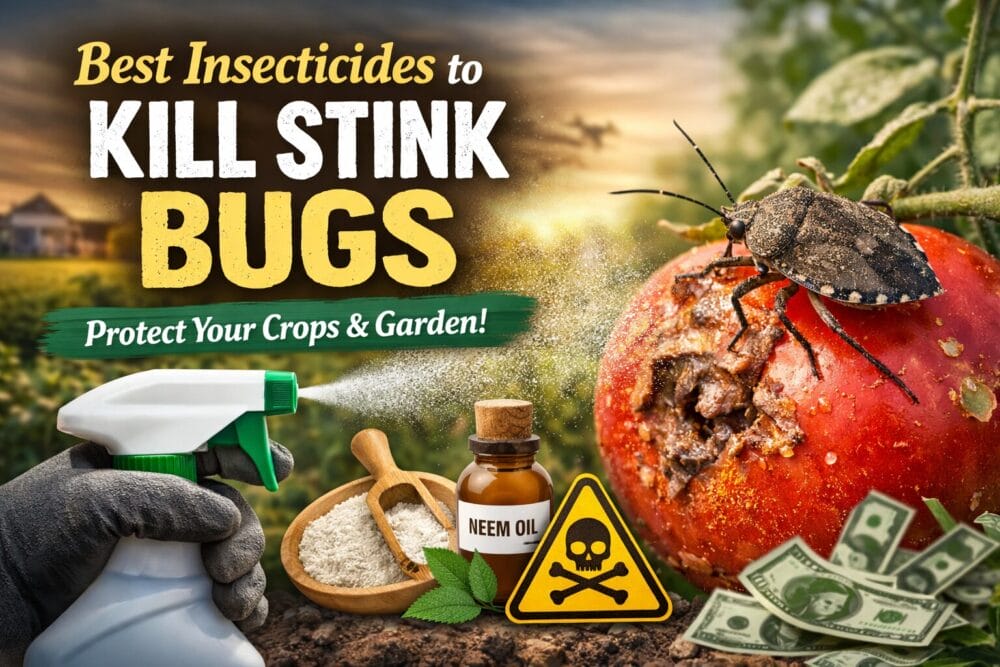
Stink bugs are sap-sucking pests that damage crops like tomatoes, soybeans, beans, and fruits. They pierce plant tissues and leave behind deformed, discolored produce.
👉 Worst part? They multiply fast and are resistant to many weak pesticides.
Why Are They Called Stink Bugs?
Stink bugs get their name from the strong, unpleasant odor they release as a defense mechanism. When these insects are disturbed, crushed, or threatened, they emit a foul-smelling chemical from special glands located in their thorax. This smell is often described as a mix of rotten vegetables, herbs, or a pungent chemical odor.
The purpose of this odor is to repel predators such as birds and lizards, helping the bug survive in the wild. Additionally, the smell can act as a warning signal to other stink bugs. Because of this distinctive “stink,” they are commonly known as stink bugs.
How Stink Bugs Affect Crops?
Stink bugs are highly destructive agricultural pests that feed by piercing plant tissues and sucking out sap. This feeding method disrupts nutrient flow, leading to poor plant development and reduced yields. Crops like tomatoes, soybeans, cotton, and fruits are especially vulnerable.
Their feeding causes internal damage that may not be visible immediately but results in unmarketable produce. Stink bugs also inject enzymes that break down plant cells, worsening the damage. In severe infestations, entire crops can suffer economic losses. Their ability to migrate and reproduce quickly makes them a persistent threat for farmers across multiple growing seasons.
Symptoms of Stink Bug Attack
Identifying stink bug damage early is crucial for crop protection. Common symptoms include small puncture marks on fruits and leaves where the bugs feed. Affected fruits often develop discolored spots, deformities, or sunken areas.
In crops like tomatoes, you may notice cloudy or whitish patches beneath the skin. Leaves can turn yellow, wilt, or show signs of stunted growth. Seeds and pods may fail to develop properly, reducing overall yield. In severe cases, fruits drop prematurely. Another sign is the presence of the bugs themselves, often hiding under leaves or along stems, especially during early morning or late evening hours.
How Much Loss Do Stink Bugs Cause?
Stink bugs cause significant economic losses in agriculture worldwide, especially in crops like soybeans, cotton, fruits, and vegetables.
In severe infestations, farmers can lose 10% to 30% of their total yield, while in extreme cases, losses may exceed 50% if not controlled in time.
For example, soybean farmers often report major quality and quantity reductions due to stink bug feeding. Fruit crops like apples, peaches, and tomatoes suffer cosmetic damage, making them unfit for sale in premium markets.
In countries like the United States, stink bugs have caused millions of dollars in crop losses annually, highlighting their serious economic impact.
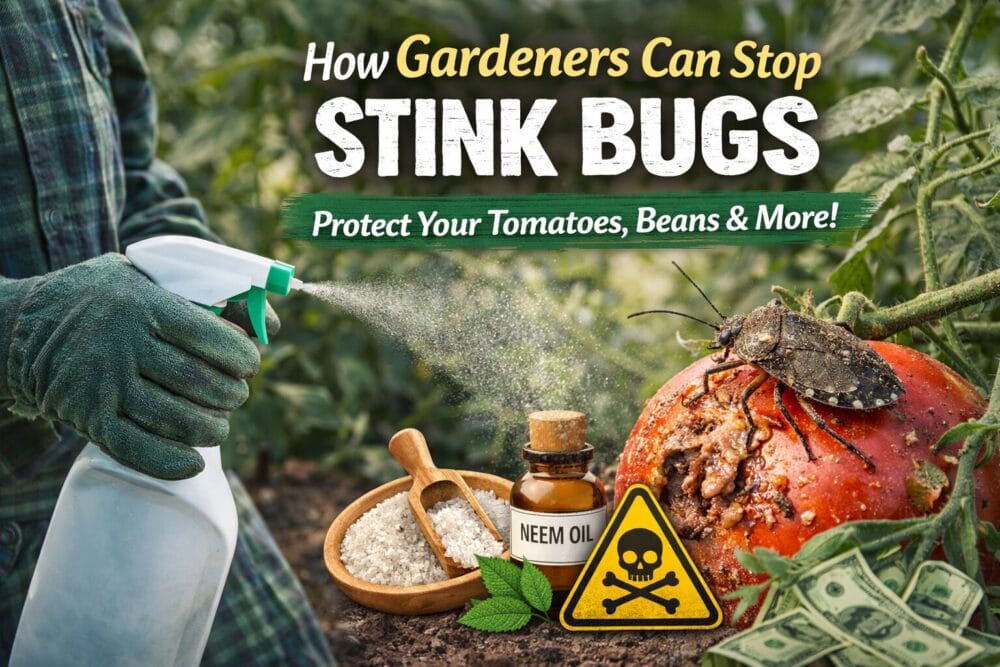
What Insecticide Kills Stink Bugs: Best Insecticides That Kill Stink Bugs
what insecticide kills stink bugs
1. Pyrethroid-Based Insecticides (Fast-Acting Killer)
These are among the most effective chemical options.
- Examples: Bifenthrin, Cypermethrin, Deltamethrin
- Action: Attacks nervous system → instant knockdown
- Best for: Heavy infestations
✅ Pro Tip: Spray in early morning or evening for best results.
Spray at the evening time is better for getting excellent result. Also add the neem oil to longer the effectiveness of Pyrethroid Insecticide.
2. Neem Oil (Natural & Safe Option)
A favorite among organic farmers.
- Disrupts feeding and reproduction
- Safe for plants and humans
- Works best on young stink bugs
🌿 Ideal for kitchen gardens and small farms.
10K PPM Neem oil you can use at the rate of 1 ml/ lit of spray water. Below 10k PPM Neem Oil, the dose is lower like 2 ml per liter of spray water. The neem oil the farmers can mix with other insecticide.
3. Insecticidal Soap (Budget-Friendly Solution)
Perfect for mild infestations.
- Breaks down insect outer layer
- Kills on contact
- Eco-friendly
💡 Works best when sprayed directly on bugs.
Generally, if the crops are attacked and invested with less severity, the lower concentration of Insecticidal soap is giving the excellent results. Also, neem oil can longer it’s effectiveness.
4. Diatomaceous Earth (Long-Term Protection)
A natural powder that dehydrates insects.
- Non-toxic
- Effective barrier control
- Best used around plant base
⚠️ Avoid using during rainy weather.
5. Spinosad-Based Insecticides
Derived from natural soil bacteria.
- Affects nervous system
- Effective against nymphs
- Safe for organic farming
6. Kaolin Clay (Preventive Control)
Not a killer, but very effective.
- Creates protective coating on plants
- Prevents stink bugs from feeding
7. Carbamate Insecticides (Strong Chemical Control)
Used in severe outbreaks.
- Fast knockdown
- Long residual effect
⚠️ Use carefully—can affect beneficial insects.
8. Organophosphate Insecticides (High Potency)
Highly effective but restricted in many areas.
- Immediate kill
- Used in large-scale farming
⚠️ Requires expert handling.
Natural vs Chemical: Which One Should You Choose?
| Type | Best For | Speed | Safety |
|---|---|---|---|
| Natural | Small gardens | Moderate | Very safe |
| Chemical | Large infestations | Fast | Use carefully |
👉 Best Strategy: Combine both methods for maximum control.
Pro Tips to Maximize Effectiveness
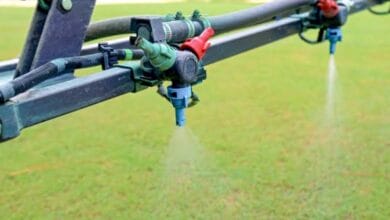
- Spray directly on stink bugs (contact is key)
- Repeat application every 5–7 days
- Remove weeds and hiding spots
- Use trap crops like sunflower
- Monitor early to prevent spread
FAQs: About Stink Bug Insecticides
1. What Insecticide kills stink bugs instantly?
Pyrethroid insecticides like bifenthrin and cypermethrin provide the fastest results.
2. Is neem oil effective against stink bugs?
Yes, neem oil disrupts their life cycle but works slower than chemical options.
3. Can I use home remedies to kill stink bugs?
Yes, soapy water sprays and garlic solutions can help, but they are less powerful.
4. When is the best time to spray insecticide?
Early morning or evening when stink bugs are most active.
5. Are stink bugs harmful to humans?
No, they don’t bite or sting, but they damage crops significantly.
6. Can Stink Bugs Bite?
No—stink bugs generally do not bite humans. They are not aggressive and don’t have biting mouthparts designed for attacking people. Instead, they use a piercing-sucking mouthpart to feed on plants like fruits, vegetables, and crops.
However, in rare cases, if a stink bug feels threatened or is handled, it may attempt to poke with its mouthpart, which can feel like a mild pinprick. This is uncommon and usually harmless, causing little to no irritation.
👉 The real problem isn’t bites—it’s the damage they cause to crops and the unpleasant smell they release when disturbed.
7. Can Stink Bugs Fly?
Yes, stink bugs can fly—and quite efficiently. They have fully developed wings and are capable of traveling long distances, especially during warm seasons.
These insects typically fly when:
- Searching for food (crops, fruits, vegetables)
- Looking for mates
- Moving to shelter during colder months (often entering homes)
You might notice them flying more actively in late summer and autumn when they migrate toward buildings for warmth.
👉 Their flight is often slow and noisy, producing a noticeable buzzing sound, which makes them easy to spot. Despite this, their ability to fly helps them spread quickly across farms and gardens, making control more challenging.
Final Thoughts
If stink bugs are destroying your crops, don’t wait. Start with fast-acting pyrethroids for immediate control, then maintain protection with neem oil or natural solutions.
The key is early detection + consistent spraying.
Also Read: Bayer Lesenta Insecticide: A Complete Guide for Farmers
Also Read: 14 VEGETABLES TO PLANT IN SUMMER GARDENS
-

-

-
-
-
-
-

-
-
-
-
-
-

-

-

-
-

-

-

-

-
-
-

-

-

-

-

-

-

-
-

-

-
-

-

-

-
-

-
-

-

-

-
-

-

-

-

-

-
-