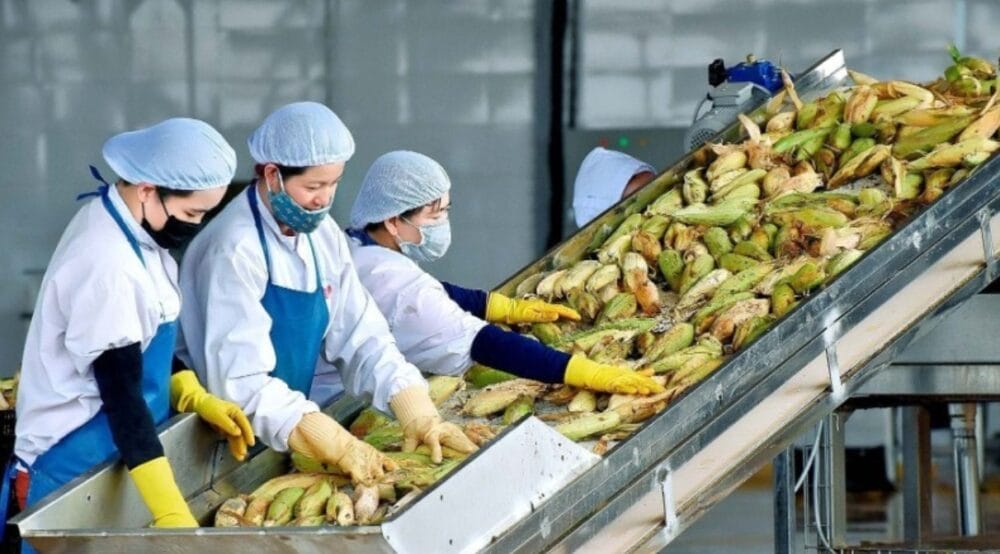
HÀ NỘI, March 13: Authorities in Viet Nam are preparing proactive scenarios to safeguard agricultural exports amid rising global uncertainties and geopolitical tensions, particularly the ongoing conflict in the Middle East.
According to the country’s Ministry of Agriculture and Environment, exports of agricultural, forestry and fishery products reached US$11.3 billion in the first two months of 2026, marking a 17.1% increase year-on-year. However, officials warned that geopolitical instability and disruptions in global trade routes could pose risks to export growth in the coming months.
Tran Gia Long, Deputy Director of the Planning and Finance Department, said export turnover in February 2026 was estimated at US$4.71 billion, down 28.4% from the previous month but still 1.9% higher than the same period last year. The decline compared to January reflects seasonal fluctuations and market adjustments.
Authorities noted that geopolitical tensions could increase logistics costs, disrupt supply chains and reduce global demand, potentially affecting the competitiveness of major Vietnamese export products such as seafood, timber and processed agricultural goods.
Also Read: Aries HD NPK Fertilizer
To mitigate these risks, the ministry is working on contingency plans that include diversifying export markets, strengthening logistics management and improving supply chain resilience. Officials also emphasised the need to enhance institutional reforms, promote scientific and technological innovation, accelerate digital transformation and expand access to new markets.
Experts believe that coordinated policies and proactive planning will help maintain the growth momentum of Viet Nam’s agricultural sector while ensuring long-term sustainability. The government expects that stronger risk management and market diversification will help the country’s agro-exports remain resilient despite global economic and geopolitical challenges.
The measures are aimed at protecting one of Viet Nam’s key economic sectors, which plays a crucial role in supporting rural livelihoods and boosting national export revenues.
Also Read: agro news
-

-

-

-

-

-

-

-

-
-
-

-
-
-
-
-

-

-

-
-

-

-

-

-

-

-

-

-

-

-

-

-

-
-

-

-

-

-

-
-

-

-

-

-

-

-
-
-

-

-