How to Cultivate Avocado Tree
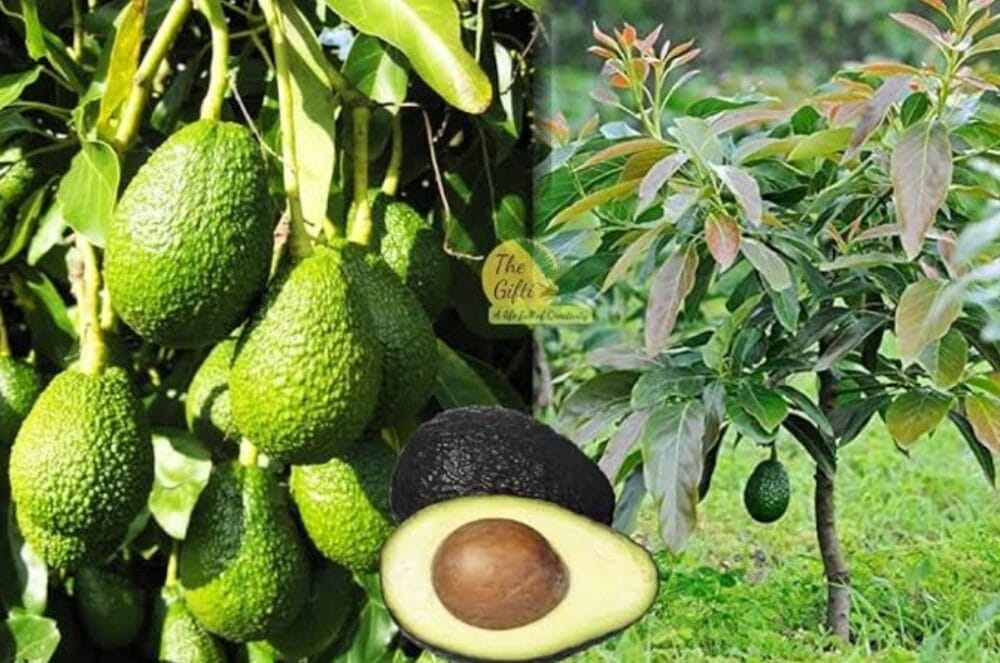
Avocado (Persea americana) is a high-value fruit crop known for its rich nutritional profile and increasing global demand. With proper care and suitable climatic conditions, avocado trees can be successfully cultivated in home gardens as well as commercial orchards.
This guide explains step-by-step how to cultivate avocado trees, from climate requirements to harvesting.
1. Climate and Soil Requirements
Avocado trees grow best in warm, subtropical to tropical climates. The ideal temperature range is 15°C to 30°C. Young trees are sensitive to frost, while mature trees can tolerate mild cold but may suffer damage below 0°C.
The soil should be:
- Well-drained
- Loamy or sandy loam
- pH range of 5.5 to 7.0
Avoid waterlogged or heavy clay soils, as avocados are highly susceptible to root rot.
2. Choosing the Right Avocado Variety
Selecting the correct variety is crucial for successful cultivation. Common avocado varieties include:
- Hass – High market demand, creamy flesh
- Fuerte – Cold tolerant, good yield
- Bacon – Early fruiting variety
- Reed – Large fruits, excellent taste
Some avocado trees are Type A (morning flowering) and others Type B (afternoon flowering). Planting both types improves pollination and fruit yield.
3. Propagation Methods
Avocado trees can be propagated by:
- Seed propagation – Easy but slow and unpredictable fruit quality
- Grafting – Preferred commercial method for early fruiting and true-to-type plants
Grafted plants begin bearing fruits in 3–4 years, whereas seed-grown trees may take 7–10 years.
4. Land Preparation and Planting
Prepare the land by removing weeds and loosening the soil. Dig pits of 60 cm × 60 cm × 60 cm and fill them with a mixture of topsoil, compost, and well-rotted farmyard manure.
Spacing:
- Standard spacing: 7 m × 7 m
- High-density planting: 5 m × 5 m (with proper pruning)
Plant saplings during the monsoon season or spring, ensuring the graft union remains above soil level.
5. Irrigation Management
Avocado trees require regular but controlled watering.
- Young plants: Water 2–3 times per week
- Mature trees: Irrigate every 7–10 days depending on climate
Drip irrigation is ideal, as it maintains soil moisture without causing waterlogging. Mulching around the base helps retain moisture and control weeds.
6. Nutrient and Fertilizer Management
Proper nutrition is essential for healthy growth and fruiting.
- Apply organic manure twice a year
- Use NPK fertilizers based on tree age
- Micronutrients like zinc, boron, and magnesium improve fruit quality
A soil test is recommended to determine precise nutrient requirements.
Also Read:Top 8 Micronutrient Fertilizers: Importance, Types, Benefits, and Application
7. Pruning and Training
Pruning helps shape the tree, improve air circulation, and increase yield.
- Remove dead, diseased, and crossing branches
- Light pruning after harvest is sufficient
- Avoid heavy pruning, as avocado trees are sensitive
Training young trees to a central leader system helps develop a strong structure.
8. Pest and Disease Management
Common pests include:
- Thrips
- Mites
- Fruit flies
Common diseases:
- Root rot (Phytophthora)
- Anthracnose
Use integrated pest management (IPM) practices such as proper drainage, resistant rootstocks, neem-based sprays, and timely fungicide application when needed.
Also Read:Understanding Coragen Insecticide: A Reliable Solution for Pest Management
9. Flowering, Fruiting, and Harvesting
Avocado trees usually flower in spring. Fruits take 6–12 months to mature depending on variety.
Harvesting signs include:
- Fruit size according to variety
- Skin color change
- Dry matter content
Avocados do not ripen on the tree; they ripen after harvest. Handle fruits carefully to avoid bruising.
10. Yield and Economic Benefits
A mature avocado tree can yield 150–300 fruits per year. With rising demand in domestic and export markets, avocado cultivation offers excellent income potential for farmers.
Frequently Asked Questions (FAQ)
Q1. How long does an avocado tree take to bear fruit?
Grafted avocado trees start bearing fruits in 3–4 years, while seed-grown trees may take 7–10 years.
Q2. Can avocado trees be grown in pots?
Yes, dwarf varieties can be grown in large containers, but yield may be limited.
Q3. How often should avocado trees be watered?
Young trees need frequent watering, while mature trees require irrigation every 7–10 days.
Q4. Do avocado trees need full sunlight?
Yes, avocado trees require at least 6–8 hours of direct sunlight daily.
Q5. Why is my avocado tree flowering but not fruiting?
Poor pollination, nutrient deficiency, or extreme temperatures may cause flower drop.
Q6. Is avocado cultivation profitable?
Yes, with proper management and market access, avocado farming is highly profitable.
Conclusion
Cultivating avocado trees requires patience, proper planning, and regular care. By selecting suitable varieties, maintaining proper irrigation and nutrition, and managing pests effectively, growers can enjoy high-quality yields and long-term profitability.
Whether for home gardening or commercial farming, avocado cultivation is a rewarding agricultural venture.
Also Read:Amazing 9 Health Benefits of Tulsi Tea