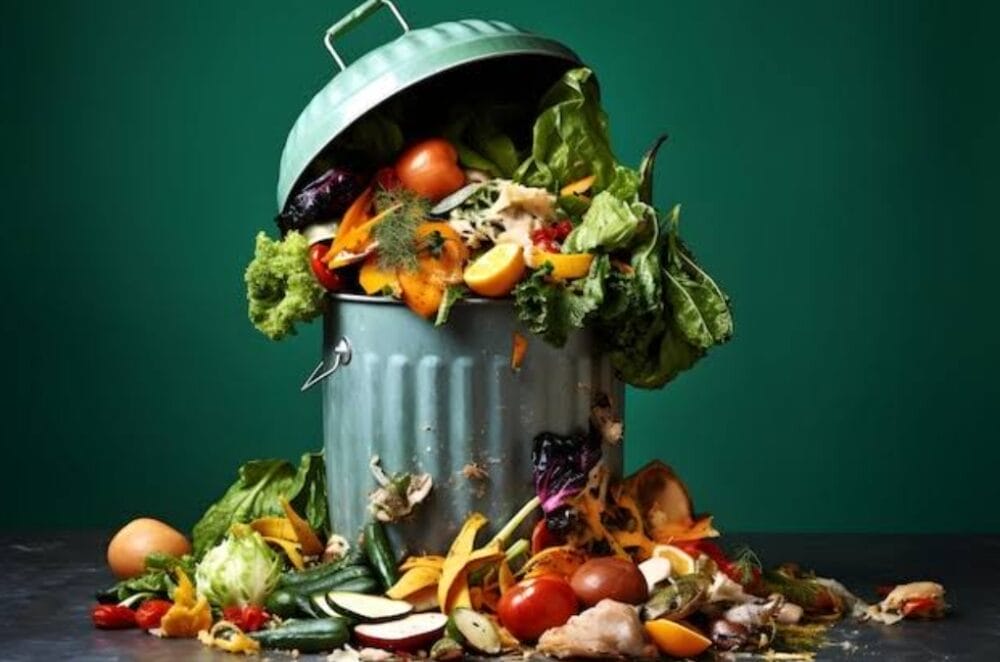
Compost Fertilizer from Kitchen Waste
With rising fertilizer costs and growing concern for the environment, composting kitchen waste has become one of the simplest and most effective ways to create natural fertilizer at home. Compost fertiliser not only reduces household waste but also improves soil health, increases crop yield, and promotes sustainable gardening.
Whether you have a home garden, terrace plants, or a small farm, compost made from kitchen waste is an eco-friendly solution that anyone can adopt.
Table of Contents
What Is Compost Fertilizer?
Compost fertilizer is organic manure produced by decomposing biodegradable waste such as vegetable peels, fruit scraps, leftover food, dry leaves, and garden waste. Microorganisms break down these materials into nutrient-rich humus that enhances soil fertility. Unlike chemical fertilizers, compost releases nutrients slowly and improves soil structure over time.
Benefits of Composting Kitchen Waste
- Reduces household waste sent to landfills
- Improves soil fertility and microbial activity
- Enhances water retention in soil
- Reduces dependence on chemical fertilizers
- Cost-effective and eco-friendly
- Promotes healthy plant growth
Materials Needed for Composting
To start composting at home, you will need:
- Kitchen waste (vegetable peels, fruit scraps, tea leaves, coffee grounds)
- Dry materials (dry leaves, sawdust, shredded newspaper, cardboard)
- Compost bin or container (plastic, clay, or metal with holes)
- Soil or old compost
- Water
- A stick or tool for turning

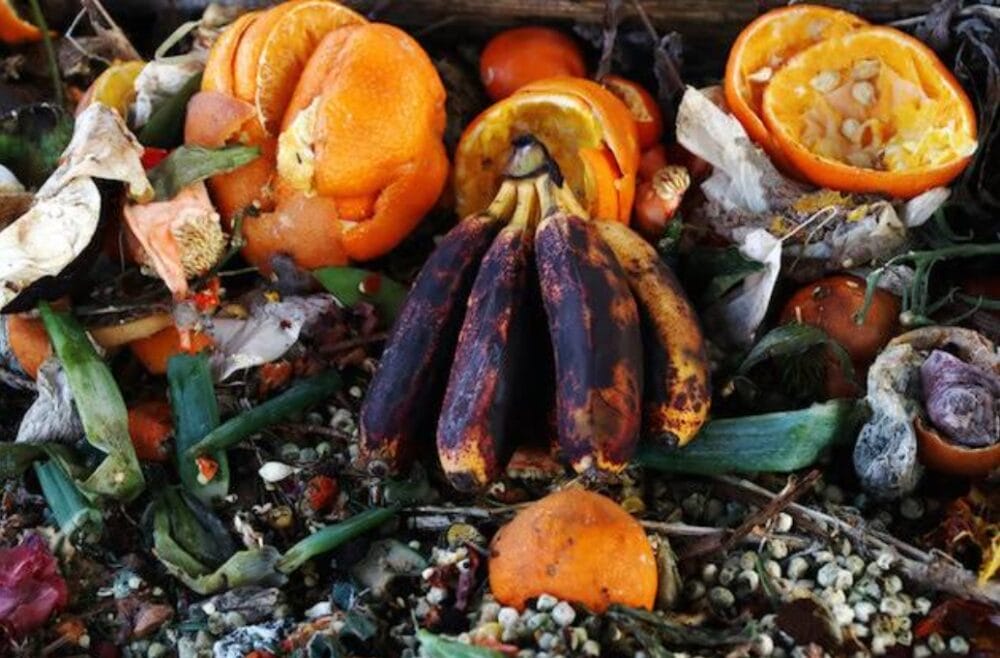
Kitchen Waste Suitable for Composting
Green (wet) waste:
- Vegetable and fruit peels
- Leftover cooked food (small quantities)
- Tea leaves and coffee grounds
- Eggshells (crushed)
Brown (dry) waste:
- Dry leaves
- Paper and cardboard (shredded)
- Coconut husk
- Sawdust or straw
Avoid adding:
- Meat and fish waste
- Dairy products
- Oily or spicy food
- Plastic, glass, or metal
Step-by-Step Process to Make Compost Fertilizer
Step 1: Choose a Composting Method
You can compost using:
- Compost bin method (best for homes and apartments)
- Pit method (suitable for gardens and farms)
- Terrace composting (using buckets or pots)
Also Read:Top 10 Advantages of Biological Fertilizer
Step 2: Prepare the Compost Bin
Drill small holes in the bin for aeration. Place the bin in a shaded area with good airflow.
Step 3: Add a Base Layer
Add a layer of dry waste such as leaves or shredded paper at the bottom. This helps absorb moisture and prevents bad odor.
Step 4: Add Kitchen Waste
Add chopped kitchen waste in thin layers. Smaller pieces decompose faster.
Step 5: Add Soil or Old Compost
Sprinkle a thin layer of soil or old compost over the kitchen waste. This introduces beneficial microorganisms.
Step 6: Maintain Moisture
Sprinkle water if the compost looks dry. The compost should be moist, not wet.
Step 7: Turn the Compost
Mix or turn the compost once every 7–10 days to allow oxygen flow and speed up decomposition.
Step 8: Decomposition Process
Within 30–60 days, the waste begins to break down. Full compost usually forms in 60–90 days depending on temperature and materials used.
How to Know Compost Is Ready
Finished compost:
- Has a dark brown or black color
- Smells earthy, not foul
- Has a crumbly texture
- No visible food scraps remain
How to Use Compost Fertilizer
- Mix compost with garden soil before planting
- Apply around plant roots as top dressing
- Use in pots and terrace gardens
- Prepare compost tea by soaking compost in water for liquid fertilizer
Common Composting Problems and Solutions
- Bad smell: Too much wet waste; add dry materials
- Slow decomposition: Chop waste smaller and turn regularly
- Insects: Cover food waste with soil or dry leaves
- Too wet: Improve drainage and add brown waste
Also Read:How to Make Liquid Fertilizer from Kitchen Waste: A Complete Organic Guide
Composting and Sustainable Living
Composting kitchen waste supports a circular economy where waste becomes a valuable resource. It reduces greenhouse gas emissions, improves soil carbon content, and supports organic farming. By composting at home, you contribute to environmental protection while producing free fertilizer for your plants.
Frequently Asked Questions (FAQ)
1. How long does it take to make compost from kitchen waste?
Compost is usually ready in 60–90 days, depending on waste type, temperature, and turning frequency.
2. Can I compost cooked food?
Yes, but only in small quantities. Avoid oily, spicy, and non-vegetarian food.
3. Does composting smell bad?
No. Proper composting smells earthy. Bad odor indicates excess moisture or lack of air.
4. Can compost be used for all plants?
Yes, compost is suitable for vegetables, fruits, flowers, trees, and indoor plants.
5. Do I need earthworms for composting?
Earthworms help in vermicomposting but are not mandatory for regular composting.
6. How often should I turn compost?
Turning once every 7–10 days is ideal for faster decomposition.
7. Can compost replace chemical fertilizers completely?
For home gardens and organic farming, compost can largely replace chemical fertilizers.
8. What is the best container for composting at home?
Plastic bins, earthen pots, or wooden boxes with ventilation holes work well.
Also Read:Top 10 Corn health benefits
-

-

-
-
-
-

-

-

-
-
-
-
-

-

-

-

-

-

-

-

-

-

-

-

-

-

-

-

-

-

-

-

-

-

-

-

-

-

-

-

-

-

-

-

-
-

-

-

-

-