How to Plant, Grow, and Harvest Organic Arugula
Arugula, also known as rocket, is a fast-growing leafy green loved for its peppery flavor and nutritional value. Whether you are a beginner gardener or an experienced grower, arugula is one of the easiest crops to grow organically at home. It thrives in cool weather, matures quickly, and can be harvested multiple times in a season. In this guide, you will learn how to plant, grow, and harvest organic arugula successfully in your kitchen garden or containers.
Table of Contents
Why Grow Organic Arugula?
Growing arugula organically ensures that your greens are free from harmful chemical residues. Organic arugula is rich in vitamins A, C, and K, antioxidants, and minerals like calcium and potassium. Homegrown arugula tastes fresher and more flavorful than store-bought varieties and can be harvested just minutes before use, preserving its nutrients and crunch.
Choosing the Right Variety
Before planting, select a variety suited to your climate and taste preference. Common arugula varieties include:
- Astro: Mild flavor, ideal for salads
- Rocket (Roquette): Traditional variety with a strong peppery taste
- Wild Arugula: Narrow leaves and intense flavor, slower growing
For organic gardening, always choose certified organic seeds to ensure healthy, chemical-free plants from the start.
When and Where to Plant Arugula
Arugula grows best in cool temperatures between 10°C and 20°C. It can be grown during early spring, autumn, and mild winters.
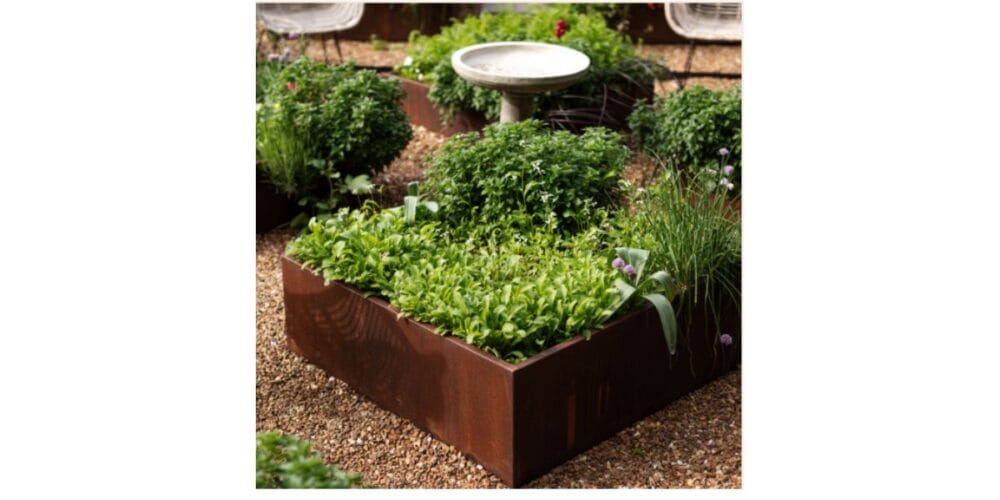
Choose a location that receives 4–6 hours of sunlight daily. In warmer regions, partial shade helps prevent the plants from bolting too quickly. Arugula grows well in garden beds, raised beds, and containers, making it perfect for small spaces and balconies.
Also Read: How to Start a Cut Flower Garden for Beginners
Soil Preparation for Organic Arugula
Healthy soil is the foundation of organic gardening. Arugula prefers loose, well-draining soil rich in organic matter. Prepare the soil by:
- Loosening it to a depth of 15–20 cm
- Mixing in well-rotted compost or vermicompost
- Ensuring a soil pH between 6.0 and 7.0
Avoid using synthetic fertilizers. Organic compost provides slow-release nutrients that support steady leaf growth.
How to Plant Arugula Seeds
Arugula is best grown directly from seeds, as it does not transplant well.
- Sow seeds about 0.5 cm deep in the soil.
- Space rows 15–20 cm apart.
- Lightly cover seeds with soil and water gently.
- Seeds usually germinate within 4–7 days.
For continuous harvests, practice succession planting by sowing new seeds every 2–3 weeks.
Watering and Mulching
Consistent moisture is essential for tender, flavorful leaves. Water arugula regularly to keep the soil evenly moist but not waterlogged. Inconsistent watering can cause bitter-tasting leaves.
Applying organic mulch such as straw, dried leaves, or grass clippings helps retain soil moisture, regulate temperature, and suppress weeds naturally.
Organic Care and Maintenance
Arugula is relatively low-maintenance, but a few organic practices can improve yields:
- Thinning: Once seedlings are 5–7 cm tall, thin them to 8–10 cm apart. Thinned seedlings can be used as microgreens.
- Weeding: Remove weeds regularly to prevent competition for nutrients.
- Organic Feeding: If growth seems slow, apply diluted compost tea or liquid seaweed for a gentle nutrient boost.
Managing Pests Naturally
Common pests that affect arugula include flea beetles, aphids, and caterpillars. Organic pest control methods include:
- Covering plants with insect netting or row covers
- Spraying neem oil or garlic-chili spray
- Encouraging beneficial insects like ladybugs
Healthy soil and proper spacing also reduce pest problems naturally.
Also Read: The Only Supplies You Really Need to Grow Microgreens at Home
When and How to Harvest Arugula
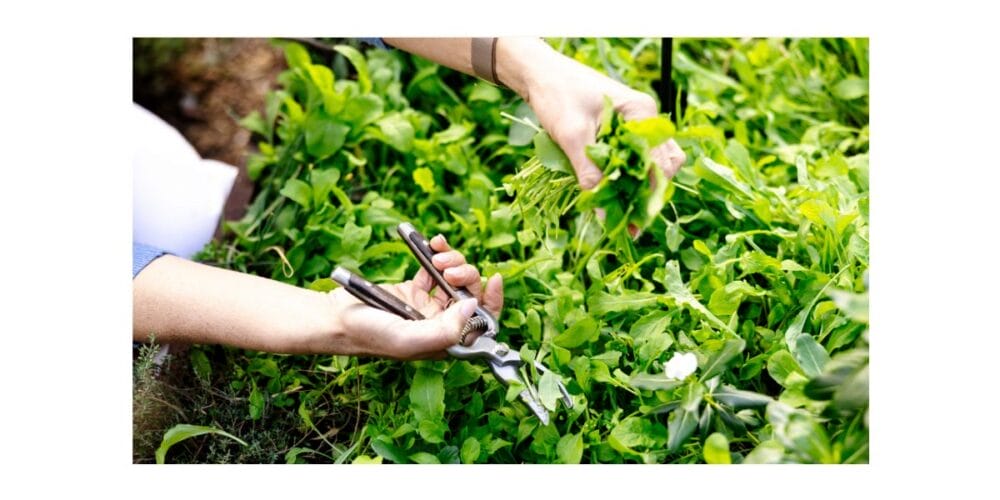
Arugula is ready to harvest in as little as 20–30 days after planting. You can harvest at different stages depending on your preference.
- Baby leaves: Harvest when leaves are 5–8 cm long for mild flavor.
- Mature leaves: Harvest at 10–15 cm for a stronger, peppery taste.
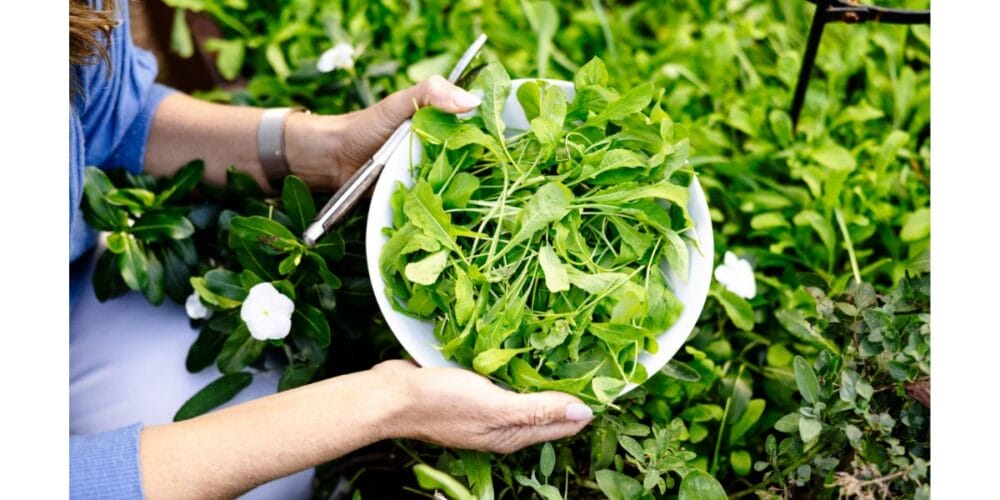
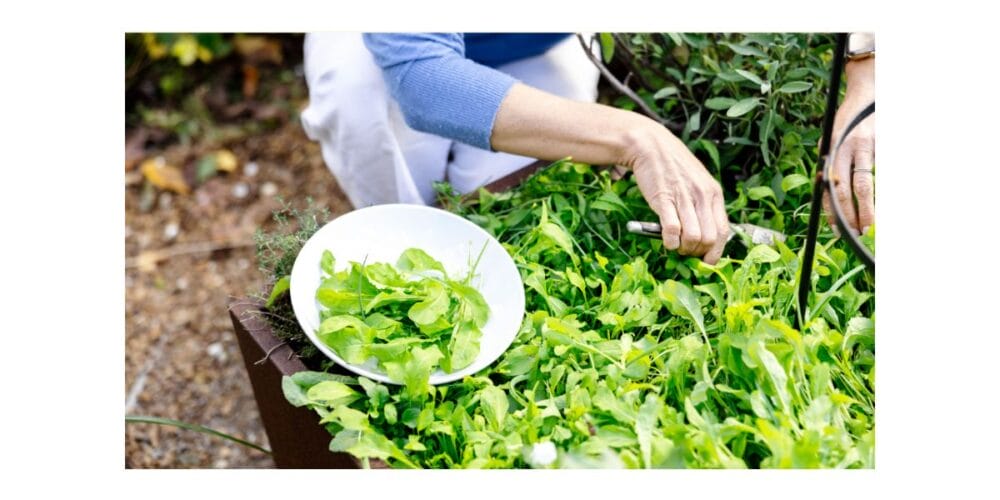
Use clean scissors or garden shears to cut outer leaves about 2–3 cm above the soil. Avoid cutting the central growing point to allow the plant to regrow. With proper care, you can harvest from the same plant multiple times.
Preventing Bolting
Bolting occurs when arugula plants flower and go to seed, making the leaves bitter. To delay bolting:
- Grow arugula during cooler seasons
- Provide partial shade in warm weather
- Keep the soil consistently moist
If plants do bolt, you can allow them to flower and collect seeds for future planting.
Storing and Using Fresh Arugula
Freshly harvested arugula is best used immediately, but it can be stored in the refrigerator for up to a week. Wash leaves gently, pat them dry, and store them in an airtight container or cloth-lined bag.
Arugula is versatile in the kitchen. Use it fresh in salads, sandwiches, and wraps, or add it to pasta, soups, and omelets for a peppery kick.
Also Read: How to Make Rice Water for Plants: A Natural Fertilizer Guide
Final Thoughts
Growing organic arugula is quick, rewarding, and perfect for gardeners of all skill levels. With minimal space and effort, you can enjoy a continuous supply of fresh, nutrient-rich greens straight from your garden. By following organic practices, you not only improve the flavor and quality of your harvest but also contribute to a healthier environment. Start planting arugula today and enjoy the satisfaction of homegrown organic food.
Also Read: About How to Plant, Grow, and Harvest Organic Arugula on gardenary.com Site
-
-

-
-

-

-

-
-
-
-
-

-

-

-

-

-
-

-

-
-
-

-
-

-

-
-

-

-

-

-

-
-
-

-

-
-

-
-

-

-

-
-

-

-

-

-
-

-

-

-