


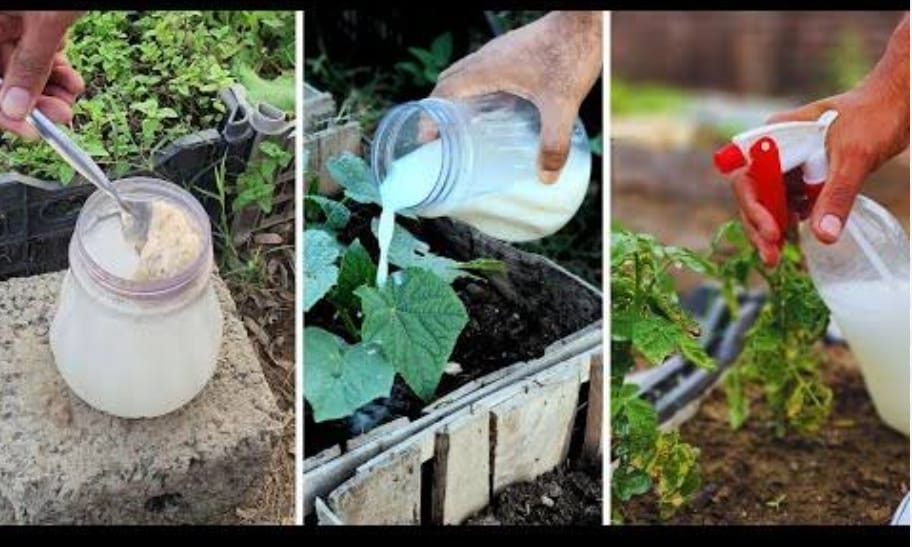
Rice Water for Plants
Rice water is a simple, natural, and eco-friendly liquid fertilizer that has been used for generations in gardening and farming. It is rich in nutrients released from rice grains during washing or cooking and helps promote healthy plant growth.
If you are looking for a low-cost and organic way to nourish your plants, rice water can be an excellent choice. In this blog, we will discuss what rice water is, its benefits, and step-by-step methods to prepare and use rice water for plants.
Table of Contents
What Is Rice Water?
Rice water is the starchy liquid left after washing, soaking, or cooking rice. During this process, rice releases essential nutrients such as carbohydrates, amino acids, B vitamins, and small amounts of minerals like nitrogen, phosphorus, and potassium. These nutrients support beneficial microorganisms in the soil and improve plant health naturally.
Benefits of Rice Water for Plants
Rice water offers several advantages when used correctly:
- Promotes root growth by improving soil microbial activity
- Enhances leaf growth and overall plant vigor
- Improves soil fertility and structure
- Encourages beneficial bacteria and fungi in the soil
- Cost-effective and eco-friendly, using kitchen waste
- Suitable for indoor and outdoor plants
However, rice water should always be used in moderation to avoid sour smells or pest attraction.

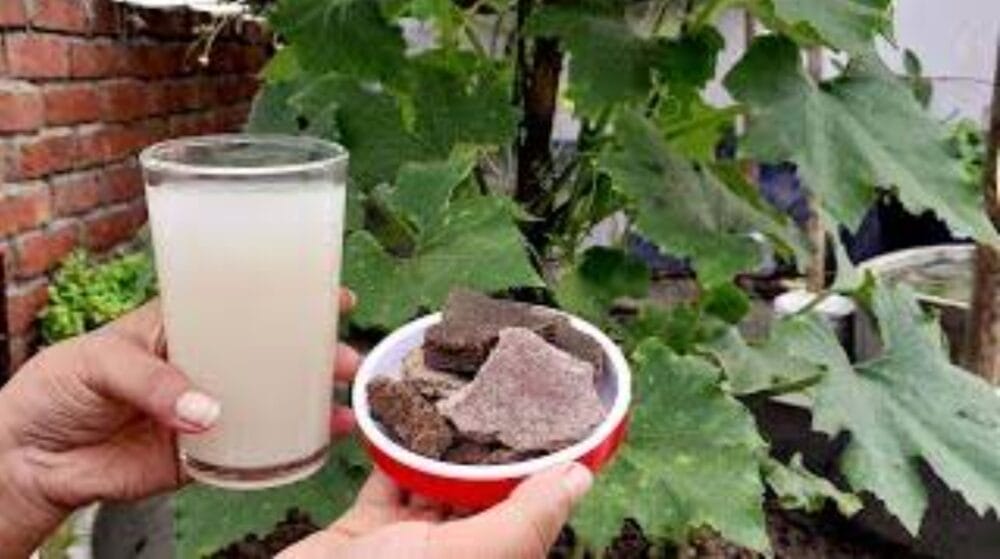
Methods to Make Rice Water for Plants
There are three common and effective ways to prepare rice water. Choose the method based on your convenience.
1. Rice Wash Water Method (Best and Safest)
This is the simplest and most commonly used method.
Steps:
- Take 1 cup of raw rice (white, brown, or any variety).
- Add 2–3 cups of clean water.
- Gently wash the rice by rubbing it with your hands.
- Collect the cloudy water in a container.
- Strain if necessary to remove rice particles.
- Use immediately or within 24 hours.
Best for: All plants, especially houseplants, flowering plants, and vegetables.
Also Read: Top 10 Benefits of Organic NPK Fertilizers for healthy plants
2. Soaked Rice Water Method
This method provides slightly higher nutrient availability.
Steps:
- Add 1 cup of rice to 3 cups of water.
- Soak the rice for 30 minutes to 1 hour.
- Stir occasionally.
- Strain the water into a container.
- Dilute with equal water before use.
Best for: Leafy plants and garden vegetables.
3. Cooked Rice Water Method
Cooked rice water contains more starch and nutrients but must be diluted properly.
Steps:
- Cook rice using excess water.
- After cooking, drain the remaining water.
- Allow it to cool completely.
- Dilute the rice water with 2–3 parts plain water.
- Use immediately.
Important: Never use salty or spiced rice water.
Best for: Outdoor plants and soil conditioning (use occasionally).
Also Read: Why Tomato Cages Are Actually Terrible
How to Use Rice Water for Plants
- Soil Application: Pour rice water directly onto the soil near the roots.
- Frequency: Use once every 10–15 days.
- Amount: Small plants – ½ cup; large plants – 1–2 cups.
- Time: Morning or evening is ideal.
Plants That Benefit from Rice Water
- Indoor plants (money plant, spider plant, peace lily)
- Flowering plants (rose, hibiscus, jasmine)
- Vegetables (tomato, spinach, chili)
- Fruit plants (banana, lemon)
- Garden soil improvement
Precautions While Using Rice Water
- Always use fresh rice water; fermented water should be used cautiously.
- Do not overuse, as excess starch may attract insects.
- Avoid using rice water on succulents and cacti frequently.
- Ensure rice water is unsalted and unseasoned.
- If foul smell develops, discard immediately.
Conclusion
Rice water is an excellent organic fertiliser that converts kitchen waste into plant nutrients. When prepared and applied correctly, it supports soil health, boosts plant growth, and reduces the need for chemical fertilisers.
Whether you grow indoor plants, vegetables, or flowering plants, rice water can be a sustainable addition to your gardening routine. Use it wisely, follow proper dilution, and enjoy healthier plants naturally.
Frequently Asked Questions (FAQ)
Q1. Can I use rice water daily for plants?
No, using rice water daily can harm plants. Apply it once every 10–15 days for best results.
Q2. Is rice water good for indoor plants?
Yes, rice water is safe and beneficial for most indoor plants when diluted properly.
Q3. Can fermented rice water be used for plants?
Yes, but it should be diluted heavily and used occasionally, as strong fermentation may damage roots.
Q4. Which rice is best for rice water?
Any rice variety such as white, brown, or organic rice can be used.
Q5. Can rice water attract insects?
Excess or undiluted rice water may attract pests, so always use in moderation.
Q6. Is rice water suitable for all plants?
Most plants benefit from rice water, but succulents and cacti should receive it sparingly.
Q7. Can I store rice water?
Fresh rice water is best. If stored, keep it refrigerated and use within 24 hours.
Also Read: Full Guide on Rice Water for Plants