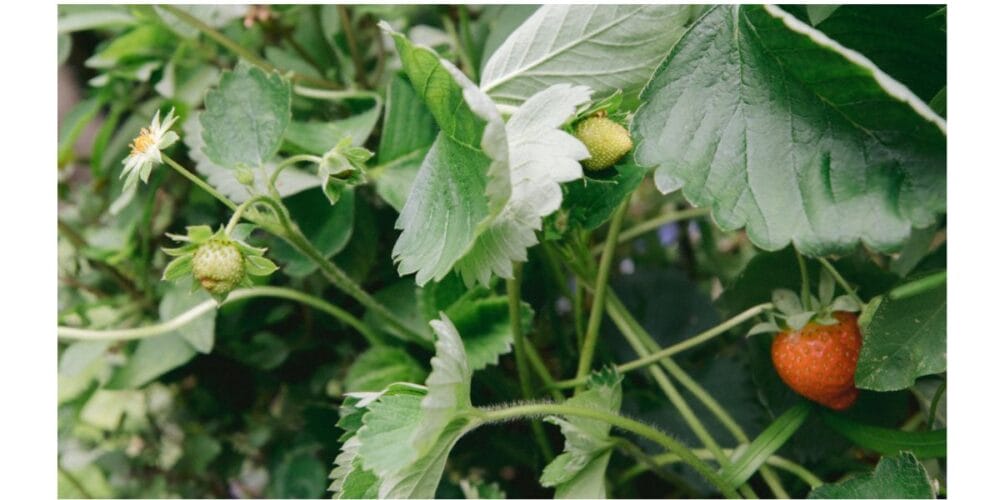
How to Plant and Grow Your Own Organic Strawberries
Nothing compares to the taste of fresh, homegrown strawberries—sweet, juicy, and completely free from synthetic chemicals. Growing your own organic strawberries is not only rewarding but also surprisingly easy, whether you have a backyard, raised bed, or balcony containers. With the right planting methods and care, strawberry plants can produce delicious fruit year after year.
In this guide, you’ll learn how to plant, grow, and maintain organic strawberries, from choosing varieties to harvesting a healthy crop.
Table of Contents
Why Grow Organic Strawberries at Home?
Strawberries are often listed among fruits with high pesticide residues when grown conventionally. By growing them organically, you can:
- Enjoy chemical-free, safe fruit
- Save money on store-bought berries
- Harvest fresher, better-tasting strawberries
- Control soil quality and plant nutrition
- Make use of small garden spaces or containers
Organic strawberry plants also attract pollinators and improve overall garden biodiversity.
Choosing the Right Strawberry Varieties
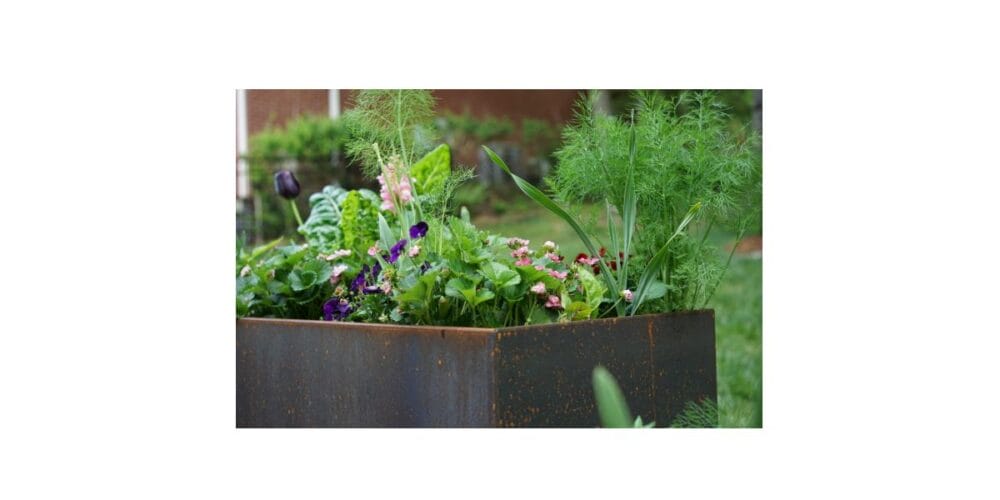
Before planting, select strawberry types that suit your climate and growing space.
1. June-Bearing Strawberries
- Produce one large crop per year (late spring to early summer)
- Ideal for jams and bulk harvests
- Examples: Chandler, Sweet Charlie
2. Ever-Bearing Strawberries
- Two to three harvests per season
- Good balance of yield and maintenance
- Examples: Ozark Beauty, Fort Laramie
3. Day-Neutral Strawberries
- Produce fruit continuously in mild climates
- Excellent for containers and balconies
- Examples: Albion, Seascape
Choose disease-resistant varieties whenever possible for easier organic management.
Also Read: How to Grow, Harvest, and Enjoy Nasturtium Flowers
Best Location and Soil for Organic Strawberries
Sunlight Requirements
Strawberries need 6–8 hours of direct sunlight daily for optimal flowering and fruiting. More sun means sweeter berries.
Soil Preparation
Organic strawberries thrive in:
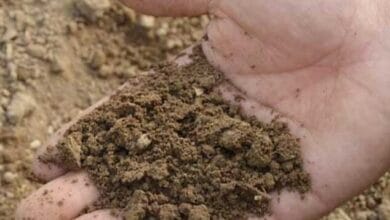
- Loose, well-draining soil
- Slightly acidic pH (5.5–6.5)
- Rich organic matter
Soil Preparation Tips:
- Mix compost or well-rotted manure into the soil
- Add cocopeat or leaf mold to improve drainage
- Avoid waterlogged or heavy clay soils
Raised beds are ideal because they improve drainage and reduce disease risk.
When and How to Plant Strawberries
Best Time to Plant
- Cool climates: Early spring
- Warm or mild climates: Late autumn to winter
- Container planting can be done almost year-round in moderate conditions
Planting Steps
- Dig holes 12–18 inches apart
- Place plants so the crown sits at soil level
- Spread roots gently and cover with soil
- Water thoroughly after planting
- Apply organic mulch (straw, dry leaves, or pine needles)
Avoid burying the crown, as it can cause rot.
Growing Organic Strawberries in Containers
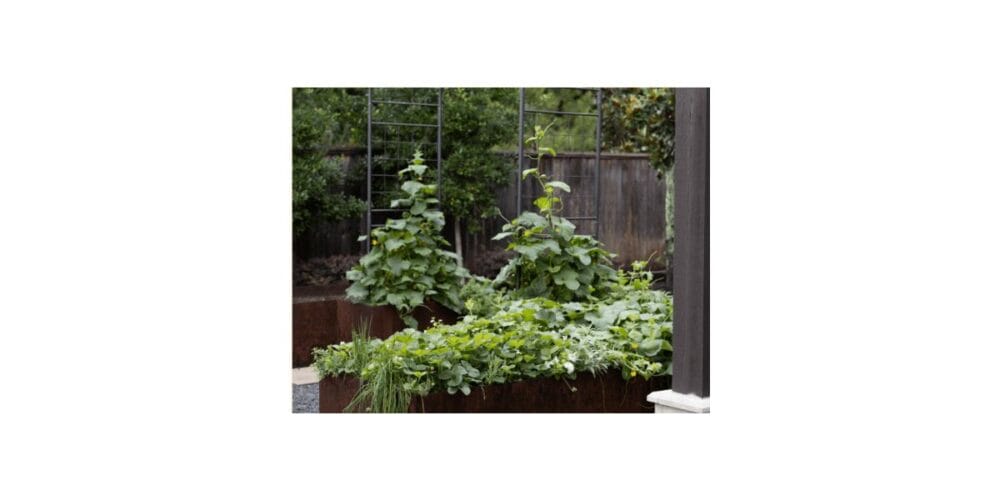
Strawberries grow exceptionally well in pots, hanging baskets, and grow bags.
Container Tips:
- Use pots at least 8–10 inches deep
- Ensure proper drainage holes
- Use organic potting mix enriched with compost
- Space plants properly to allow airflow
Containers are perfect for balconies and patios and help reduce soil-borne pests.
Also Read: How to Harvest Celery so It Keeps Growing
Organic Care and Maintenance
Watering
- Water regularly, keeping soil evenly moist
- Avoid wetting leaves to prevent fungal diseases
- Drip irrigation or watering at the base is ideal
Mulching
Organic mulch:
- Conserves moisture
- Keeps fruits clean
- Suppresses weeds
- Prevents soil splashing
Straw, dry grass, or shredded leaves work well.
Organic Fertilization for Healthy Plants
Feed strawberries with organic nutrients for strong growth and better fruiting.
Best Organic Fertilizers:
- Compost tea
- Vermicompost
- Fish emulsion
- Seaweed extract
- Bone meal for flowering support
Apply light feeding every 3–4 weeks during the growing season. Avoid excess nitrogen, which promotes leaves over fruit.
Managing Pests and Diseases Naturally
Common Organic Pest Solutions
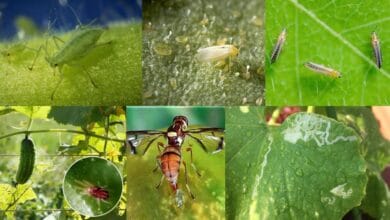
- Neem oil spray for aphids and mites
- Hand-picking slugs and caterpillars
- Encourage beneficial insects like ladybugs
Disease Prevention
- Ensure good air circulation
- Remove old or diseased leaves
- Avoid overcrowding plants
- Rotate planting areas every 2–3 years
Healthy soil is the foundation of disease-free organic strawberries.
Flower and Runner Management
- Remove flowers in the first few weeks after planting to help roots establish
- Trim runners if you want larger fruits
- Allow runners to root if you want to propagate new plants
Proper pruning improves fruit quality and plant longevity.
Harvesting Organic Strawberries
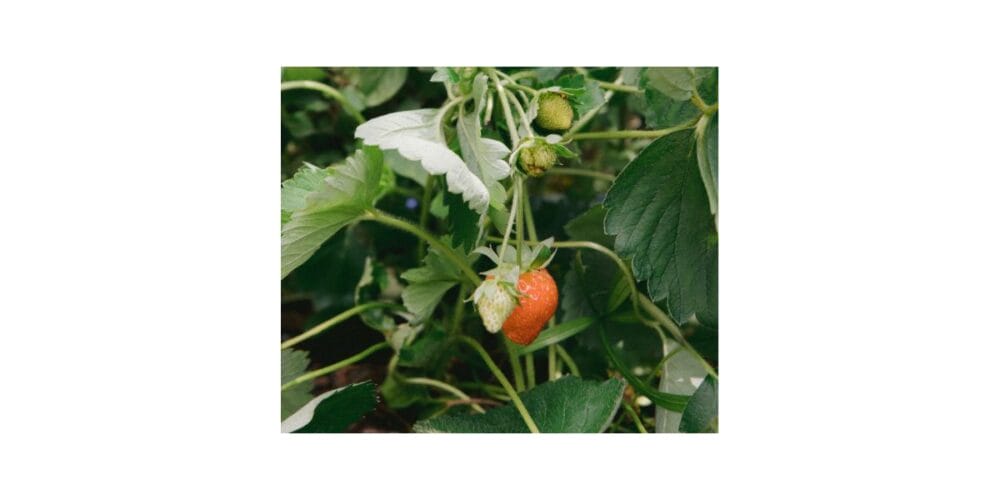
Strawberries are ready to harvest when:
- Fully red with no green tips
- Firm but juicy
- Easily detach from the plant
Harvest in the morning for best flavor. Handle gently to avoid bruising.
Also Read: 6 Essential Gardening Tools for Beginner and Advanced Gardeners
Storing and Using Homegrown Strawberries
Fresh strawberries are best eaten within 1–2 days. For longer storage:
- Refrigerate unwashed berries
- Freeze for smoothies and desserts
- Use for jams, sauces, and baking
Homegrown organic strawberries have superior taste and nutrition compared to store-bought ones.
Final Thoughts
Growing your own organic strawberries is a delightful and sustainable gardening experience. With proper soil preparation, organic nutrition, and natural pest control, even beginners can enjoy a productive strawberry patch. Whether planted in garden beds or containers, strawberries reward your efforts with vibrant plants and irresistible fruit.
Start small, care consistently, and soon you’ll be harvesting sweet, organic strawberries straight from your own garden.
Also Read: About How to Plant and Grow Your Own Organic Strawberries on gardenary.com Site
-

-

-
-
-
-

-

-

-
-
-
-
-
-

-

-

-

-

-

-

-
-

-

-
-

-

-
-

-

-

-

-

-
-
-

-

-

-

-
-
-

-

-

-

-

-

-

-

-

-