Snake Plant Benefits
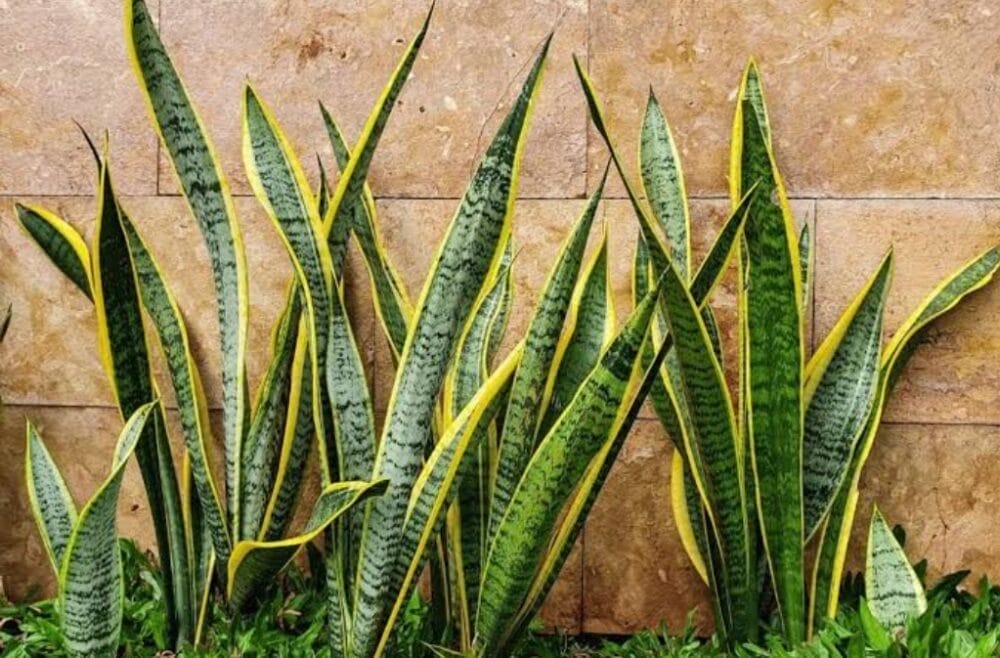
The snake plant, scientifically known as Sansevieria trifasciata (also called mother-in-law’s tongue), is one of the most popular indoor plants worldwide. Loved for its upright sword-like leaves and striking green-and-yellow patterns, the snake plant is not only decorative but also packed with health, environmental, and lifestyle benefits.
Whether you are a beginner in gardening or an experienced plant lover, the snake plant is an excellent addition to any home or office.
Table of Contents
1. Improves Indoor Air Quality
One of the most well-known benefits of the snake plant is its ability to purify indoor air. According to studies conducted by NASA, snake plants can help remove harmful toxins such as formaldehyde, benzene, xylene, toluene, and nitrogen oxides from the air.
These pollutants are commonly released from furniture, paints, cleaning products, and electronic devices.
By absorbing toxins and releasing oxygen, snake plants contribute to cleaner, fresher indoor air, making your living environment healthier—especially in closed spaces like bedrooms and offices.
2. Releases Oxygen at Night
Unlike most plants that release oxygen only during the day, snake plants continue to produce oxygen at night through a special process called Crassulacean Acid Metabolism (CAM). This makes them one of the best plants to keep in bedrooms.
The continuous oxygen release helps improve air quality while you sleep, which may support better breathing and more restful sleep. This unique feature sets the snake plant apart from many other indoor plants.
3. Low Maintenance and Beginner-Friendly
Snake plants are extremely hardy and require minimal care, making them perfect for busy individuals or those new to plant care. They can survive in low light, indirect sunlight, and even tolerate some direct sun. Watering requirements are minimal—overwatering is more harmful than underwatering.
This resilience makes the snake plant an ideal choice for homes, offices, hostels, and apartments where regular plant care may be challenging.
Also Read: How to Plant and Grow Your Own Organic Strawberries
4. Helps Reduce Allergies and Respiratory Issues
By filtering airborne toxins and producing oxygen, snake plants can help reduce indoor allergens. Cleaner air may help people who suffer from allergies, asthma, or other respiratory issues. While snake plants are not a medical treatment, their air-purifying ability can contribute to a more comfortable indoor environment.
5. Enhances Mental Health and Reduces Stress
Indoor plants, including snake plants, are known to have a positive impact on mental well-being. The presence of greenery indoors can reduce stress, anxiety, and mental fatigue. Snake plants add a calming and refreshing touch to interiors, helping create a peaceful atmosphere.
Studies suggest that interacting with plants can improve mood, increase productivity, and promote a sense of relaxation—making snake plants a great addition to workspaces and study areas.
6. Boosts Home Aesthetics and Feng Shui
Snake plants are highly valued for their architectural beauty. Their tall, upright leaves add a modern and elegant look to any room. They fit well with minimalist, contemporary, and traditional décor styles.
In Feng Shui, snake plants are believed to bring positive energy, protect the home from negative vibes, and promote prosperity. Placing a snake plant near entrances or corners is thought to enhance energy flow and harmony in the house.
Also Read: How to Make Compost Fertilizer from Kitchen Waste: A Complete Guide
7. Improves Humidity Levels
Snake plants help maintain indoor humidity by releasing moisture into the air through transpiration. Proper humidity levels can reduce dry skin, sore throats, and respiratory discomfort, especially in air-conditioned or heated rooms.
Improved humidity can also protect wooden furniture and musical instruments from excessive dryness.
8. Long Lifespan and Easy Propagation
With proper care, snake plants can live for many years. They grow slowly but steadily and can be easily propagated through leaf cuttings or division. This means you can grow new plants from an existing one and share them with friends and family.
Their long lifespan and easy propagation make snake plants a cost-effective and sustainable choice for indoor gardening.
9. Absorbs Carbon Dioxide and Odors
Snake plants absorb carbon dioxide and help neutralize unpleasant odors indoors. This makes them useful in kitchens, bathrooms, and living rooms where odors may linger. The plant’s ability to improve overall air freshness enhances indoor comfort.
10. Safe Choice for Urban Living
In urban homes where exposure to pollution is high, snake plants act as natural air filters. They are especially beneficial in apartments with limited ventilation, helping improve air quality naturally without electricity or chemicals.
Frequently Asked Questions (FAQ)
1. Is the snake plant good for bedrooms?
Yes, snake plants are excellent for bedrooms because they release oxygen at night and improve air quality, which may support better sleep.
2. How often should I water a snake plant?
Water the snake plant only when the soil is completely dry. Usually, once every 2–3 weeks is sufficient. Overwatering can cause root rot.
3. Does the snake plant need sunlight?
Snake plants prefer indirect sunlight but can tolerate low light and even some direct sunlight. They adapt well to different lighting conditions.
4. Is the snake plant safe for pets?
No, snake plants are mildly toxic to pets like cats and dogs if ingested. It’s best to keep them out of reach of pets.
5. Can snake plants grow indoors without much care?
Yes, snake plants are one of the easiest indoor plants to grow. They require minimal watering, little maintenance, and adapt well to indoor environments.
6. How can I propagate a snake plant?
Snake plants can be propagated through leaf cuttings or by dividing the root clumps during repotting.
7. Where should I place a snake plant at home?
Snake plants can be placed in living rooms, bedrooms, offices, or near entrances. They thrive in corners and low-light areas.
Also Read:10 Benefits of the Snake Plant: The Ideal Indoor Plant
-

-

-

-

-

-

-

-

-

-

-

-

-

-

-

-

-

-

-

-

-

-

-

-

-

-

-

-

-

-

-

-

-

-

-

-

-

-

-

-

-

-

-

-

-

-

-

-

-

-