Diseases of Maize
Maize, also known as corn, is one of the most important cereal crops grown worldwide for food, feed, and industrial use. In India and many other countries, maize plays a crucial role in food security and livestock farming. However, maize production is often affected by various diseases caused by fungi, bacteria, viruses, and nematodes.
These diseases can significantly reduce yield and grain quality if not managed properly. Understanding the major maize diseases, their symptoms, causes, and control measures is essential for sustainable maize cultivation.
Table of Contents
1. Downy Mildew of Maize
Downy mildew is one of the most destructive fungal diseases of maize, especially in warm and humid regions. It is caused by fungi such as Peronosclerospora sorghi.
Symptoms:
- Yellow or pale green stripes along the leaves
- White, downy fungal growth on the underside of leaves
- Stunted plant growth
- Poor cob formation or no cob at all
Management:
- Use resistant maize varieties
- Treat seeds with suitable fungicides
- Remove and destroy infected plants
- Maintain proper field sanitation and crop rotation
Also Read:The Best Companion Plants for Tomatoes
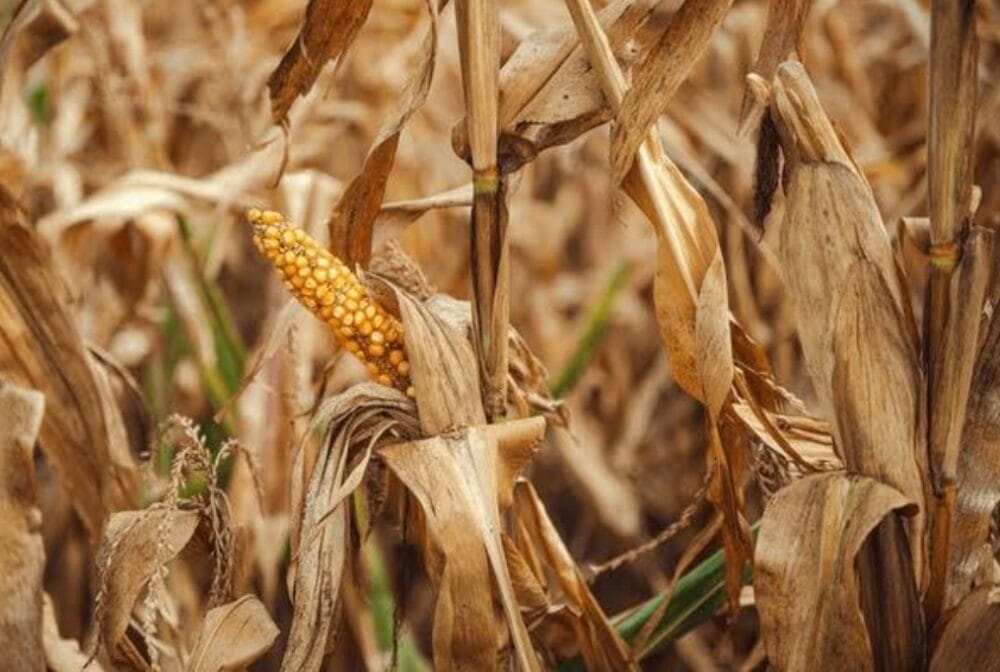
2. Turcicum Leaf Blight (Northern Corn Leaf Blight)
This disease is caused by the fungus Exserohilum turcicum and commonly occurs in cool, moist conditions.
Symptoms:
- Long, cigar-shaped grey or brown lesions on leaves
- Drying of leaves starting from lower foliage
- Reduced photosynthesis leading to low yield

Management:
- Grow resistant hybrids
- Spray recommended fungicides at early stages
- Avoid overcrowding of plants
- Remove crop residues after harvest
3. Maydis Leaf Blight (Southern Corn Leaf Blight)
Maydis leaf blight is caused by Bipolaris maydis and is prevalent in warm and humid climates.
Symptoms:
- Small, oval to rectangular brown spots on leaves
- Spots enlarge and merge, causing leaf drying
- Reduced grain filling
Management:
- Use disease-free seeds
- Follow crop rotation
- Apply fungicides when symptoms appear
- Ensure balanced fertilization
4. Common Rust of Maize
Common rust is a fungal disease caused by Puccinia sorghi.
Symptoms:
- Small reddish-brown pustules on both sides of leaves
- Pustules release powdery spores
- Severe infection leads to early leaf death
Management:
- Cultivate rust-resistant varieties
- Avoid late sowing
- Spray fungicides if infection is severe
5. Bacterial Stalk Rot
Bacterial stalk rot is caused by Erwinia chrysanthemi and usually affects maize during the later growth stages.
Symptoms:
- Soft, watery rot of the stalk
- Foul smell from infected plants
- Plants lodge or break easily
Management:
- Improve field drainage
- Avoid excessive nitrogen fertilizer
- Remove infected plants
- Practice crop rotation
Also Read:Liquid Fertiliser Benefits: A Complete Guide for Healthy and Productive Crops
6. Maize Mosaic and Viral Diseases
Maize is also affected by viral diseases such as maize mosaic virus and maize streak virus, often spread by insect vectors like leafhoppers and aphids.
Symptoms:
- Mosaic or streak patterns on leaves
- Yellowing and stunted growth
- Reduced cob size
Management:
- Control insect vectors
- Use resistant varieties
- Remove infected plants early
- Maintain weed-free fields
7. Charcoal Rot
Charcoal rot is caused by Macrophomina phaseolina and commonly appears under drought stress.
Symptoms:
- Grey-black discoloration of stalk tissues
- Premature drying of plants
- Lodging at maturity
Management:
- Provide adequate irrigation
- Avoid moisture stress
- Practice crop rotation
- Use tolerant varieties
Importance of Integrated Disease Management (IDM)
Effective control of maize diseases requires an integrated approach. This includes the use of resistant varieties, proper seed treatment, balanced fertilization, timely irrigation, crop rotation, and judicious use of fungicides and pesticides. Regular field monitoring helps in early detection and reduces the spread of diseases.
Healthy maize crops not only ensure higher yields but also improve grain quality and farmer profitability. By adopting good agricultural practices and disease management strategies, farmers can minimize losses caused by maize diseases.
Frequently Asked Questions (FAQ)
Q1. What is the most common disease of maize?
Downy mildew and leaf blights are among the most common maize diseases, especially in humid regions.
Q2. How can maize diseases be prevented naturally?
Using resistant varieties, crop rotation, proper spacing, and field sanitation can help prevent diseases naturally.
Q3. Are maize diseases seed-borne?
Yes, some fungal diseases can be seed-borne. Seed treatment is recommended before sowing.
Q4. Which fungicide is best for maize leaf diseases?
The choice of fungicide depends on the disease. Farmers should follow local agricultural extension recommendations.
Q5. Can maize diseases reduce yield significantly?
Yes, severe disease infestation can reduce maize yield by 20–50% or even more if unmanaged.
Q6. How does weather affect maize diseases?
High humidity, rainfall, and moderate temperatures favor most fungal diseases in maize.Also Read:Fertilizers are food for plants: they provide nutrients for plants to grow and thrive.
-

-

-

-

-

-

-

-

-

-

-

-

-

-

-

-

-

-

-

-

-
-

-

-

-

-

-

-

-

-

-

-

-
-

-

-

-

-

-
-

-

-

-

-

-

-

-

-

-

-