


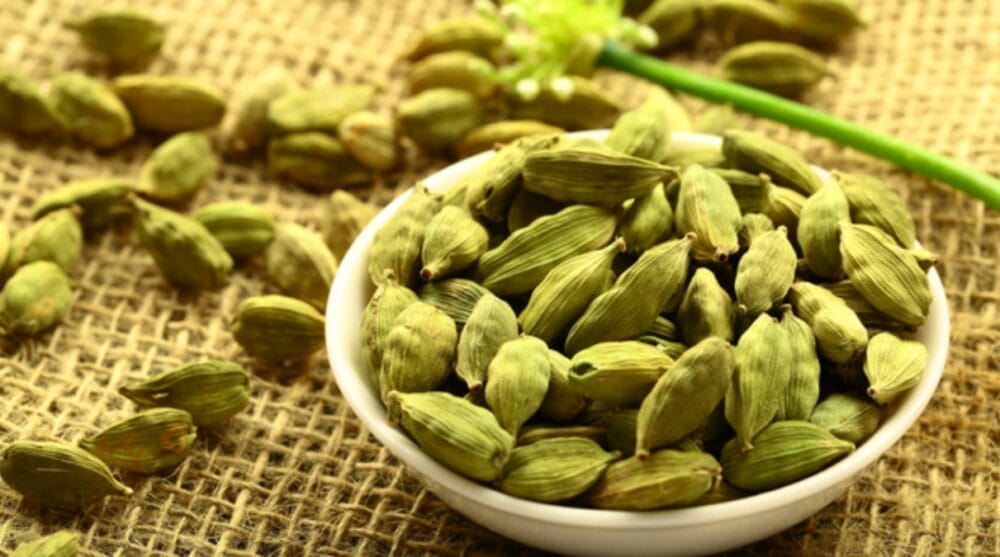
Elaichi (Cardamom) Cultivation
Elaichi, commonly known as cardamom, is one of the most valuable spice crops in the world and is often referred to as the “Queen of Spices.” India is one of the largest producers and exporters of cardamom, especially small cardamom (Elettaria cardamomum), which is widely grown in the Western Ghats of Kerala, Karnataka, and Tamil Nadu.
Due to its high market value and demand in food, medicine, and cosmetics, elaichi cultivation is a profitable venture for farmers when managed properly.
Table of Contents
Types of Cardamom
There are two main types of cardamom grown in India:
- Small Cardamom (Green Cardamom):
- Scientific name: Elettaria cardamomum
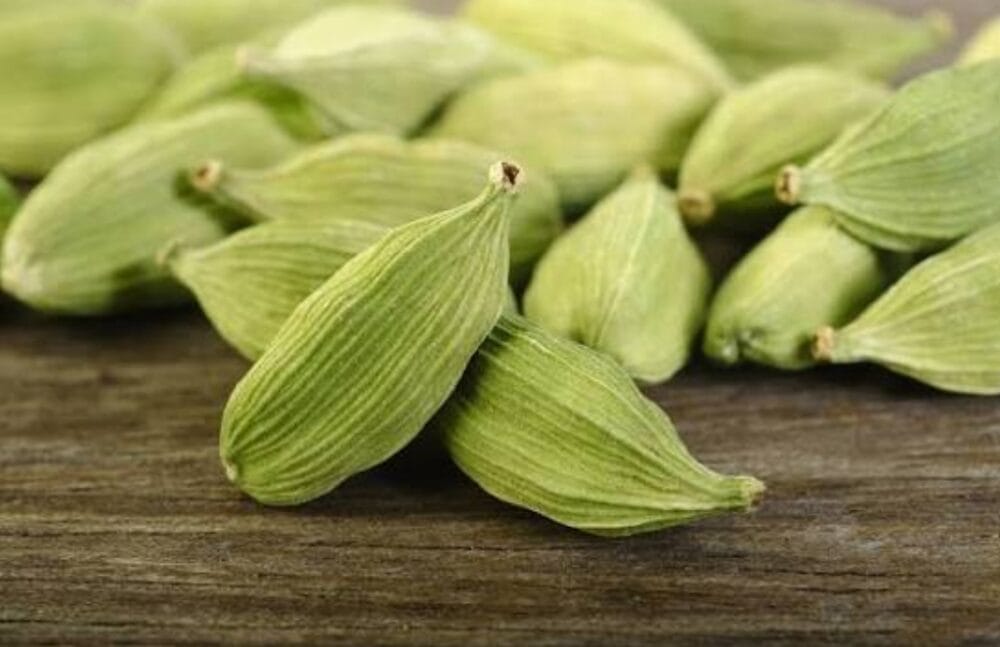
- Highly aromatic and premium quality
- Grown in shaded, humid regions
- Large Cardamom (Black Cardamom):
- Scientific name: Amomum subulatum
- Larger pods with smoky flavor
- Mainly cultivated in Sikkim and northeastern states
This blog mainly focuses on small cardamom cultivation, which has higher commercial value.
Climate Requirements
Elaichi is a tropical crop that thrives in warm and humid conditions.
- Temperature: 10°C to 35°C
- Rainfall: 1500–4000 mm annually
- Humidity: High humidity is essential
- Altitude: 600 to 1500 meters above sea level
Cardamom plants grow best under partial shade, usually under forest tree cover.
Soil Requirements
Soil plays a crucial role in successful elaichi cultivation.
- Soil type: Well-drained loamy or forest soil
- pH range: 5.5 to 6.5 (slightly acidic)
- Organic matter: Rich in organic content
Waterlogged or alkaline soils are not suitable for cardamom cultivation.

Land Preparation
Land preparation should be done carefully to ensure good root development.
- Clear weeds and bushes without disturbing natural shade
- Dig pits of size 45 cm × 45 cm × 45 cm
- Fill pits with topsoil mixed with compost or well-rotted farmyard manure
- Maintain adequate drainage to prevent water stagnation
Propagation Methods
Elaichi is propagated by two main methods:
- Seed Propagation:
- Seeds are raised in nurseries
- Takes longer to bear fruits
- Used for large-scale plantations
- Vegetative Propagation (Rhizomes/Suckers):
- Most commonly used method
- Ensures uniform yield and early bearing
- Healthy disease-free suckers are selected for planting
Planting
- Best planting season: June to July (monsoon season)
- Spacing: 2 m × 2 m or 2.5 m × 2.5 m
- Planting depth: Rhizomes should be planted shallowly and covered with soil
Mulching with dry leaves helps retain moisture and control weeds.
Nutrient and Fertilizer Management
Proper nutrition increases yield and pod quality.
- Apply organic manure like compost or vermicompost annually
- Use balanced NPK fertilizers as recommended by agricultural experts
- Split fertilizer application into 2–3 doses per year
- Micronutrients like zinc and boron may be applied if deficiency appears
Irrigation and Water Management
Although cardamom is rainfed in many regions, irrigation is essential during dry spells.
- Provide light irrigation during summer
- Avoid over-irrigation to prevent root rot
- Sprinkler irrigation is ideal for maintaining humidity
Weed and Shade Management
- Regular weeding is necessary to reduce competition
- Maintain 50–60% shade for optimal growth
- Prune shade trees periodically to allow filtered sunlight
Also Read: Sunflower Cultivation: A Complete Guide for Farmers
Pest and Disease Management
Common pests:
- Thrips
- Shoot and capsule borer
Common diseases:
- Rhizome rot
- Leaf blight
- Mosaic (viral disease)
Use integrated pest management (IPM), including:
- Healthy planting material
- Proper drainage
- Biological control methods
- Minimal use of chemical pesticides
Also Read:Movento Insecticide: An Efficient Solution for Pest Management
Harvesting
- Elaichi plants start yielding 2–3 years after planting
- Capsules are harvested when they are fully developed but still green
- Harvesting is done manually at intervals of 30–40 days
- Proper drying is essential to maintain color and aroma
Yield and Profitability
- Average yield: 150–300 kg per hectare
- High-quality produce fetches premium prices
- With good management, elaichi cultivation can be highly profitable
Frequently Asked Questions (FAQ)
Q1. How long does cardamom take to grow?
Elaichi plants start producing pods after 2 to 3 years and remain productive for 10–15 years.
Q2. Which state is best for elaichi cultivation in India?
Kerala is the leading producer, followed by Karnataka and Tamil Nadu.
Q3. Can cardamom be grown in pots?
Yes, cardamom can be grown in large pots in shaded areas, but commercial yield is low.
Q4. What is the best season to plant cardamom?
The monsoon season (June–July) is ideal for planting elaichi.
Q5. Is cardamom cultivation profitable?
Yes, due to its high market price, elaichi cultivation is highly profitable with proper care and management.
Q6. Does cardamom need full sunlight?
No, cardamom grows best under partial shade.
Also Read: Is Cauliflower a Superfood?