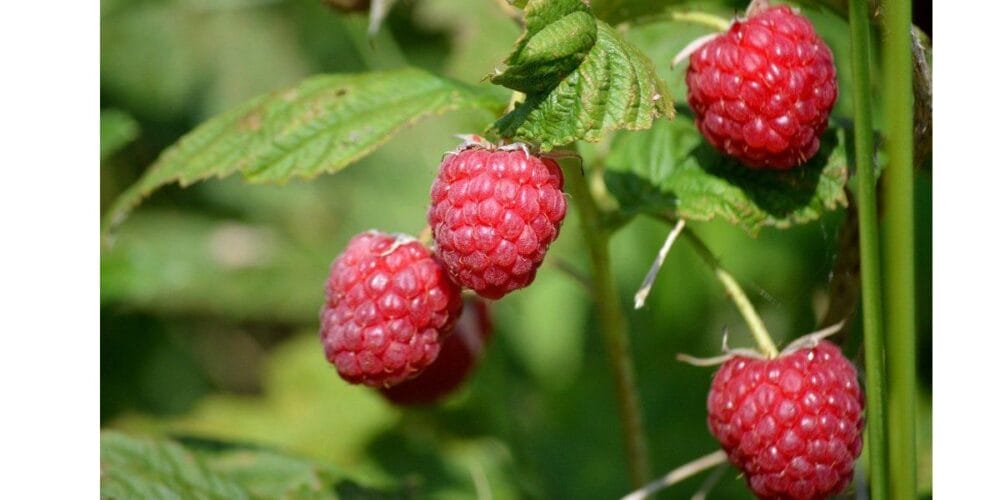
5 Tips to Grow Your Own Organic Raspberries
Growing your own organic raspberries at home is one of the most rewarding gardening experiences. These vibrant, nutrient-rich berries are surprisingly easy to grow and can produce abundant harvests for years with proper care. Whether you’re working with a small backyard or a raised bed, raspberries thrive when given the right conditions and attention.
If you’ve been dreaming of harvesting sweet, juicy raspberries straight from your garden, follow these five essential tips to grow organic raspberries successfully in your backyard.
Tip 1: Choose the Right Raspberry Variety for Your Climate
Selecting the right raspberry variety is the first and most important step toward a successful harvest. Raspberries are generally categorized into summer-bearing and everbearing (fall-bearing) varieties.
- Summer-bearing raspberries produce one large crop in early summer.
- Everbearing raspberries yield two crops—one in summer and another in early fall.
For beginners, everbearing varieties are often easier to manage. When choosing plants, look for disease-resistant cultivars that are well-suited to your local climate. Red raspberries are the hardiest and most adaptable, while black and purple varieties may require warmer conditions.
Always buy certified organic, disease-free plants from a reputable nursery to ensure a strong start.
Tip 2: Choose the Right Raspberry Variety for Your Climate
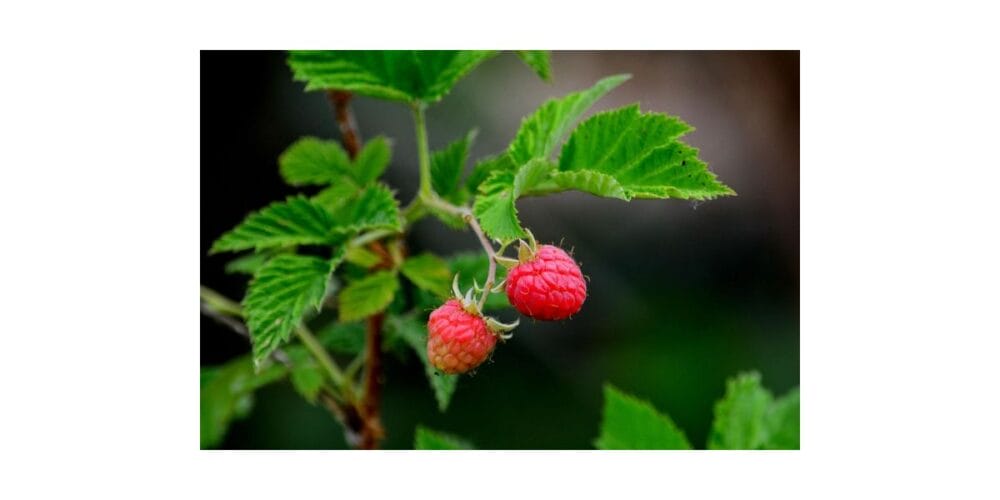
Raspberries love sunshine. Choose a planting site that receives at least 6–8 hours of direct sunlight daily. Adequate sunlight encourages better flowering, higher fruit production, and sweeter berries.
Equally important is soil quality. Raspberries prefer:
- Well-draining, loamy soil
- Slightly acidic pH (between 5.5 and 6.5)
- Rich organic matter
Before planting, amend the soil with compost or well-rotted manure to improve fertility and structure. Avoid areas where tomatoes, potatoes, or peppers were previously grown, as these crops can harbor diseases that affect raspberries.
Also Read: Complete Guide to Using Trellises in the Kitchen Garden
Tip 3: Master Proper Watering and Mulching
Consistent moisture is essential for healthy raspberry plants, especially during flowering and fruiting. Water deeply once or twice a week, ensuring the soil stays moist but not waterlogged. Drip irrigation or soaker hoses work best, as they keep leaves dry and reduce disease risk.
Mulching plays a key role in organic raspberry growing. Apply a thick layer of organic mulch such as:
- Straw
- Shredded leaves
- Wood chips
Mulch helps retain soil moisture, suppress weeds, regulate soil temperature, and add organic matter as it breaks down. Refresh mulch regularly to keep plants protected year-round.
Tip 4: Prune Regularly for Better Yields
Pruning may seem intimidating, but it’s essential for productive raspberry plants. Raspberries grow on canes, and knowing which canes to prune makes all the difference.
- Summer-bearing varieties: Prune old canes that have fruited right after harvest.
- Everbearing varieties: Cut all canes down to ground level in late winter for a single fall crop, or selectively prune for two harvests.
Regular pruning improves air circulation, reduces pests and diseases, and encourages vigorous new growth. Always use clean, sharp tools to avoid spreading infections.
Also Read: 5 Medicinal Plants and Their Uses: Nature’s Healing Treasures
Tip 5: Feed Naturally and Manage Pests Organically
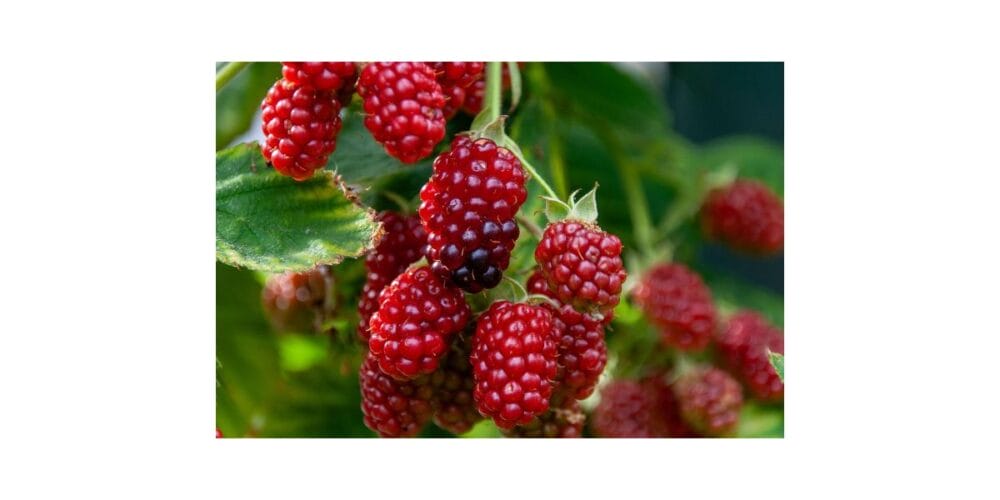
Organic raspberries benefit from natural feeding methods. Apply compost, vermicompost, or organic berry fertilizers in early spring and again after harvesting. Avoid chemical fertilizers, as they can damage soil health and reduce fruit quality.
For pest control, focus on prevention:
- Encourage beneficial insects like ladybugs and lacewings
- Inspect plants regularly for aphids, spider mites, or beetles
- Use neem oil or insecticidal soap only when necessary
Good air circulation, proper spacing, and healthy soil go a long way in preventing disease and pest problems organically.
Benefits of Growing Organic Raspberries at Home

- Fresh, chemical-free fruit
- Cost-effective compared to store-bought berries
- High in antioxidants, fiber, and vitamins
- Long-term harvests from perennial plants
- Greater control over soil and plant health
Once established, raspberry plants can produce fruit for 10 years or more, making them a valuable addition to any backyard garden.
Also Read: How to Plant and Grow Your Own Organic Strawberries
Frequently Asked Questions (FAQs)
How long do raspberry plants take to produce fruit?
Most raspberry plants produce fruit within their first or second year, depending on the variety.
Can raspberries be grown in containers?
Yes, dwarf or compact varieties grow well in large containers with proper drainage and sunlight.
Do raspberry plants spread?
Raspberries spread through underground runners. Regular pruning and spacing help control growth.
Final Thoughts
Growing your own organic raspberries in your backyard is easier than you might think. With the right variety, proper planting location, consistent care, and organic practices, you’ll enjoy fresh, flavorful berries season after season. Follow these five tips, and your raspberry patch will soon become one of the most productive and rewarding areas of your garden.
Happy gardening—and happy harvesting!
Also Read: About 5 Tips to Grow Your Own Organic Raspberries Right in Your Backyard on gardenary.com Site
-

-

-
-

-

-

-

-

-
-
-
-

-

-

-

-

-

-

-

-

-
-

-

-
-

-

-

-

-

-

-

-

-
-

-

-

-

-

-
-

-

-

-

-

-

-

-

-

-

-