


How to Grow Your Own Organic Onions
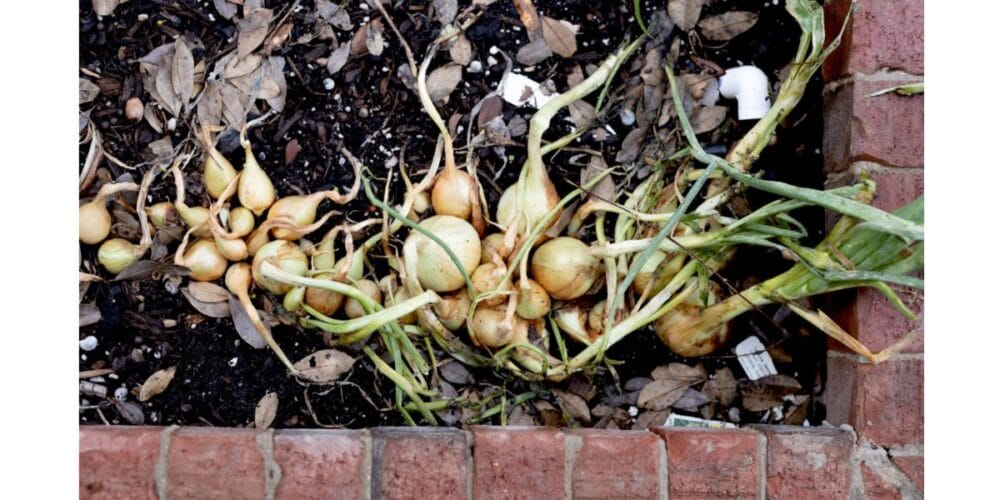
Onions are one of the most rewarding vegetables to grow at home. They are used in almost every kitchen, store well for months, and require very little space. Best of all, growing your own organic onions ensures chemical-free bulbs with richer flavor and better nutrition. Whether you have a backyard garden, raised bed, or containers, this guide will walk you through everything you need to know to grow healthy organic onions from planting to harvest.
Table of Contents
Why Grow Organic Onions at Home?
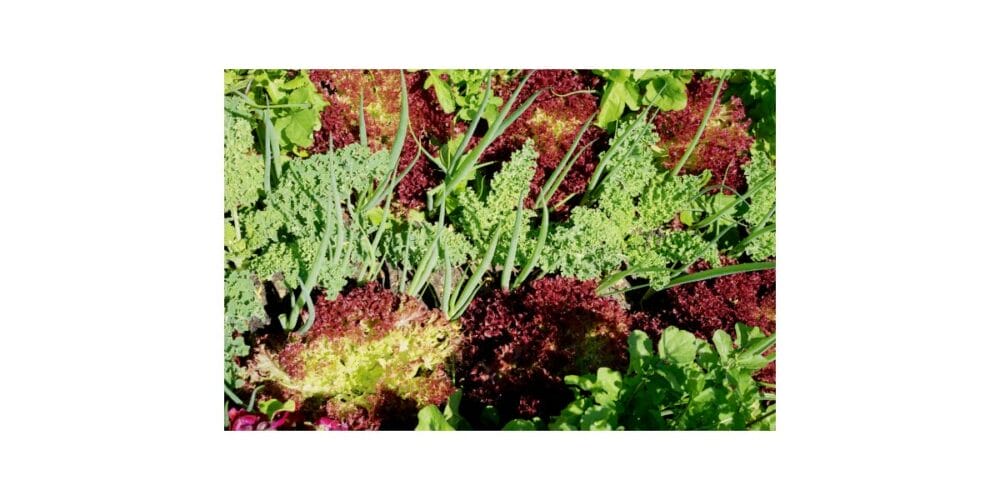
Growing organic onions has several benefits:
- No chemical residues in your food
- Better taste and aroma compared to store-bought onions
- Cost-effective over time
- Improved soil health through organic practices
- Long storage life when cured properly
Organic onions also help repel some pests in the garden and work well as companion plants.
Choosing the Right Onion Variety
Selecting the correct variety is essential for success. Onions are categorized based on day length:
- Short-day onions – Best for warm climates; form bulbs with 10–12 hours of daylight
- Long-day onions – Ideal for cooler regions; need 14–16 hours of daylight
- Intermediate-day onions – Adaptable to many regions
Popular organic varieties include Red Creole, Yellow Sweet Spanish, White Lisbon, and Texas Grano. Always choose disease-resistant varieties suited to your climate.
Also Read: Organic Sweet Potato Farming
Best Time to Plant Onions
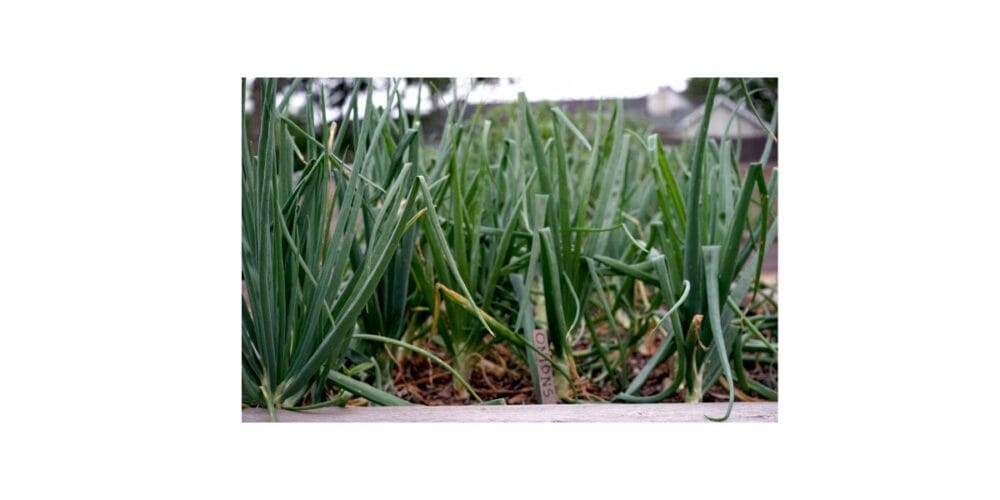
Onions prefer cool weather during early growth and warmer conditions for bulb formation.
- Seeds: Start indoors 8–10 weeks before the last frost
- Sets or seedlings: Plant in early spring or late winter
- Warm regions: Plant in autumn for spring harvest
The earlier you plant, the larger your onion bulbs will grow.
Soil Preparation for Organic Onions
Healthy soil is the foundation of organic onion growing.
- Choose loose, well-draining soil
- Ideal pH range: 6.0–6.8
- Mix in well-decomposed compost or vermicompost
- Avoid fresh manure, which can cause rot
Raised beds work especially well for onions since they prevent waterlogging and encourage straight bulb development.
Planting Onions Correctly
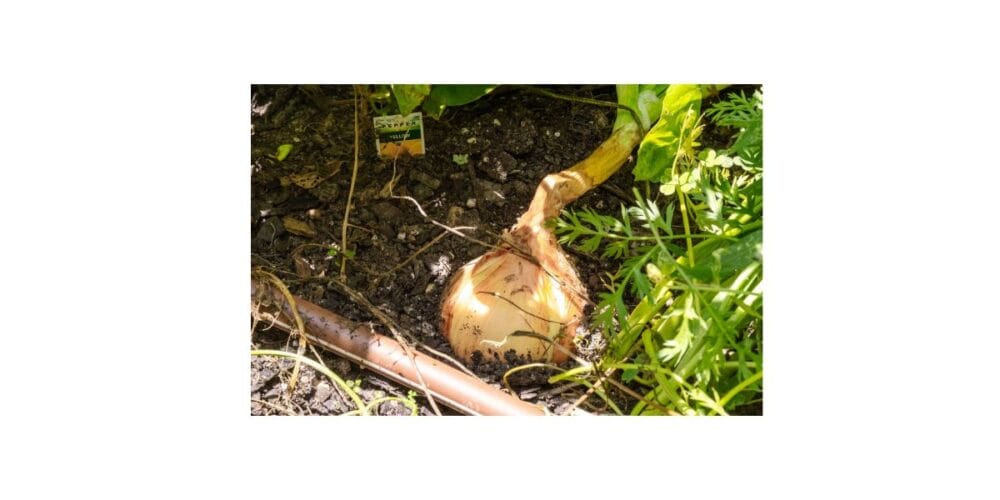
You can grow onions from seeds, sets, or transplants.
Spacing Guidelines:
- Plant 1 inch deep
- Space plants 4–6 inches apart
- Rows should be 12–15 inches apart
Make sure the onion tops are above soil level. Planting too deep can reduce bulb size.
Also Read: Ginger Farming: A Complete Guide for Profitable Cultivation
Watering and Mulching
Onions have shallow roots and need consistent moisture.
- Water deeply once or twice a week
- Avoid overwatering during bulb formation
- Reduce watering as bulbs mature
Apply organic mulch like straw, dry leaves, or grass clippings to retain moisture, control weeds, and regulate soil temperature.
Organic Fertilization Schedule
Onions are heavy feeders, especially during leaf growth.
- Apply compost tea or liquid seaweed every 2–3 weeks
- Use bone meal or rock phosphate for strong roots
- Stop nitrogen-rich feeding once bulbs start swelling
Healthy green tops mean larger bulbs later.
Managing Weeds and Pests Organically
Weeds compete aggressively with onions, so early control is crucial.
Organic Weed Control:
- Hand weeding
- Mulching
- Shallow hoeing
Common Pests:
- Onion thrips
- Cutworms
- Onion maggots
Use neem oil spray, diatomaceous earth, and beneficial insects to keep pests under control. Avoid chemical pesticides to preserve soil life.
Harvesting Organic Onions
Onions are ready to harvest when:
- Tops turn yellow and fall over naturally
- Bulbs feel firm
Gently loosen the soil and pull out the onions. Avoid damaging the bulbs, as this affects storage life.
Also Read: The Complete Guide to Growing Beets from Seed to Harvest
Curing and Storing Onions
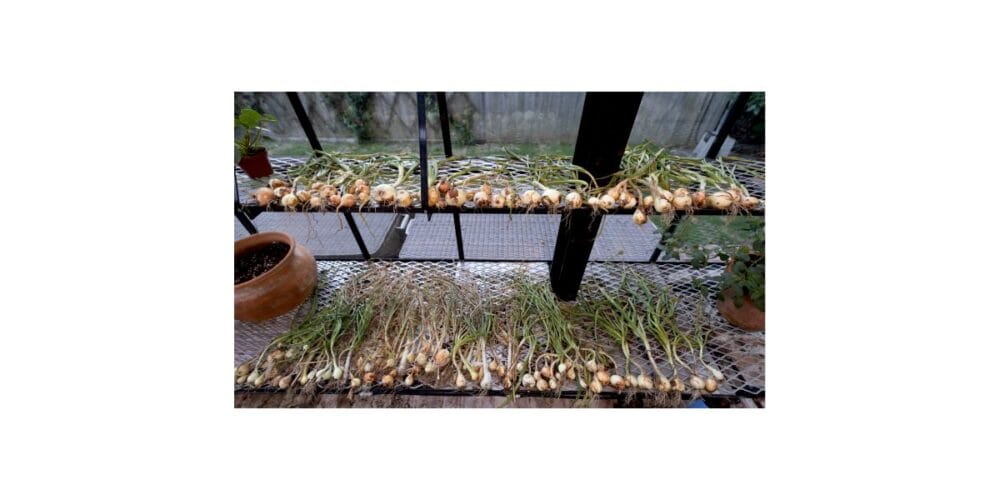
Proper curing improves flavor and shelf life.
- Lay onions in a dry, shaded, well-ventilated area
- Cure for 2–3 weeks
- Trim roots and cut tops to 1 inch
Store onions in mesh bags or baskets in a cool, dry place. Properly cured onions can last 4–6 months.
Common Mistakes to Avoid
- Planting too late in the season
- Overwatering during bulb formation
- Using excess nitrogen fertilizer
- Poor weed control
- Harvesting too early
Avoiding these mistakes will ensure bigger, healthier onions.
Final Thoughts
Growing your own organic onions is simple, satisfying, and highly productive. With the right variety, proper soil preparation, and organic care, you can enjoy a steady supply of flavorful onions straight from your garden. Whether you’re a beginner or an experienced gardener, onions are a must-grow crop that fits beautifully into any organic garden plan.
Start small, follow organic principles, and soon you’ll be harvesting homegrown onions that outperform anything from the market.
Also Read: About How to Grow Your Own Organic Onions on gardenary.com Site