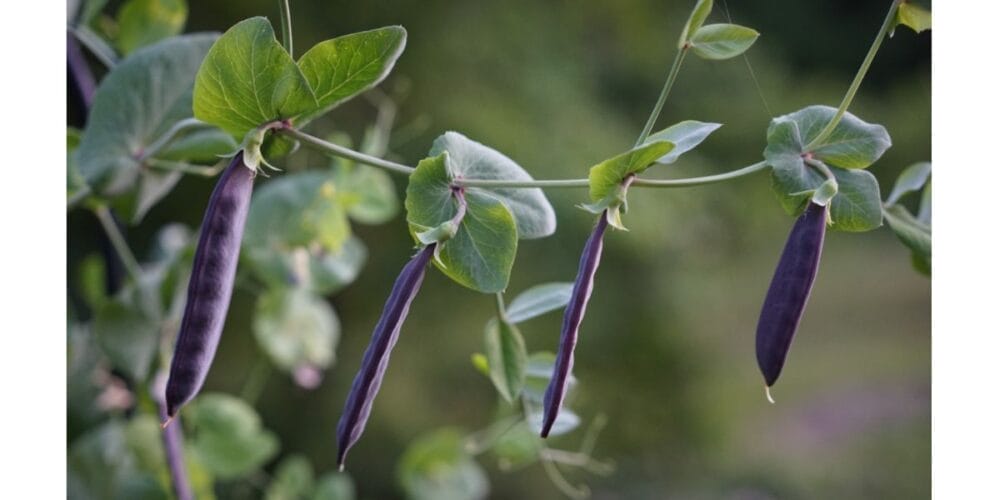
The Complete Guide to Growing & Harvesting Organic Peas
Organic peas are one of the most rewarding crops you can grow in a home kitchen garden. They’re fast-growing, space-efficient, improve soil health, and deliver sweet, nutritious harvests straight from the vine. Whether you’re planting garden peas, snow peas, or sugar snap peas, this complete guide will walk you through everything you need to know—from planting to harvesting—using organic methods.
Table of Contents
Why Grow Organic Peas?
Peas are cool-season legumes that naturally enrich the soil by fixing nitrogen, making them ideal for organic gardening. They’re easy to grow, beginner-friendly, and perfect for small gardens, raised beds, or containers.
Benefits of Growing Organic Peas
- Naturally enrich soil with nitrogen
- Quick harvest (50–70 days)
- High in protein, fiber, and vitamins
- Low maintenance compared to many vegetables
- Excellent crop for succession planting
Types of Peas You Can Grow
Choosing the right pea variety is the first step toward success.
1. Garden Peas (Shelling Peas)
These peas are removed from the pod before eating. They’re sweet and ideal for cooking.
2. Snow Peas
Flat pods harvested before peas mature inside. Popular in stir-fries.
3. Sugar Snap Peas
Edible pods with plump peas inside—sweet, crunchy, and great for fresh eating.
Also Read: How to Grow Organic Carrots in a Raised-Bed Kitchen Garden
Best Time to Plant Organic Peas
Peas thrive in cool weather and struggle in heat.
- Ideal temperature: 10–20°C (50–70°F)
- Planting time: Late winter to early spring
- In warmer regions, peas can also be planted in early autumn
Soil temperatures above 25°C can reduce germination, so timing is crucial.
Soil Preparation for Organic Peas
Healthy soil is key to growing productive pea plants.
Soil Requirements
- Well-drained, loose soil
- pH between 6.0 and 7.5
- Rich in organic matter
Organic Soil Prep Tips
- Mix in well-rotted compost or vermicompost
- Avoid high-nitrogen fertilizers—peas make their own nitrogen
- Add bone meal or rock phosphate for strong root development
How to Plant Pea Seeds
Peas dislike transplanting, so always direct sow.
Planting Steps
- Soak seeds for 6–8 hours to improve germination (optional)
- Sow seeds 2–3 cm deep
- Space seeds 5–7 cm apart
- Keep rows 45–60 cm apart
- Water gently after planting
Seeds typically germinate within 7–14 days.
Also Read: Ginger Farming: A Complete Guide for Profitable Cultivation
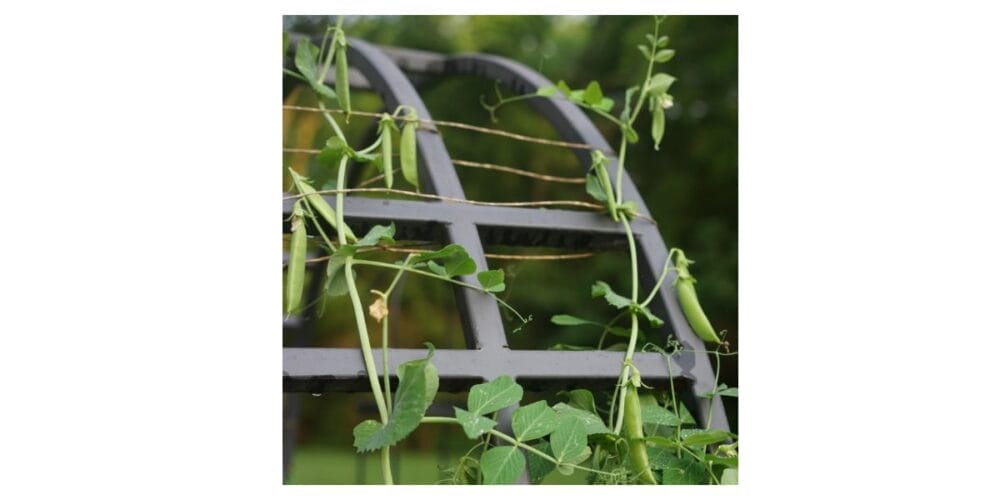
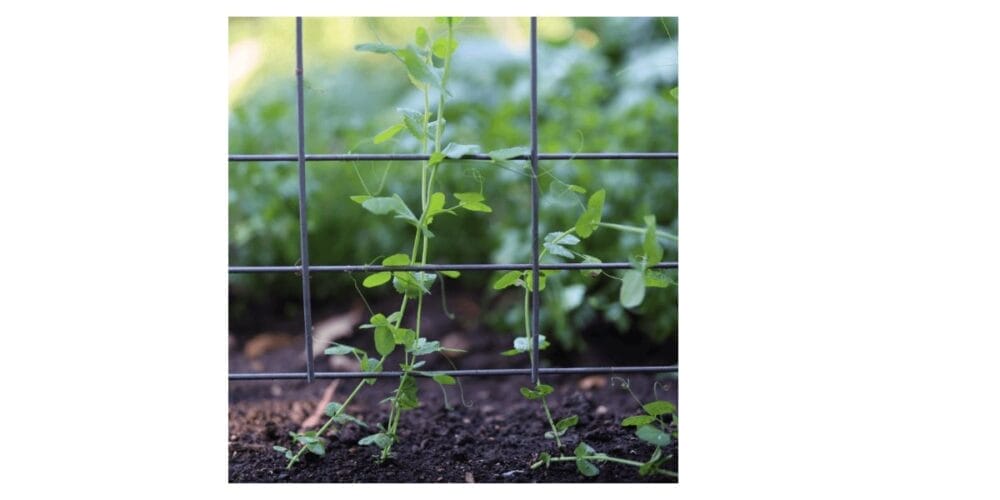
Supporting Pea Plants
Most pea varieties need support to grow upright and produce better yields.
Best Organic Supports
- Bamboo stakes
- Trellises or netting
- Twine between poles
Providing support improves air circulation and makes harvesting easier.
Watering & Mulching Organic Peas

Watering
- Keep soil consistently moist, not waterlogged
- Water deeply once or twice a week
- Increase watering during flowering and pod formation
Mulching
Apply organic mulch such as:
- Straw
- Dry leaves
- Grass clippings
Mulch helps retain moisture, regulate soil temperature, and suppress weeds.
Organic Pest & Disease Management
Peas are relatively pest-resistant, but some issues may arise.
Common Pests
- Aphids
- Pea weevils
- Cutworms
Organic Control Methods
- Neem oil spray
- Soap-water spray
- Encourage beneficial insects like ladybugs
Common Diseases
- Powdery mildew
- Root rot
Prevention Tips
- Avoid overhead watering
- Provide proper spacing
- Rotate crops yearly
When & How to Harvest Peas
Harvesting at the right time ensures the best flavor and encourages more production.
Harvest Timing
- Snow peas: When pods are flat and tender
- Sugar snap peas: When pods are plump but still crisp
- Garden peas: When pods are full but not hard
Harvesting Tips
- Pick peas every 2–3 days
- Use two hands to avoid damaging vines
- Regular harvesting boosts overall yield
Peas taste sweetest when harvested in the morning.
Storing & Using Fresh Peas
- Store unwashed peas in the refrigerator for up to 5 days
- Shell garden peas just before use
- Blanch and freeze excess peas for long-term storage
Fresh organic peas are perfect for salads, curries, soups, and stir-fries.
Also Read: Are Radishes Really All That Good for You?
Saving Pea Seeds for Next Season
To save seeds:
- Leave pods on the plant until fully dry
- Shell and dry peas thoroughly
- Store in airtight containers in a cool, dry place
Properly stored seeds remain viable for 2–3 years.
Final Thoughts
Growing and harvesting organic peas is a satisfying experience that rewards you with fresh, nutritious produce while improving your garden soil. With minimal care, proper timing, and organic practices, peas can become one of the most productive crops in your kitchen garden. Whether you’re a beginner or an experienced gardener, peas are a must-grow vegetable that delivers big benefits in a short time.
Happy organic gardening!
Also Read: About The Complete Guide to Growing & Harvesting Organic Peas on gardenary.com Site
-

-

-

-

-

-
-

-

-

-

-

-

-

-

-

-

-
-

-

-

-
-
-
-
-
-
-
-
-
-

-
-
-
-

-
-

-
-

-
-

-

-

-
-

-

-

-

-

-
-