How to Grow Your Own Organic Broccoli
Broccoli is one of the most nutritious vegetables you can grow at home, packed with vitamins A, C, K, fiber, and powerful antioxidants. The good news is that growing organic broccoli in your kitchen garden is easier than you might think. With the right timing, soil preparation, and care, you can enjoy crisp, chemical-free broccoli straight from your garden. This complete guide will walk you through every step of growing your own organic broccoli successfully.
Table of Contents
Why Grow Organic Broccoli at Home?
Growing broccoli organically gives you full control over what goes into your food. You avoid synthetic pesticides and fertilizers while enjoying fresher, better-tasting produce. Organic broccoli plants are also safer for pollinators, improve soil health, and reduce your household’s environmental footprint. Plus, homegrown broccoli is harvested at peak freshness, preserving maximum nutrients.
Choosing the Right Broccoli Variety

Selecting the right variety is the first step to success. Some broccoli varieties perform better in home gardens and different climates.
Popular organic broccoli varieties include:
- Calabrese Broccoli: A classic variety with large central heads and side shoots.
- Green Magic: Heat-tolerant and ideal for warmer regions.
- Purple Sprouting Broccoli: Produces multiple tender shoots instead of a single head.
- Waltham 29: Cold-hardy and perfect for cooler growing seasons.
Choose certified organic seeds whenever possible to ensure a chemical-free start.
Also Read: Why Tomato Cages Are Actually Terrible
When to Plant Broccoli
Broccoli is a cool-season crop and grows best in mild temperatures.
- Spring planting: Start seeds indoors 4–6 weeks before the last frost.
- Fall planting: Sow seeds in late summer for a fall or early winter harvest.
Ideal growing temperatures range between 15–22°C (60–72°F). High heat can cause broccoli to bolt or produce loose heads, so timing is crucial.
Preparing the Soil Organically

Healthy soil is the foundation of organic broccoli cultivation. Broccoli is a heavy feeder and thrives in fertile, well-draining soil.
Soil requirements:
- Rich in organic matter
- Slightly acidic to neutral pH (6.0–7.0)
- Loose and well-aerated
Before planting, mix in well-rotted compost or aged farmyard manure. Adding vermicompost improves microbial activity and nutrient availability. Avoid fresh manure, as it can burn young plants.
Planting Broccoli Seeds or Seedlings
You can grow broccoli either by direct sowing or transplanting seedlings.
Seed starting tips:
- Sow seeds 1–1.5 cm deep.
- Maintain consistent moisture for germination.
- Seeds usually germinate within 5–10 days.
Transplanting seedlings:
- Transplant when seedlings are 10–15 cm tall.
- Space plants 45–60 cm apart.
- Water thoroughly after transplanting to reduce shock.
Provide full sun exposure (at least 6 hours daily) for best growth.
Watering and Mulching
Broccoli needs consistent moisture to develop firm heads.
- Water deeply 2–3 times a week.
- Avoid water stress, which can cause bitterness and poor head formation.
Apply organic mulch such as straw, dried leaves, or grass clippings around plants. Mulching conserves moisture, suppresses weeds, and keeps soil temperatures stable.
Also Read: Your Quick & Easy Guide to Growing Potatoes in Raised Beds
Organic Fertilization Schedule
Since broccoli is nutrient-hungry, regular feeding is essential.
Organic feeding options:
- Compost tea every 2–3 weeks
- Vermicompost side-dressing
- Neem cake or mustard cake for slow-release nutrients
Avoid excess nitrogen, which can lead to leafy growth with small or delayed heads. Balanced nutrition ensures healthy plant development and better yields.
Managing Pests and Diseases Naturally
Common broccoli pests include aphids, cabbage worms, and flea beetles.
Organic pest control methods:
- Hand-pick caterpillars early in the morning.
- Spray neem oil or garlic-chili solution every 7–10 days.
- Use insect netting to prevent egg-laying by butterflies.
To prevent diseases like downy mildew or clubroot:
- Practice crop rotation.
- Ensure proper drainage.
- Avoid overcrowding plants.
Healthy soil and good airflow greatly reduce disease pressure.
Harvesting Broccoli Properly
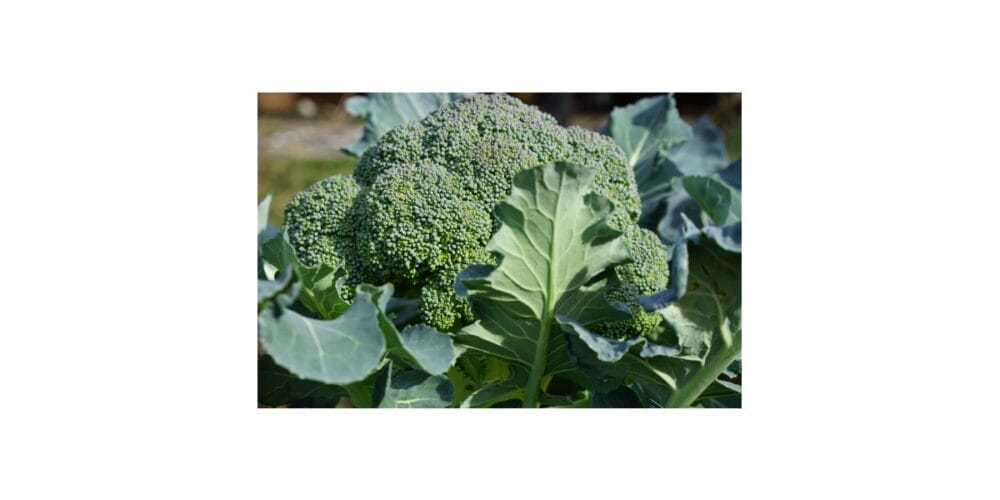
Broccoli is ready to harvest when the central head is firm, compact, and deep green.
- Harvest before flowers start opening.
- Cut the main head with a sharp knife, leaving the plant intact.
Most varieties will continue producing side shoots after the main head is harvested, extending your harvest period by several weeks.
Also Read: The Complete Guide to Growing Beets from Seed to Harvest
Storing and Using Homegrown Broccoli
Freshly harvested broccoli can be stored in the refrigerator for up to a week. For longer storage, blanch and freeze florets. Homegrown organic broccoli is perfect for stir-fries, soups, salads, and steaming.
Final Thoughts
Growing your own organic broccoli is a rewarding experience that delivers both health benefits and gardening satisfaction. With proper timing, rich soil, regular watering, and organic pest management, you can enjoy abundant harvests without relying on chemicals. Whether you’re a beginner or an experienced gardener, broccoli is a versatile and valuable addition to any organic kitchen garden. Start planting today and enjoy farm-fresh nutrition right at home.
Also Read: About How to Grow Your Own Organic Broccoli on gardenary.com Site
-

-

-

-

-

-
-

-

-

-

-

-

-

-

-

-

-
-

-

-

-
-
-
-
-
-
-
-
-
-

-
-
-
-

-
-

-
-

-
-

-

-

-
-

-

-

-

-

-
-