How Can We Control Cabbage Loopers
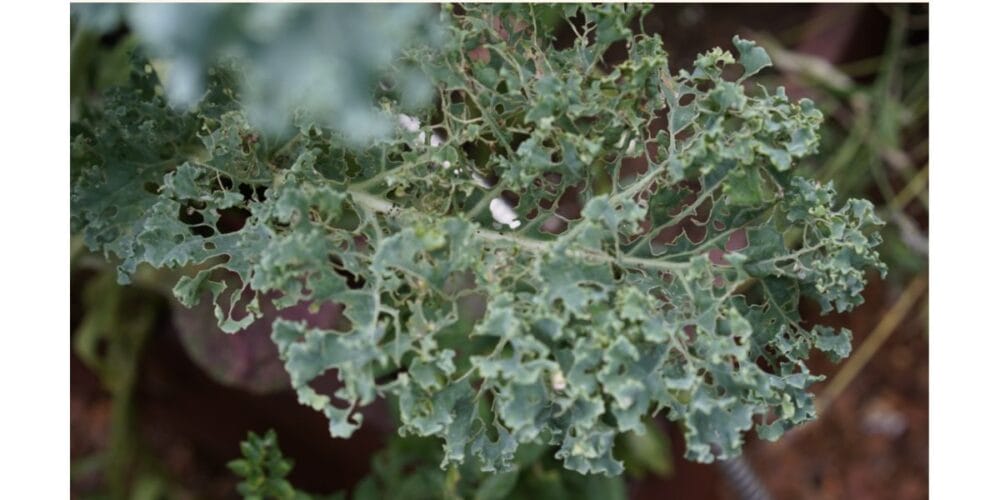
If you grow cabbage, broccoli, cauliflower, kale, or other leafy greens, you may have encountered a sneaky garden pest that leaves ragged holes in leaves almost overnight. These culprits are often cabbage loopers—one of the most common and destructive pests in vegetable gardens. Understanding what cabbage loopers are and how to control them effectively can save your crops and keep your garden thriving.
What Are Cabbage Loopers?
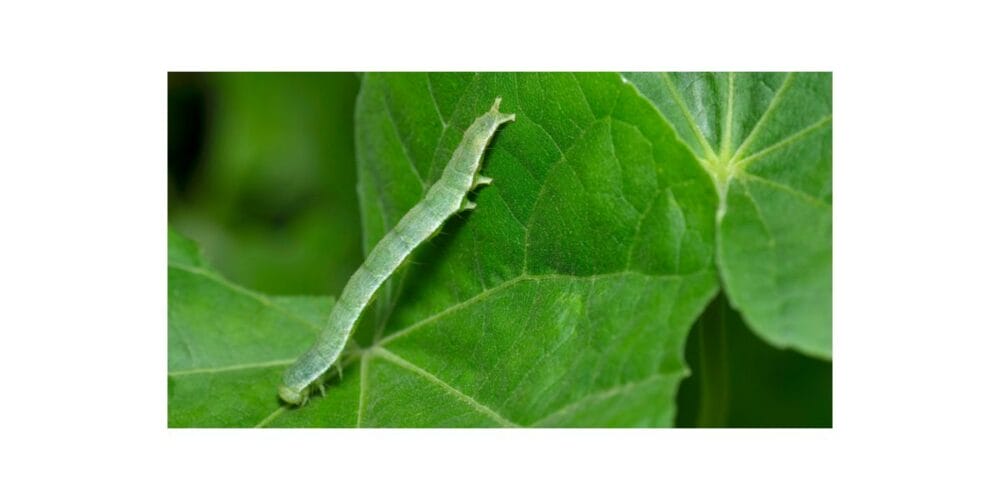
Cabbage loopers are the larvae (caterpillars) of a moth called Trichoplusia ni. The adult moth is grayish-brown and harmless, but its offspring can cause serious damage to brassica crops. The larvae get their name from the way they move—arching their bodies into a loop as they crawl.
Cabbage looper caterpillars are light green, smooth, and about 1–1.5 inches long when mature. Because their color blends in with leaves, they can be difficult to spot, especially on dense plants like cabbage and cauliflower.
Plants Most Affected by Cabbage Loopers
Cabbage loopers mainly attack plants in the brassica family, including:
- Cabbage
- Broccoli
- Cauliflower
- Kale
- Collards
- Brussels sprouts
- Mustard greens
They may also feed on lettuce, spinach, peas, and other leafy vegetables when populations are high.
Also Read: Cabbage Cultivation: A Complete Guide for Successful Farming
Signs of a Cabbage Looper Infestation
Early detection is key to controlling cabbage loopers. Watch for these common signs:
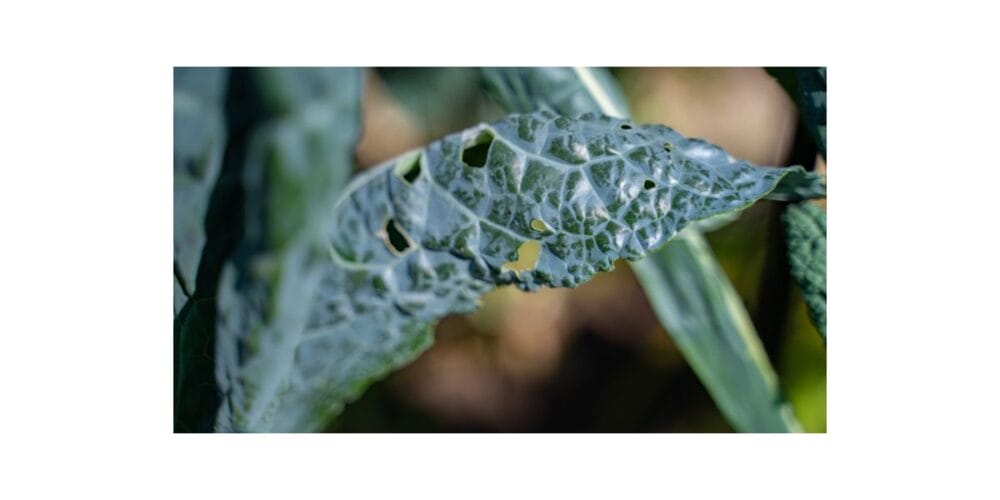
- Irregular holes in leaves, especially between veins
- Chewed leaf edges
- Dark green droppings (frass) on leaves
- Visible green caterpillars on the underside of leaves
Young plants are especially vulnerable, as heavy feeding can stunt growth or even kill seedlings.
Why Are Cabbage Loopers a Problem?
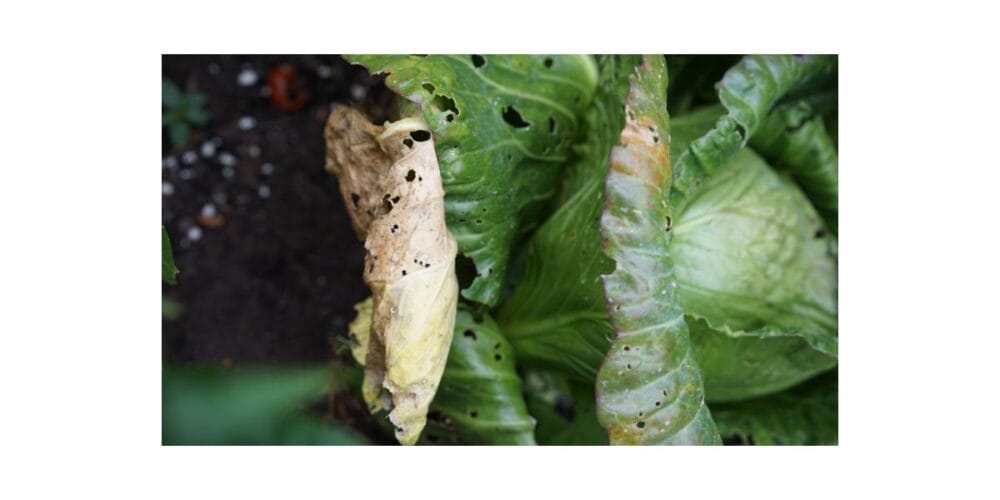
Cabbage loopers feed aggressively and reproduce quickly. A single female moth can lay hundreds of eggs on plant leaves. Since caterpillars feed continuously, they can skeletonize leaves, reduce photosynthesis, and ruin the appearance of edible greens. For crops like cabbage or broccoli, looper damage can directly affect head formation and yield.
Also Read: How to Grow Your Own Organic Broccoli
How to Control Cabbage Loopers Naturally
Fortunately, cabbage loopers can be managed effectively using organic and eco-friendly methods.
1. Handpicking
For small gardens, handpicking is one of the simplest and most effective solutions. Check plants regularly, especially the undersides of leaves, and remove caterpillars by hand. Drop them into soapy water to eliminate them.
2. Use Row Covers
Floating row covers act as a physical barrier, preventing adult moths from laying eggs on plants. Install covers early in the season, before pests appear, and secure the edges well. Remove covers during flowering if pollination is required.
3. Encourage Beneficial Insects
Natural predators help keep cabbage looper populations under control. Beneficial insects include:
- Ladybugs
- Lacewings
- Parasitic wasps
- Birds
Planting flowers like dill, fennel, alyssum, and marigolds nearby can attract these helpful allies.
4. Apply Neem Oil
Neem oil is an effective organic insecticide that disrupts feeding and growth in cabbage loopers. Spray neem oil on affected plants, covering both sides of the leaves. Apply in the early morning or evening to avoid harming pollinators.
5. Bacillus thuringiensis (Bt)
Bt is a naturally occurring soil bacterium and one of the most effective organic controls for cabbage loopers. When caterpillars ingest Bt, it stops their feeding and causes death within a few days. Bt is safe for humans, pets, and beneficial insects when used correctly.
Chemical Control: When Is It Necessary?
Chemical insecticides should be a last resort, especially in kitchen gardens. If infestation is severe and other methods fail, choose selective insecticides labeled for caterpillars and follow instructions carefully. Avoid broad-spectrum chemicals, as they can kill beneficial insects and worsen pest problems in the long run.
Also Read: Diseases of Sugarcane: Causes, Symptoms, and Management
Preventing Cabbage Looper Problems
Prevention is always better than cure. Here are some proactive steps to keep cabbage loopers away:
- Rotate crops each season to disrupt pest life cycles
- Remove plant debris after harvest
- Inspect transplants before planting
- Maintain healthy soil to support strong plant growth
- Space plants properly for good airflow
Healthy plants are better able to tolerate minor pest damage without significant yield loss.
Final Thoughts
Cabbage loopers may be common, but they don’t have to ruin your garden. By learning to recognize them early and using a combination of natural control methods—such as handpicking, row covers, beneficial insects, and organic sprays—you can protect your leafy greens effectively. With regular monitoring and preventive care, your cabbage and other brassicas can grow strong, healthy, and looper-free all season long.
Happy gardening!
Also Read: About Cabbage Loopers: What Are They and How Can You Control Them on gardenary.com Site
-

-

-
-
-
-
-
-

-
-
-
-
-
-
-

-
-
-
-

-

-
-
-
-
-

-
-
-
-
-
-
-
-
-
-
-
-
-

-
-

-

-

-
-

-

-

-
-
-
-