How to Care for Lucky Bamboo
Lucky bamboo (Dracaena sanderiana) is one of the most popular indoor plants, known for its elegant appearance, low maintenance, and positive symbolism. Despite its name, lucky bamboo is not a true bamboo; it belongs to the Dracaena family.
It is widely believed to bring good luck, prosperity, and positive energy, especially in homes and offices. Caring for lucky bamboo is simple, but it still requires proper attention to light, water, and nutrients.
This guide explains everything you need to know to keep your lucky bamboo healthy and thriving.
Table of Contents
Understanding Lucky Bamboo Growth
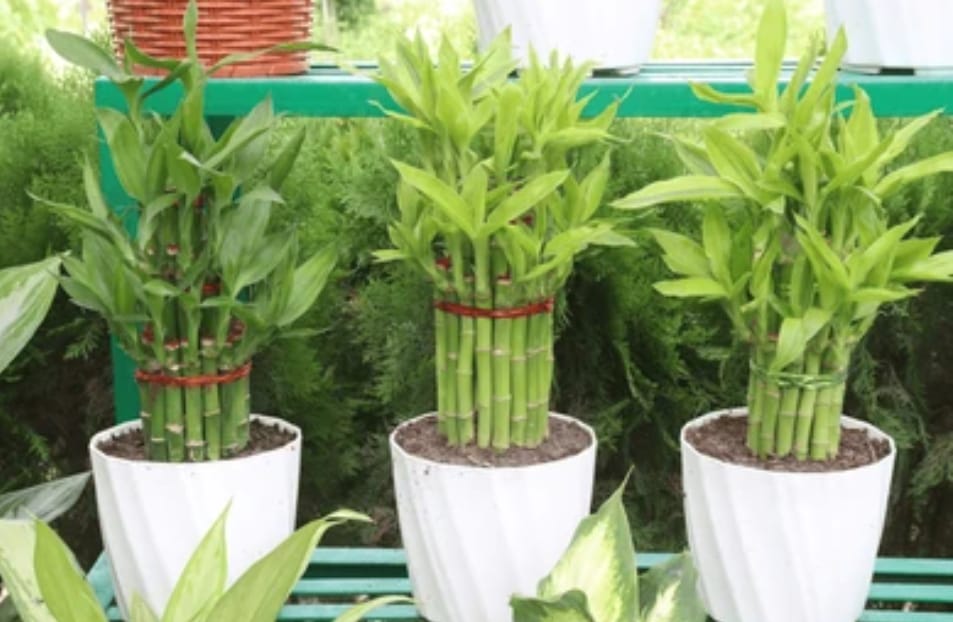
Lucky bamboo can grow in water or soil, making it extremely versatile. In water, it develops a clean and minimalist look, while soil-grown plants grow faster and become sturdier. The plant has segmented green stalks with narrow leaves that grow upward. When properly cared for, lucky bamboo can live for many years indoors.
Light Requirements
Lucky bamboo prefers bright, indirect sunlight. Direct sunlight can scorch its leaves, causing them to turn yellow or brown. Place the plant near a window with filtered light or in a well-lit room. Low light conditions are tolerated, but growth may slow down and leaves may lose vibrancy. Avoid placing the plant under harsh artificial lighting for long hours.
Watering and Water Quality
Water is one of the most important aspects of lucky bamboo care.
- If grown in water, keep the roots submerged at all times.
- Change the water every 7–10 days to prevent bacterial growth.
- Use filtered, distilled, or rainwater whenever possible.
Lucky bamboo is sensitive to chlorine and fluoride commonly found in tap water. If tap water is the only option, allow it to sit uncovered for 24 hours before use to let chemicals evaporate.
For soil-grown lucky bamboo, water when the topsoil feels slightly dry. Avoid overwatering, as soggy soil can cause root rot.

Also Read: Top 10 Plants That Grow in Water
Container and Pebbles
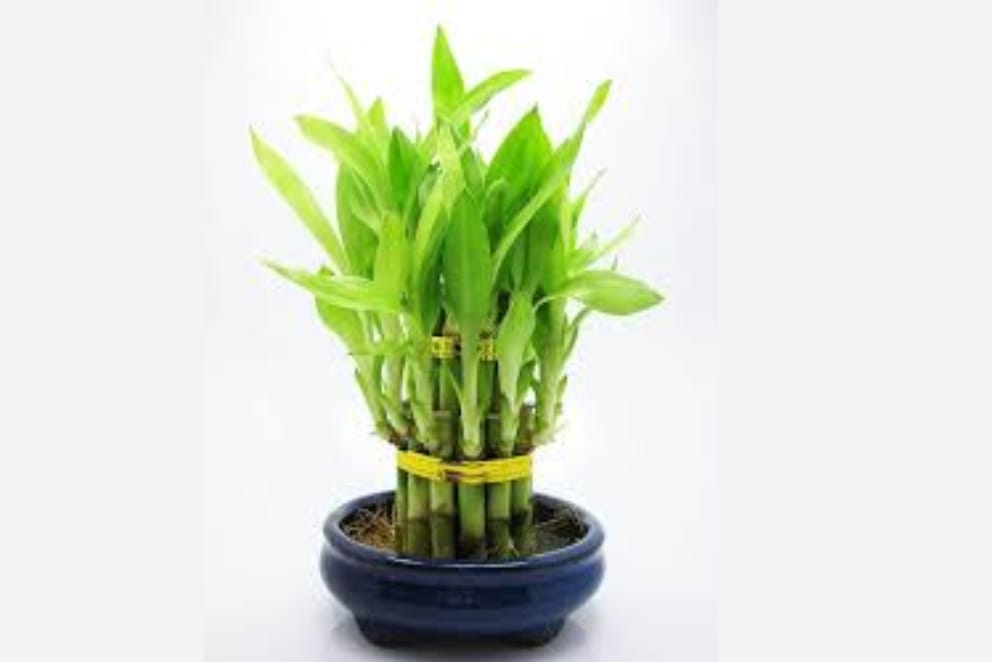
For water-grown lucky bamboo, place the stalks in a glass or ceramic container with clean pebbles. The pebbles provide support and help keep the plant upright. Wash pebbles regularly to prevent algae and odor buildup. Ensure the container is clean and free from soap residue.
Soil Requirements
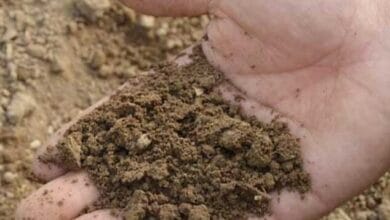
If you choose to grow lucky bamboo in soil, use well-draining, nutrient-rich potting mix. The soil should stay slightly moist but never waterlogged. A pot with drainage holes is ideal to prevent excess water accumulation.
Temperature and Humidity
Lucky bamboo thrives in warm indoor temperatures between 18°C and 30°C. Protect the plant from cold drafts, air conditioners, and heaters. Sudden temperature changes can stress the plant.
Moderate humidity is sufficient, but the plant benefits from occasional misting, especially in dry climates. Wiping leaves with a damp cloth also helps remove dust and improves photosynthesis.
Fertilizing Lucky Bamboo
Lucky bamboo does not require frequent feeding. Over-fertilization can damage the roots and cause yellowing of leaves.
- Use a diluted liquid fertilizer once every 2–3 months.
- For water-grown plants, use fertilizers specifically designed for lucky bamboo or hydroponic plants.
- Never add fertilizer directly to stagnant water without dilution.
Also Read: Top 7 Organic Fertilisers for Coconut Trees
Pruning and Shaping
Pruning helps maintain shape and encourages healthy growth. Trim yellow or damaged leaves using clean scissors. If the plant becomes too tall, you can cut the stalk above a node; new shoots will emerge from the cut area. Lucky bamboo is often shaped into spirals using controlled light exposure over time.
Common Problems and Solutions
- Yellow leaves: Caused by too much sunlight, poor water quality, or excess fertilizer.
- Brown leaf tips: Result from dry air or chemical-laden water.
- Soft or mushy stalks: A sign of root rot; remove affected stalks immediately to protect healthy ones.
Feng Shui Significance
Lucky bamboo is widely used in Feng Shui. The number of stalks has symbolic meaning:
- 2 stalks: Love and relationships
- 3 stalks: Happiness, wealth, and long life
- 5 stalks: Health
- 8 stalks: Growth and prosperity
- 9 stalks: Good fortune
Avoid arrangements with four stalks, as the number four is associated with bad luck in many cultures.
Frequently Asked Questions (FAQ)
1. Can lucky bamboo grow only in water?
No, lucky bamboo can grow in both water and soil. Water-grown plants need more attention to cleanliness, while soil-grown plants grow faster.
2. How often should I change the water?
Change the water every 7–10 days to keep roots healthy and prevent algae growth.
3. Why are my lucky bamboo leaves turning yellow?
Yellow leaves usually indicate excess sunlight, poor water quality, or over-fertilization.
4. Can lucky bamboo survive in low light?
Yes, it can survive in low light, but growth will be slower and leaves may appear pale.
5. Is lucky bamboo safe for pets?
No, lucky bamboo is toxic to cats and dogs if ingested. Keep it out of reach of pets.
6. How long does lucky bamboo live?
With proper care, lucky bamboo can live for many years indoors.
7. Do I need to fertilize lucky bamboo?
Fertilization is optional and should be done sparingly, about once every 2–3 months.
Also Read: General Cultivation Practices
-

-

-
-

-

-

-

-

-

-
-

-

-

-

-

-

-

-
-

-

-
-
-
-
-

-
-
-
-

-
-

-

-
-

-
-
-
-

-
-

-

-

-
-

-

-

-

-

-

-