How to Grow Pole Beans in an Organic Kitchen Garden
Pole beans are one of the easiest and most rewarding vegetables you can grow in an organic kitchen garden. Unlike bush beans, pole beans grow vertically, producing a steady harvest over a longer period while taking up very little ground space. They’re fast-growing, highly productive, and naturally enrich the soil by fixing nitrogen. Whether you’re gardening in a backyard, raised bed, or large containers, pole beans are an excellent choice for organic growers.
This guide will walk you through everything you need to know—from planting to harvest—to grow healthy pole beans organically.
Table of Contents
Why Choose Pole Beans for Your Kitchen Garden?
Pole beans offer several advantages over other vegetables:
- High yields in small spaces due to vertical growth
- Long harvesting season, often 6–8 weeks or more
- Improves soil fertility by fixing nitrogen
- Low maintenance and beginner-friendly
- Excellent taste and nutrition, especially when homegrown
Popular pole bean varieties include Blue Lake, Kentucky Wonder, Yardlong Beans, Scarlet Runner Beans, and Purple Podded Pole Beans.
Ideal Growing Conditions for Pole Beans

Sunlight
Pole beans thrive in full sun, requiring at least 6–8 hours of direct sunlight daily. More sun equals better flowering and pod production.
Soil
Healthy soil is the foundation of organic gardening. Pole beans prefer:
- Well-drained, loose soil
- Rich in organic matter
- Slightly acidic to neutral pH (6.0–7.0)
Before planting, enrich the soil with well-rotted compost or vermicompost. Avoid excessive nitrogen, as it encourages leaf growth at the expense of beans.
Also Read: How to Grow Your Own Organic Broccoli
When and How to Plant Pole Beans
Best Time to Plant
Pole beans are warm-season crops. Sow seeds:
- After the last frost
- When soil temperatures reach 18–24°C (65–75°F)
In warmer regions, multiple successions can be planted throughout the growing season.
Planting Method
- Sow seeds directly in the soil (beans don’t transplant well)
- Plant seeds 1 inch deep
- Space seeds 4–6 inches apart
- Keep rows or trellis bases 2–3 feet apart
Water gently after planting and keep soil consistently moist until germination, which usually takes 7–10 days.
Providing Support: Trellises and Structures

Pole beans need sturdy support to climb. Without it, plants can become tangled and produce fewer pods.
Organic Support Options
- Bamboo poles arranged as a teepee
- Wooden trellis or fence
- Metal or nylon garden netting
- Recycled materials like old ladders
Install supports before or at planting time to avoid damaging roots later. As vines grow, gently guide them onto the structure.
Watering and Mulching
Watering
Pole beans need consistent moisture, especially during flowering and pod development.
- Water deeply 2–3 times per week
- Avoid overhead watering to reduce disease
- Water early in the morning
Mulching
Apply organic mulch such as straw, dry leaves, or grass clippings to:
- Retain soil moisture
- Suppress weeds
- Keep soil cool
- Improve soil structure over time
Organic Fertilization and Soil Health
Pole beans are light feeders. Too much fertilizer—especially nitrogen—can reduce yields.
Best Organic Nutrients
- Compost or vermicompost at planting
- Occasional liquid feeds like compost tea or seaweed extract
- Wood ash (in moderation) for potassium
Avoid synthetic fertilizers to maintain soil microbial life and long-term fertility.
Also Read: Why Tomato Cages Are Actually Terrible
Common Pests and Organic Control
Pole beans are relatively trouble-free but may attract a few pests.
Common Pests
- Aphids
- Bean beetles
- Spider mites
Organic Solutions
- Spray neem oil or soap solution
- Encourage beneficial insects like ladybugs
- Remove heavily infested leaves
- Practice crop rotation annually
Proper spacing and airflow also reduce disease risks such as powdery mildew.
Harvesting Pole Beans
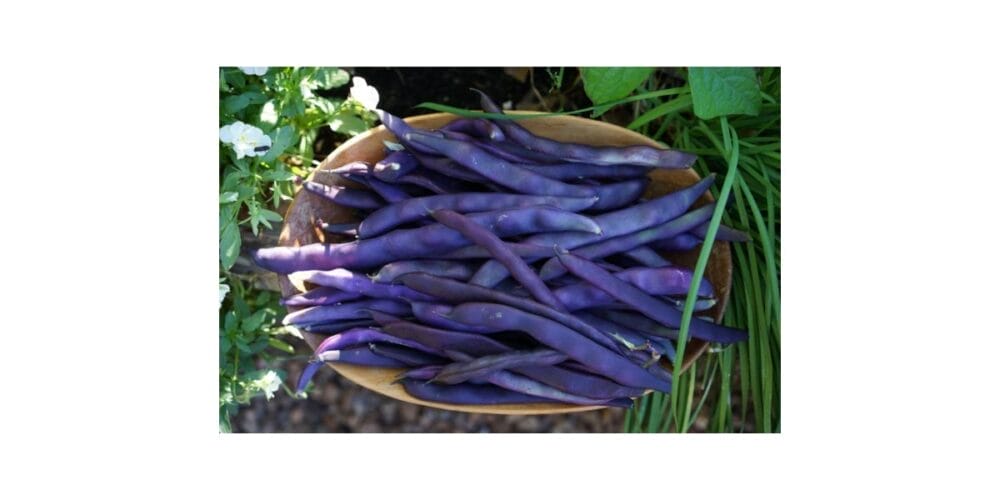
Pole beans are usually ready to harvest 50–65 days after planting.
Harvest Tips
- Pick pods when they’re young, tender, and firm
- Harvest every 2–3 days to encourage continuous production
- Use scissors or gently snap pods off to avoid damaging vines
Regular harvesting keeps plants productive for weeks.
Also Read: How to Grow Your Own Organic Okra
Saving Seeds for the Next Season
To save seeds:
- Leave a few pods on the vine until fully mature and dry
- Harvest and air-dry pods
- Store seeds in a cool, dry place
Seed saving helps preserve strong, locally adapted plants for future seasons.
Final Thoughts
Growing pole beans in an organic kitchen garden is both practical and rewarding. With minimal care, these climbing plants provide abundant harvests, improve soil health, and make excellent use of vertical space. By using organic methods—compost-rich soil, natural pest control, and proper supports—you’ll enjoy fresh, flavorful beans straight from your garden for months.
Whether you’re a beginner or an experienced gardener, pole beans are a must-have crop for a healthy, productive kitchen garden.
Also Read: About How to Grow Pole Beans in an Organic Kitchen Garden on gardenary.com Site
-

-

-

-

-

-
-

-

-

-

-

-

-

-

-

-

-

-

-

-

-
-

-

-
-

-

-
-

-

-

-

-

-

-

-

-

-

-

-

-

-

-

-

-

-

-

-

-

-

-