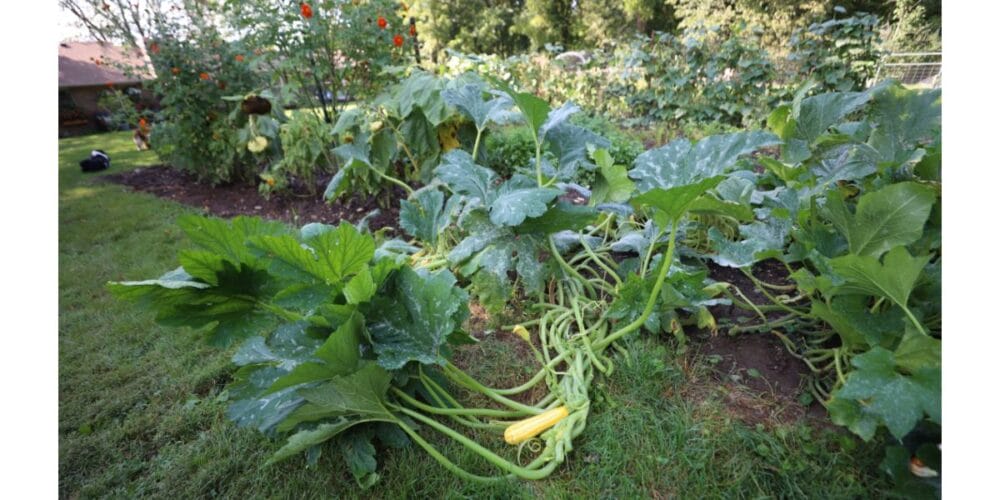
Your Complete Guide to Growing Organic Squash in a Kitchen Garden
Squash is one of the most rewarding vegetables you can grow in a kitchen garden. With fast growth, generous yields, and minimal maintenance, squash plants thrive when grown organically at home. Whether you’re planting zucchini, bottle gourd, pumpkin, or summer squash, this complete guide will walk you through everything you need to know—from soil preparation to harvesting—so you can enjoy fresh, chemical-free squash straight from your garden.
Table of Contents
Why Grow Organic Squash at Home?
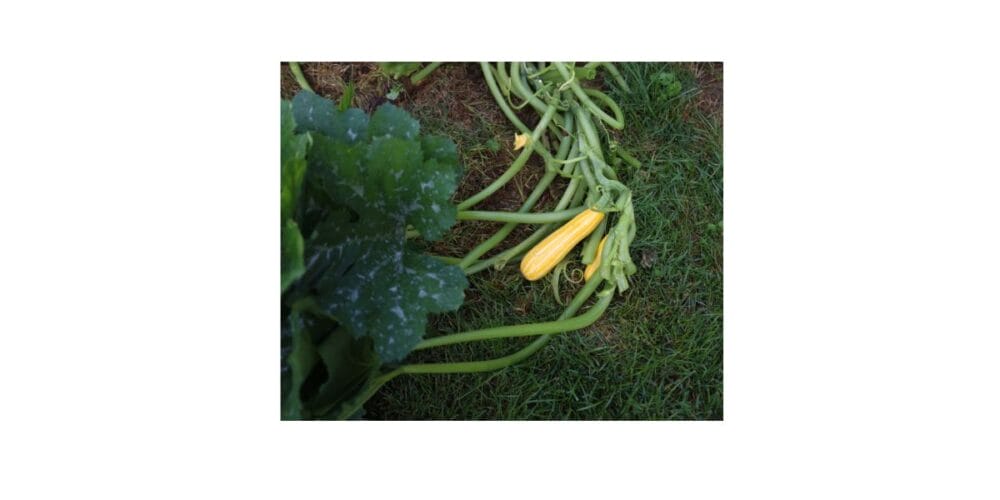
Growing squash organically ensures healthier produce, better soil life, and a safer environment for pollinators. Homegrown organic squash is richer in flavor, free from chemical residues, and cost-effective in the long run. Squash plants are also beginner-friendly, making them ideal for kitchen gardens of all sizes.
Best Types of Squash for a Kitchen Garden
Squash varieties fall into two main categories:
1. Summer Squash
- Zucchini
- Yellow squash
- Pattypan squash
These grow quickly and are harvested young.
2. Winter Squash
- Pumpkin
- Butternut squash
- Ash gourd
- Bottle gourd
These take longer to mature but store well after harvest.
Choose compact or bush varieties if you have limited space.
Also Read: Your Quick & Easy Guide to Growing Potatoes in Raised Beds
Ideal Climate and Growing Season
Squash is a warm-season crop that thrives in temperatures between 18°C and 30°C.
- Best planting time: Late spring to early summer
- Sunlight: 6–8 hours of full sun daily
- Frost sensitivity: Squash plants are frost-sensitive, so plant only after the danger of frost has passed
Soil Preparation for Organic Squash
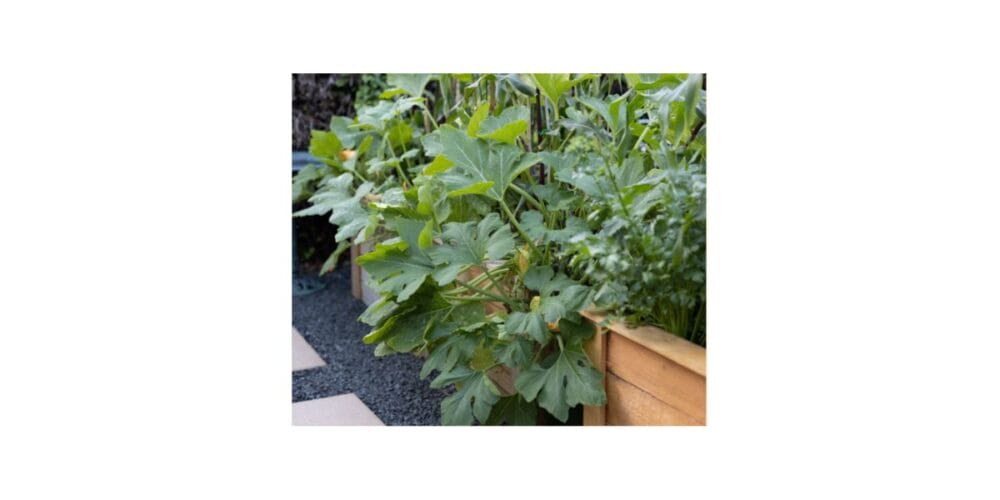
Healthy soil is the foundation of organic gardening.
Soil Requirements
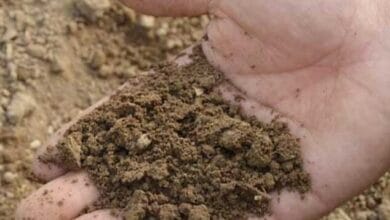
- Loose, well-drained soil
- Rich in organic matter
- Slightly acidic to neutral pH (6.0–7.0)
How to Prepare the Soil
- Mix well-decomposed compost or vermicompost into the soil
- Add neem cake or mustard cake for pest resistance
- Ensure good drainage to prevent root rot
Raised beds or mounds work especially well for squash.
How to Plant Squash Seeds
Squash grows best when sown directly in the soil.
Planting Steps
- Sow seeds 2–3 cm deep
- Space plants 60–90 cm apart
- Water gently after planting
Seeds usually germinate within 7–10 days.
Watering and Mulching
Watering Tips
- Water deeply but avoid waterlogging
- Keep soil consistently moist, especially during flowering and fruiting
- Water early in the morning to reduce disease risk
Mulching Benefits
- Conserves moisture
- Suppresses weeds
- Regulates soil temperature
Use dry leaves, straw, or grass clippings as organic mulch.
Organic Fertilization Schedule
Squash plants are heavy feeders and benefit from regular nutrition.
Best Organic Fertilizers
- Compost tea
- Vermicompost
- Cow dung manure
- Banana peel liquid (for potassium)
Feeding Schedule
- At planting: Compost or vermicompost
- Every 15–20 days: Liquid organic feed
- During flowering: Potassium-rich organic fertilizer
Avoid excess nitrogen, which promotes leaf growth but reduces fruiting.
Also Read: 3 Signs Your Cucumbers Are Ready to Harvest
Pest and Disease Management (Organic Methods)
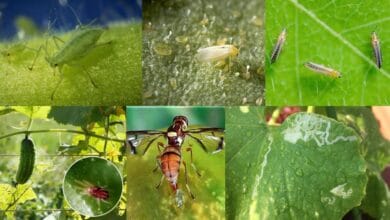
Common pests include aphids, squash borers, and fruit flies.
Organic Pest Control
- Neem oil spray every 7–10 days
- Soap water spray for aphids
- Hand-pick visible pests
- Encourage beneficial insects like ladybugs
Disease Prevention
- Ensure good air circulation
- Avoid overhead watering
- Remove infected leaves immediately
Healthy soil and proper spacing significantly reduce disease issues.
Pollination Tips for Better Yield
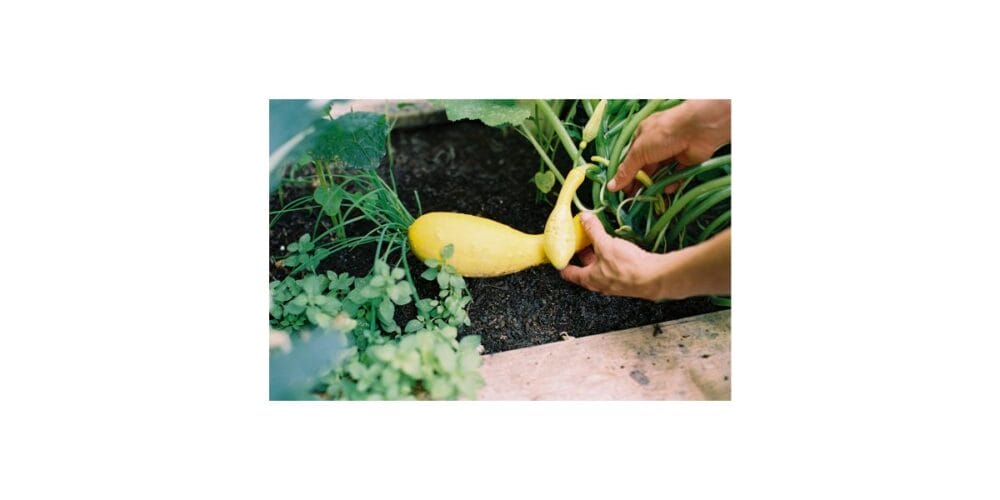
Squash plants produce separate male and female flowers. Pollination is essential for fruit formation.
- Encourage bees by planting flowers nearby
- Avoid chemical sprays
- Hand-pollinate using a soft brush if pollinators are limited
Harvesting Organic Squash
When to Harvest
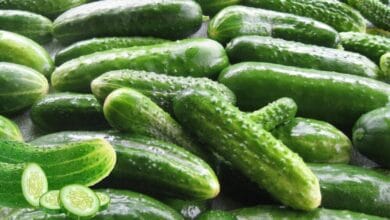
- Summer squash: Harvest when tender and young (15–20 cm long)
- Winter squash: Harvest when skin hardens and color deepens
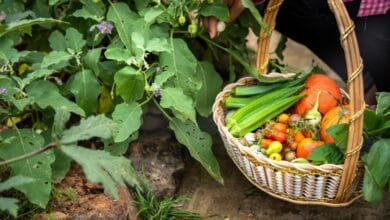
Use a sharp knife to cut fruits, leaving a short stem attached.
Regular Harvesting
Frequent harvesting encourages the plant to produce more fruits.
Also Read: 6 Types of Gourd Vegetables and Their Health Benefits
Storage and Use
- Summer squash is best used fresh within a few days
- Winter squash can be stored in a cool, dry place for months
Organic squash can be used in curries, stir-fries, soups, and baked dishes.
Final Thoughts
Growing organic squash in your kitchen garden is simple, sustainable, and incredibly satisfying. With proper soil preparation, regular feeding, and organic pest control, you can enjoy a continuous harvest of healthy, chemical-free squash. Whether you’re a beginner or an experienced gardener, squash is a must-have crop that delivers high yields with minimal effort.
Start planting today, and let your kitchen garden reward you with fresh, organic goodness all season long.
Also Read: About Your Complete Guide to Growing Organic Squash in a Kitchen Garden on gardenary.com Site
-

-

-
-
-
-

-

-

-
-
-
-

-

-

-

-

-

-
-

-

-
-

-

-
-

-

-
-

-

-

-

-

-
-

-

-

-

-

-
-

-

-

-

-

-

-

-

-

-

-