What Does My Gardening Zone Mean?
If you’ve ever picked up a seed packet or plant label and noticed something like “Hardy to Zone 9” or “Best for Zones 4–8,” you might have wondered what that actually means. Gardening zones are one of the most useful tools for gardeners—but they’re also widely misunderstood. Knowing your gardening zone can help you choose the right plants, plant at the right time, and avoid unnecessary losses. Let’s break it down in simple terms.
Table of Contents
What Is a Gardening Zone?

A gardening zone—more accurately called a plant hardiness zone—is a geographic area defined by its average annual minimum winter temperature. These zones help gardeners understand which plants are most likely to survive the winter in a specific location.
The most widely used system is the USDA Plant Hardiness Zone Map, which divides regions into zones numbered from 1 (coldest) to 13 (warmest). Each zone represents a 10°F (about 5.5°C) difference in average minimum winter temperatures. Zones are further divided into “a” and “b” subzones to provide more precision.
In simple terms:
Your gardening zone tells you how cold it usually gets where you live.
Also Read: Why Tomato Cages Are Actually Terrible
Why Gardening Zones Matter
Plants have natural limits when it comes to cold tolerance. A plant that thrives in a warm climate may not survive a harsh winter, while a cold-hardy plant may struggle in tropical heat. Gardening zones help you:
- Choose plants that can survive winter in your area
- Reduce plant losses due to cold damage
- Plan perennial gardens more confidently
- Make smarter investments in trees, shrubs, and ornamentals
If a plant is labeled “Hardy to Zone 6,” it means it can survive winters where temperatures drop to what Zone 6 typically experiences—but not much colder.
How to Find Your Gardening Zone
Finding your gardening zone is easy. Most gardeners determine their zone by entering their ZIP code or location into an online zone map. The result tells you which hardiness zone you’re in and often provides details about temperature ranges.
Keep in mind that zones are based on long-term climate averages, not single extreme events. An unusually cold winter can still damage plants even if they’re technically suited to your zone.
What Gardening Zones Do Not Tell You

One of the biggest misconceptions is that gardening zones tell you everything about how to grow a plant. They don’t. Gardening zones only account for minimum winter temperatures—nothing else.
They do not factor in:
- Summer heat intensity
- Humidity levels
- Rainfall or drought conditions
- Soil type or fertility
- Wind exposure
- Day length or sunlight hours
For example, two places in the same zone can have completely different growing conditions. That’s why it’s important to combine zone information with local gardening knowledge.
Gardening Zones and Annual vs. Perennial Plants
Understanding the difference between annuals and perennials helps make sense of zones.
- Annual plants complete their life cycle in one season. Zones matter less for them because they don’t need to survive winter. Examples include tomatoes, marigolds, and zinnias.
- Perennial plants return year after year. For these, gardening zones are critical. If a perennial isn’t hardy in your zone, it won’t survive the winter outdoors.
Some plants are grown as annuals in colder zones but act as perennials in warmer ones. For example, peppers are perennials in warm climates but grown as annuals in cooler regions.
Also Read: How to Grow Bay Laurel at Home: A Complete Guide for Beginners
Microclimates: Why Your Yard Might Be Different
Even within the same gardening zone, conditions can vary widely due to microclimates—small areas with slightly different temperatures.
Common microclimates include:
- Areas near south-facing walls (warmer)
- Low-lying spots where cold air settles (colder)
- Urban gardens that retain heat
- Sheltered courtyards protected from wind
A sheltered balcony or backyard corner may allow you to grow plants rated for a slightly warmer zone, while exposed areas may need extra protection.
Gardening Zones in Different Countries
While the USDA system is widely referenced, many countries use their own climate-based gardening guides. However, the USDA zones are still commonly used worldwide as a general reference, especially in plant catalogs and online resources.
If you’re gardening outside the U.S., treat zone recommendations as a guideline, not a strict rule, and rely on local extension services or experienced gardeners for more accurate advice.
How to Use Gardening Zones Wisely
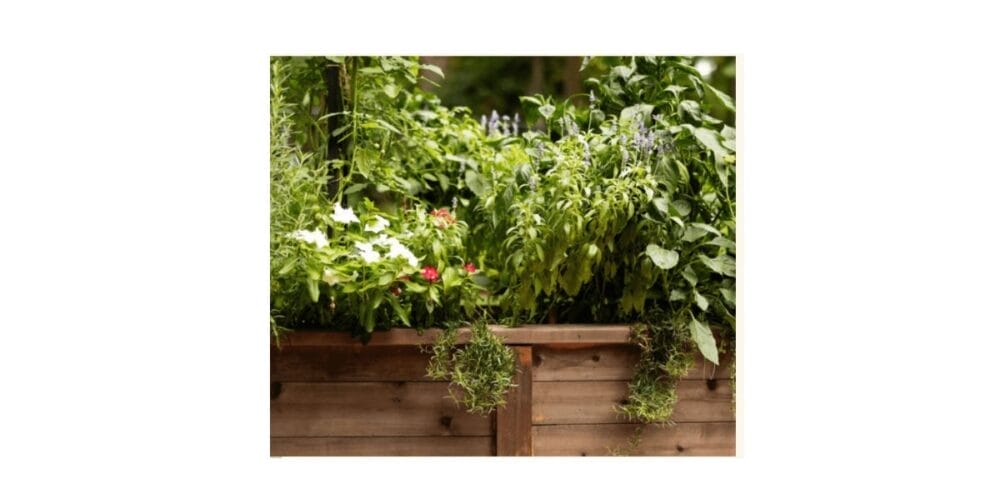
To get the most benefit from gardening zones:
- Use them as a starting point, not the final decision
- Combine zone information with local climate knowledge
- Pay attention to plant labels that mention both cold and heat tolerance
- Experiment carefully with borderline plants using protection like mulch or frost covers
Experienced gardeners often push zone limits successfully—but they do so with planning, observation, and a willingness to learn from failures.
Also Read: 6 Essential Gardening Tools for Beginner and Advanced Gardeners
Final Thoughts
Your gardening zone is a powerful tool that helps you understand your climate’s cold limits and choose plants more wisely. While it doesn’t tell you everything about growing conditions, it provides a solid foundation for building a healthy, resilient garden. When combined with knowledge of your soil, sunlight, and local weather patterns, your gardening zone becomes a reliable guide—not a restriction—on your gardening journey.
Understanding what your gardening zone means puts you one step closer to growing plants that thrive, season after season.
Also Read: About What Does My Gardening Zone Mean? on gardenary.com Site
-

-

-

-

-

-
-

-

-

-

-

-

-

-

-

-

-
-

-
-

-
-
-
-
-
-
-
-
-
-

-
-
-
-

-
-

-
-

-
-

-

-

-
-

-

-

-

-

-
-