Spider Plant
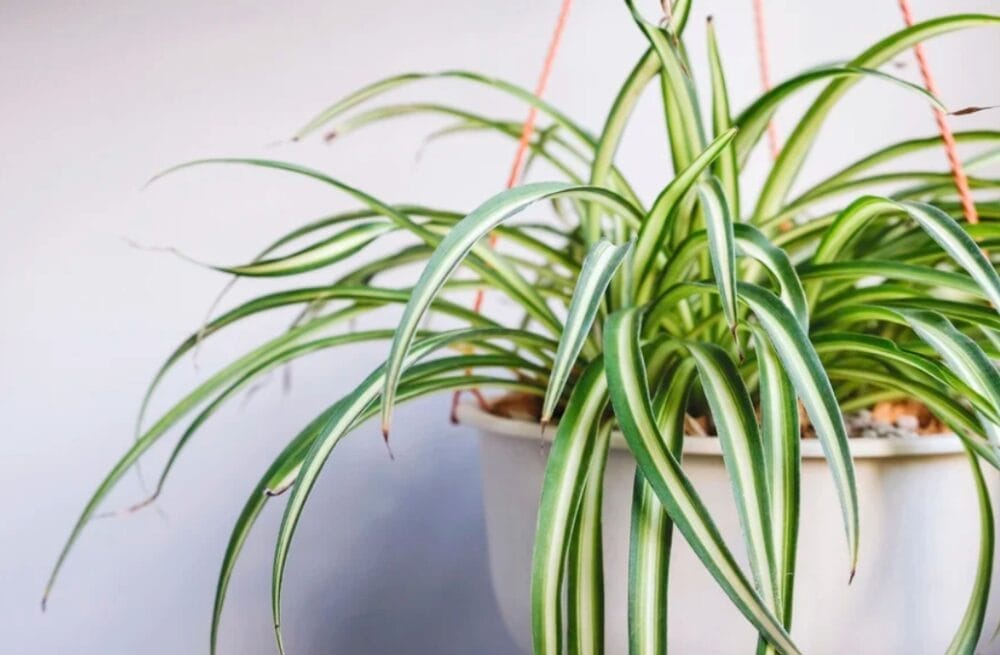
The spider plant (Chlorophytum comosum) is one of the most popular and easy-to-grow houseplants worldwide. Known for its long, arching green leaves with white stripes and small baby plantlets (called spiderettes), this plant is perfect for beginners as well as experienced gardeners.
Spider plants are valued not only for their beauty but also for their air-purifying qualities and low maintenance requirements. In this blog, we will explore everything you need to know about spider plant cultivation, from planting to care and propagation.
Table of Contents
1. Climate and Light Requirements
Spider plants thrive in a wide range of climates, making them ideal for indoor cultivation. They prefer moderate temperatures between 18°C and 30°C, which suits most homes and offices. Although they can tolerate mild cold, prolonged exposure to temperatures below 10°C can damage the plant.
Light plays an important role in healthy growth. Spider plants grow best in bright, indirect sunlight. Direct sunlight can scorch the leaves, causing brown tips, while very low light may slow growth and reduce leaf color. A spot near a window with filtered light is ideal.
2. Soil Preparation
Good soil is essential for successful spider plant cultivation. The plant prefers well-draining, loose, and fertile soil. A general potting mix works well, but you can improve drainage by adding sand, perlite, or coco peat.
A simple soil mix for spider plants includes:
- Garden soil – 40%
- Compost or vermicompost – 30%
- Sand or perlite – 30%
The soil pH should be slightly acidic to neutral (around 6.0–7.0).

Also Read: How to Grow a Money Plant at Home (With Easy Care Tips)
3. Pot Selection and Planting
Choose a pot with proper drainage holes to prevent waterlogging. Spider plants grow quickly and develop fleshy roots, so select a medium-sized pot and repot when roots become crowded.
To plant:
- Fill the pot with prepared soil.
- Place the spider plant in the center.
- Cover roots gently with soil.
- Water lightly after planting.
Hanging baskets are also an excellent option, as they showcase the plant’s arching leaves and baby plants beautifully.
4. Watering Schedule
Spider plants require moderate watering. Overwatering is one of the most common mistakes. Water the plant when the top inch of soil feels dry. During summer, watering may be needed 2–3 times a week, while in winter, once a week is usually enough.
Use clean, room-temperature water. Spider plants are sensitive to chemicals like chlorine and fluoride, which can cause brown leaf tips. Using filtered or rainwater is beneficial.
5. Fertilizer Management
Although spider plants are not heavy feeders, regular fertilization helps maintain lush growth. Apply a balanced liquid fertilizer (NPK 10-10-10) once every 3–4 weeks during the growing season (spring and summer).
Avoid over-fertilization, as it can lead to salt buildup in the soil and damage the roots. Fertilizer application can be reduced or stopped during winter.
Also Read: How to Care for Lucky Bamboo: A Complete Guide for Healthy Growth
6. Propagation of Spider Plant
One of the biggest advantages of spider plant cultivation is its easy propagation. Spider plants produce small plantlets on long stems.
Propagation methods:
- From spiderettes: Cut a healthy baby plant and place it in soil or water until roots develop.
- By division: During repotting, divide the root clump into smaller sections and plant separately.
Propagation success is high, making spider plants ideal for sharing and mass planting.
7. Pest and Disease Control
Spider plants are generally resistant to pests, but occasionally they may be affected by:
- Aphids
- Spider mites
- Mealybugs
These can be controlled by wiping leaves with neem oil solution or mild soapy water. Root rot may occur if the plant is overwatered, so ensure good drainage and proper watering practices.
8. Pruning and Maintenance
Regular maintenance keeps the plant healthy and attractive. Remove yellow or dried leaves using clean scissors. Trimming long stems with baby plants helps redirect energy to the main plant.
Cleaning the leaves occasionally with a damp cloth improves photosynthesis and keeps the plant looking fresh.
9. Benefits of Growing Spider Plant
- Improves indoor air quality
- Easy to grow and maintain
- Suitable for hanging baskets and pots
- Safe for beginners
- Enhances home and office décor
Frequently Asked Questions (FAQ)
Q1. Is spider plant suitable for indoor cultivation?
Yes, spider plants are excellent indoor plants and thrive in indirect light conditions.
Q2. How often should I water a spider plant?
Water when the topsoil is dry. Usually 2–3 times a week in summer and once a week in winter.
Q3. Can spider plants grow in low light?
They can survive in low light, but growth will be slower and leaf color may fade.
Q4. Why do spider plant leaves turn brown at the tips?
Brown tips are often caused by overwatering, chemical salts in water, or low humidity.
Q5. How do I propagate a spider plant easily?
Cut a healthy baby plant (spiderette) and plant it in soil or place it in water until roots form.
Q6. When should I repot a spider plant?
Repot when roots become crowded, usually once every 1–2 years.
Q7. Is spider plant safe for pets?
Yes, spider plants are non-toxic and safe for cats and dogs.
Also Read:Spider plant, Chlorophytum comosum
-

-

-

-

-

-

-

-

-

-

-

-

-

-

-

-

-

-

-

-

-
-
-

-

-

-

-
-

-

-

-

-

-
-

-

-

-

-

-
-

-

-

-
-

-

-

-

-

-

-