How to Grow Bay Laurel at Home
Bay laurel (Laurus nobilis) is a timeless evergreen plant best known for its aromatic leaves used in cooking. Commonly called bay leaf, tej patta, or sweet bay, this Mediterranean herb is surprisingly easy to grow at home—whether in a garden, balcony, or patio container. Besides its culinary value, bay laurel also adds ornamental beauty with glossy green leaves and a pleasant fragrance.
In this guide, you’ll learn everything you need to know about how to grow bay laurel at home, from planting and care to harvesting and long-term maintenance.
Why Grow Bay Laurel at Home?
Growing bay laurel at home offers multiple benefits:
- Fresh, chemical-free bay leaves for cooking
- Evergreen ornamental plant for gardens and balconies
- Low-maintenance and long-lived (can grow for decades)
- Natural air-purifying qualities
- Cost-effective alternative to store-bought dried bay leaves
Once established, a single bay laurel plant can supply leaves for years.
Understanding the Bay Laurel Plant
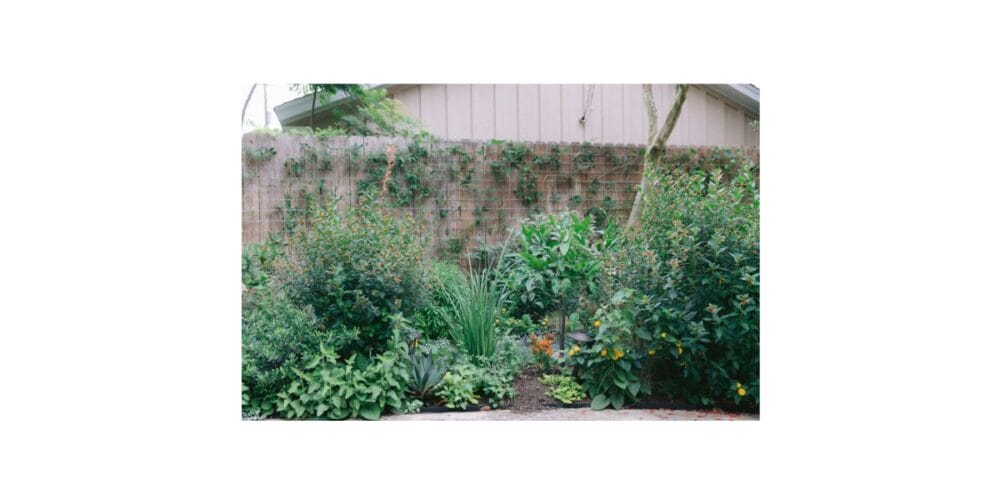
Bay laurel is a slow-growing evergreen shrub or small tree. In the ground, it can grow up to 6–12 meters tall, but in pots it stays compact and manageable.
- Plant type: Evergreen shrub/tree
- Climate: Warm, temperate to subtropical
- Sunlight: Full sun to partial shade
- Growth rate: Slow to moderate
- Lifespan: Long-lived perennial
Bay laurel thrives especially well in containers, making it ideal for home gardeners.
Also Read: How to Plant and Grow Your Own Organic Strawberries
Best Climate and Location
Bay laurel prefers mild, warm climates but can adapt to different conditions with proper care.
Climate Requirements
- Ideal temperature: 15°C–30°C
- Protect from frost and extreme cold
- In hot regions, provide afternoon shade
Location
- Sunny balcony, terrace, or garden spot
- At least 5–6 hours of sunlight daily
- Sheltered from strong winds
If you live in a colder area, grow bay laurel in a pot so it can be moved indoors during winter.
Choosing the Right Pot and Soil
Pot Selection
- Use a pot 12–18 inches wide with good drainage holes
- Clay or terracotta pots work best
- Ensure enough space for slow root development
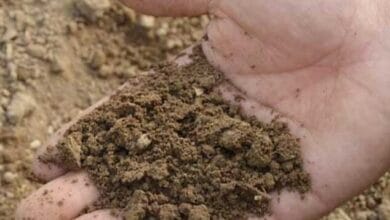
Soil Requirements
Bay laurel prefers well-draining soil.
Ideal soil mix:
- Garden soil – 40%
- Compost or well-rotted manure – 30%
- Sand or perlite – 30%
Soil pH should be slightly acidic to neutral (6.0–7.0).
How to Plant Bay Laurel
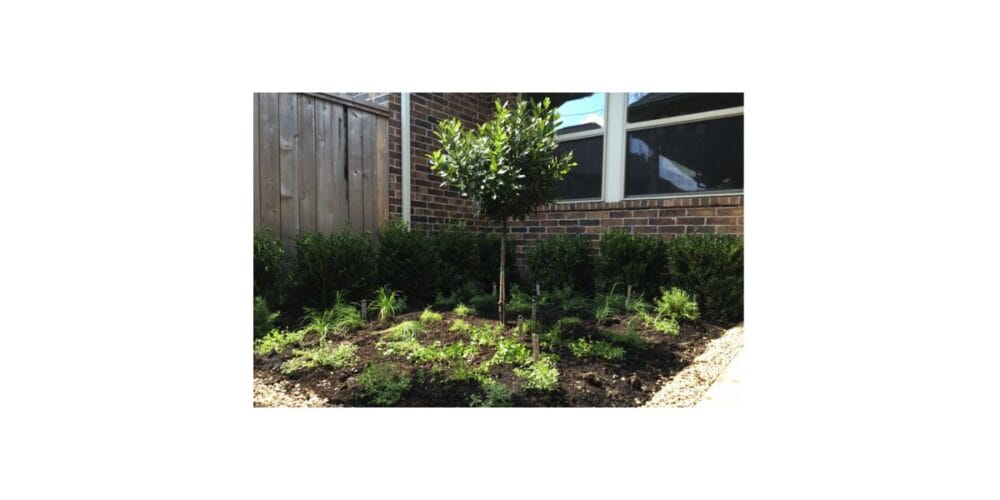
From Saplings (Recommended)
The easiest way to grow bay laurel is from a nursery-bought sapling.
Steps:
- Fill the pot halfway with prepared soil
- Place the sapling gently in the center
- Fill remaining space with soil and press lightly
- Water thoroughly
- Keep in partial shade for the first week
From Seeds (Slow Method)
Growing bay laurel from seeds is possible but slow and requires patience.
- Use fresh seeds only
- Germination may take 1–3 months
- Keep soil warm and moist
Watering Requirements
Bay laurel prefers moderate watering.
- Water when the top inch of soil feels dry
- Avoid waterlogging
- Reduce watering during winter
- Potted plants need more frequent watering than ground plants
Overwatering is one of the most common mistakes when growing bay laurel.
Also Read: The Best Types of Basil to Grow in an Herb Garden
Fertilizing Bay Laurel Plants
Bay laurel is not a heavy feeder but benefits from occasional nutrition.
Organic Feeding Schedule
- Apply compost or vermicompost every 2–3 months
- Use liquid organic fertilizer once a month during growing season
- Avoid excessive nitrogen, which causes weak growth
Healthy feeding promotes lush green leaves and better aroma.
Pruning and Shaping
Pruning helps keep bay laurel compact and bushy.
- Prune lightly in spring or early summer
- Remove dead, damaged, or overcrowded branches
- Can be shaped into small trees, bushes, or even topiary
Regular pruning also encourages fresh leaf growth.
Common Pests and Diseases
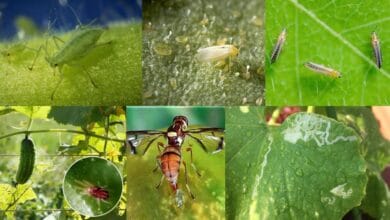
Bay laurel is generally pest-resistant but may face occasional issues.
Common Problems
- Aphids
- Scale insects
- Spider mites
Organic Control
- Neem oil spray every 10–15 days
- Soap water spray for mild infestations
- Ensure good air circulation
Avoid chemical pesticides, especially if you plan to use the leaves for cooking.
Harvesting Bay Leaves
Bay leaves can be harvested once the plant is well established.
How to Harvest
- Pick mature, dark green leaves
- Harvest sparingly in the first year
- Cut leaves individually or small branches
Drying Bay Leaves
- Wash leaves gently
- Air-dry in shade for 7–10 days
- Store in airtight containers
Dried bay leaves have a stronger and longer-lasting flavor than fresh ones.
Also Read: The Complete Guide to Growing Beets from Seed to Harvest
Growing Bay Laurel Indoors
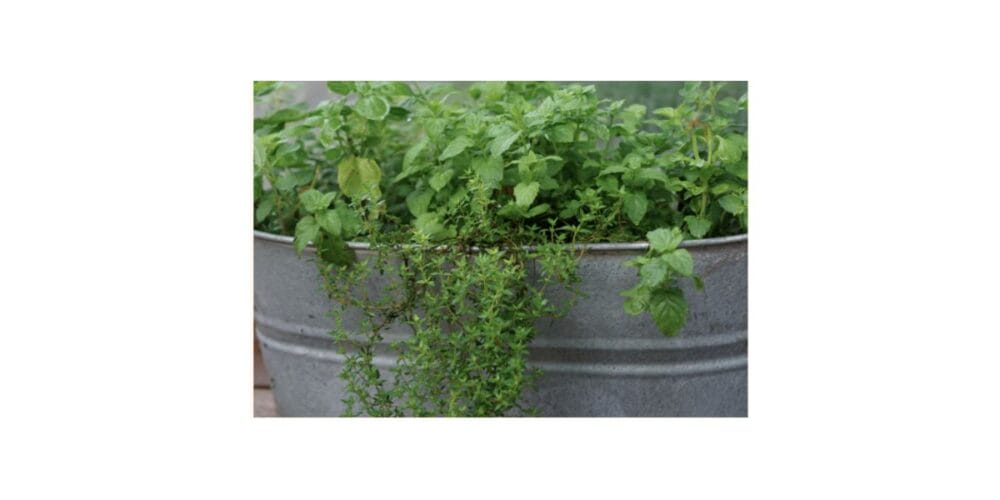
Bay laurel can also be grown indoors with proper care.
- Place near a bright sunny window
- Rotate pot regularly for even growth
- Ensure good ventilation
- Avoid placing near heaters or AC vents
Indoor plants grow slower but remain healthy with consistent care.
Final Thoughts
Learning how to grow bay laurel at home is a rewarding experience for both beginner and experienced gardeners. With minimal care, this evergreen herb provides fragrant leaves, enhances your garden’s beauty, and adds fresh flavor to your kitchen. Whether grown in a pot or planted in the ground, bay laurel is a long-term companion that thrives with patience and simple maintenance.
Start with a healthy sapling, give it sunlight, well-drained soil, and gentle care—and enjoy fresh bay leaves straight from your home garden for years to come.
Also Read: About How to Grow Bay Laurel at Home: A Complete Guide for Beginners on gardenary.com Site
-

-

-
-
-
-

-

-

-
-
-
-

-

-

-

-

-
-
-

-

-
-
-
-
-
-
-
-
-

-
-
-
-
-

-
-
-
-

-
-

-

-

-
-

-

-

-

-

-
-