Diseases of Pumpkin Plant
Pumpkin is a widely grown vegetable crop valued for its nutritional, culinary, and commercial importance. However, pumpkin plants are highly susceptible to several diseases caused by fungi, bacteria, viruses, and unfavorable environmental conditions.
These diseases can severely reduce yield, affect fruit quality, and even destroy the entire crop if not managed properly. Understanding the common diseases of pumpkin plants, their symptoms, and control measures is essential for successful cultivation.
This blog provides a detailed overview of the most common pumpkin plant diseases along with practical prevention and management strategies.
Table of Contents
1. Powdery Mildew
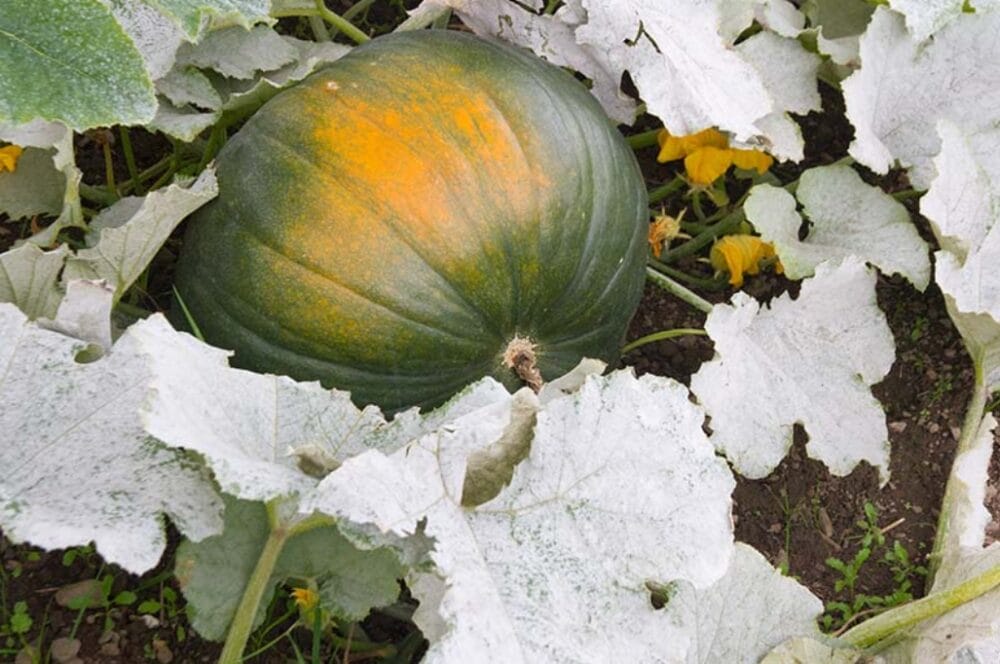
Powdery mildew is one of the most common fungal diseases affecting pumpkin plants, especially during dry weather with high humidity.
Symptoms:
- White or gray powder-like spots on leaves and stems
- Yellowing and drying of leaves
- Reduced photosynthesis and stunted plant growth
Management:
- Grow resistant pumpkin varieties
- Ensure proper spacing for air circulation
- Spray sulfur-based fungicides or neem oil
- Remove and destroy infected plant parts

2. Downy Mildew
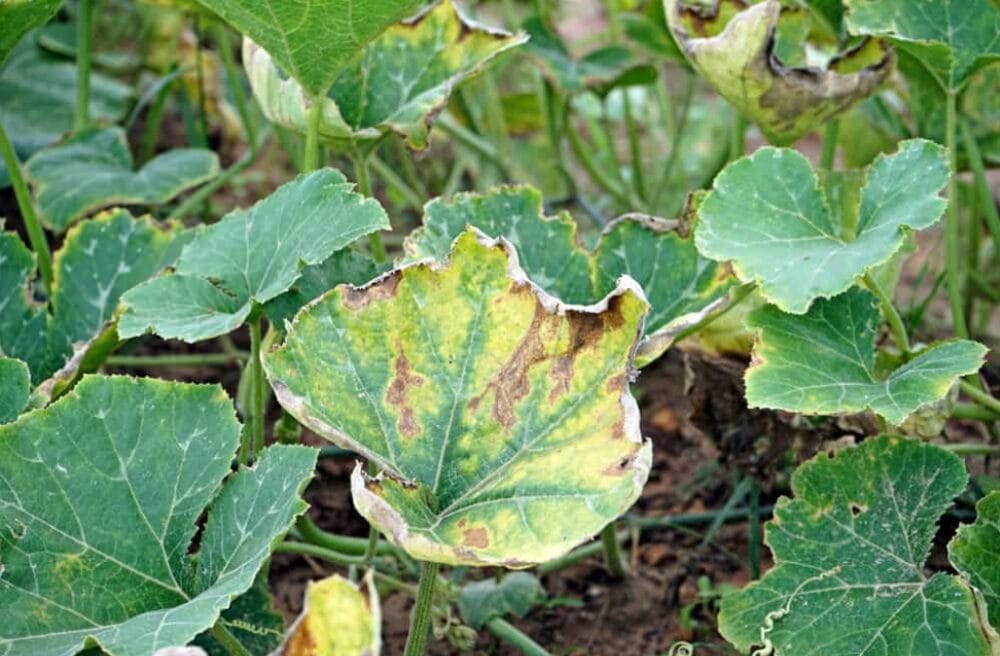
Downy mildew is a destructive fungal disease that spreads rapidly during cool, moist conditions.
Symptoms:
- Yellow angular spots on upper leaf surfaces
- Gray or purple fungal growth on the underside of leaves
- Premature leaf drop and reduced fruit development
Management:
- Avoid overhead irrigation
- Apply recommended fungicides at early stages
- Practice crop rotation
- Use disease-free seeds
Also Read: Diseases of Spinach: Identification, Prevention, and Management
3. Anthracnose
Anthracnose is a fungal disease that affects leaves, stems, and fruits of pumpkin plants.
Symptoms:
- Dark brown or black circular spots on leaves
- Sunken lesions on fruits
- Leaf blight in severe cases
Management:
- Remove infected debris from the field
- Use certified seeds
- Apply copper-based fungicides
- Maintain field sanitation
4. Fusarium Wilt
Fusarium wilt is a soil-borne fungal disease that can persist in the soil for many years.
Symptoms:
- Yellowing of lower leaves
- Wilting during the daytime that recovers at night
- Brown discoloration in vascular tissues
Management:
- Practice long-term crop rotation
- Use resistant varieties
- Improve soil drainage
- Avoid overwatering
Also Read : Diseases of Spinach: Identification, Prevention, and Management
5. Bacterial Wilt
Bacterial wilt is a serious disease spread mainly by cucumber beetles.
Symptoms:
- Sudden wilting of vines
- Sticky bacterial ooze from cut stems
- Plant death within a short period
Management:
- Control insect vectors
- Remove infected plants immediately
- Use row covers during early growth stages
- Practice crop rotation
6. Mosaic Virus (Pumpkin Mosaic Disease)
Viral diseases such as cucumber mosaic virus (CMV) and zucchini yellow mosaic virus (ZYMV) commonly affect pumpkin crops.
Symptoms:
- Mosaic or mottled patterns on leaves
- Leaf distortion and curling
- Stunted plant growth and malformed fruits
Management:
- Control aphids and other insect vectors
- Remove infected plants
- Use virus-free seeds
- Avoid working in fields when plants are wet
7. Gummy Stem Blight
Gummy stem blight is a fungal disease affecting stems, leaves, and fruits.
Symptoms:
- Brown lesions on stems with sticky gum-like ooze
- Leaf spots with yellow margins
- Fruit rot during storage
Management:
- Practice crop rotation
- Use fungicide sprays as preventive measures
- Avoid injuring plants
- Improve field drainage
8. Blossom End Rot (Physiological Disorder)
Though not a disease caused by pathogens, blossom end rot is a common physiological problem in pumpkin plants.
Symptoms:
- Dark, sunken spots at the blossom end of fruits
- Poor fruit quality
Management:
- Maintain consistent soil moisture
- Ensure adequate calcium levels in soil
- Avoid excessive nitrogen fertilization
General Preventive Measures for Pumpkin Diseases
- Select disease-resistant varieties
- Follow proper crop rotation
- Maintain field hygiene and remove plant debris
- Ensure balanced fertilization
- Monitor crops regularly for early disease detection
Frequently Asked Questions (FAQ)
Q1. What is the most common disease of pumpkin plants?
Powdery mildew is the most common disease affecting pumpkin plants, especially during dry seasons with high humidity.
Q2. How can I prevent fungal diseases in pumpkin plants?
Fungal diseases can be prevented by maintaining proper spacing, ensuring good air circulation, using resistant varieties, and applying preventive fungicides.
Q3. Are pumpkin plant diseases harmful to humans?
Most pumpkin plant diseases are not harmful to humans, but infected fruits may be of poor quality and unsuitable for consumption.
Q4. Can viral diseases in pumpkins be cured?
No, viral diseases cannot be cured. The best approach is prevention by controlling insect vectors and removing infected plants.
Q5. Why do pumpkin leaves turn yellow?
Yellowing of pumpkin leaves can be caused by diseases like downy mildew, nutrient deficiencies, overwatering, or pest infestations.
Q6. How do I control bacterial wilt in pumpkins?
Control insect vectors such as cucumber beetles, remove infected plants, and practice crop rotation to manage bacterial wilt.
Q7. Is crop rotation important for pumpkin disease management?
Yes, crop rotation is crucial as it helps reduce soil-borne pathogens and breaks disease cycles.
Conclusion
Diseases of pumpkin plants can significantly impact crop health and productivity if not addressed in time. By identifying symptoms early, adopting preventive practices, and using proper management strategies, farmers and home gardeners can successfully protect their pumpkin crops.
A proactive approach combining cultural, biological, and chemical methods ensures healthy plants and a bountiful harvest.
Also Read: pumpkin diseases
-
-
-
-

-

-
-
-
-
-
-
-

-

-
-
-
-

-

-
-
-
-
-
-
-
-
-
-
-
-
-
-
-
-
-

-

-
-
-

-

-
-

-
-
-

-
-
-
-

-