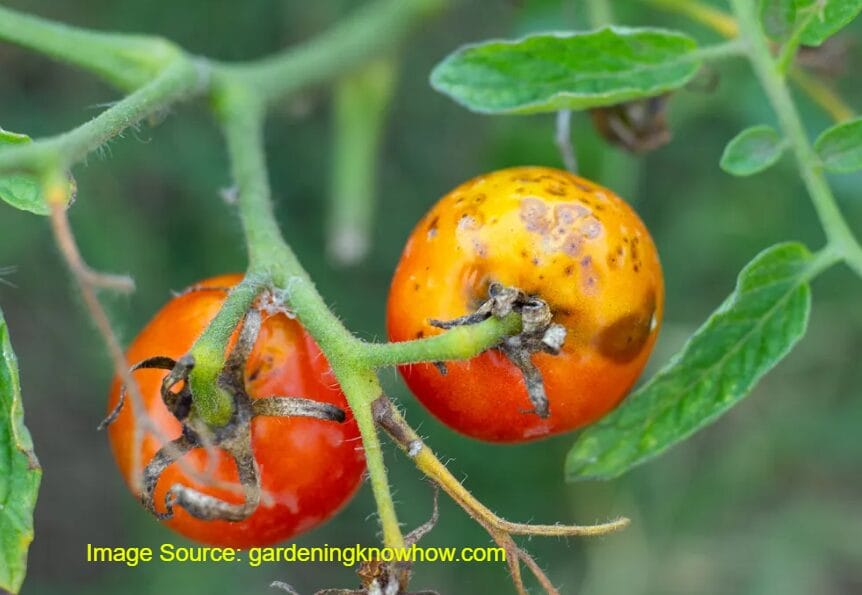
Introduction of Disease in Tomato Plants
Growing tomatoes is rewarding, but nothing is more frustrating than seeing once healthy plants suddenly develop spots, wilting, or rot. Tomato plants are highly susceptible to several bacterial, fungal, and viral diseases, especially in warm and humid growing conditions.
Understanding these diseases early helps farmers and home growers maintain plant health, prevent crop loss, and ensure high-quality yield.
In this blog, we’ll explore the most common diseases in tomato plants, their causes, symptoms, control measures, and prevention tips to help you grow vigorous tomato crops.
Common Diseases in Tomato Plants
Tomato diseases fall into three major categories—fungal, bacterial, and viral. Let’s look at the main ones affecting tomatoes.
1. Early Blight
Cause: Alternaria solani (fungal)
Symptoms:
- Target-shaped dark spots on older leaves
- Yellowing and gradual leaf drying
- Lesions on stems and fruit
Control & Prevention:
- Apply fungicides like Mancozeb or Chlorothalonil at early stages.
- Avoid overhead irrigation and ensure good air circulation.
- Practice crop rotation for 2–3 years.
2. Late Blight
Cause: Phytophthora infestans (fungal-like pathogen)
Symptoms:
- Water-soaked irregular dark patches
- White fungal growth under leaves
- Rapid plant collapse in severe cases
Control & Prevention:
- Remove infected plants immediately.
- Use fungicides like Metalaxyl or Mandipropamid.
- Grow resistant varieties like Arka Rakshak or Swadeshi Tomato hybrids.
3. Septoria Leaf Spot
Cause: Septoria lycopersici (fungal)
Symptoms:
- Small circular brown or grey lesions with dark borders
- Rapid defoliation starting from lower leaves
Control:
- Use copper-based fungicides.
- Maintain plant spacing to reduce humidity.
4. Fusarium Wilt
Cause: Fusarium oxysporum (fungal soilborne pathogen)
Symptoms:
- Yellowing starting from one side of the plant
- Wilt even when soil moisture is adequate
- Brown vascular discoloration inside the stem
Control & Prevention:
- Use resistant varieties (labeled Fusarium resistant – F1/F2).
- Solarize soil before planting.
- Avoid planting tomatoes repeatedly in the same soil.
5. Bacterial Spot and Canker
Cause: Multiple bacterial pathogens including Xanthomonas spp.
Symptoms:
- Small water-soaked lesions on leaves and fruits
- Cracked and corky fruit spots
- Leaf browning and defoliation
Control:
- Apply copper oxychloride or Streptomycin-based bactericides.
- Use certified disease-free seeds.
6. Tomato Mosaic Virus (TMV)
Cause: Viral infection transmitted by seed, tools, or pests
Symptoms:
- Mottled light and dark green patterns on leaves
- Curling and distortion of young leaves
- Reduced fruit size and uneven ripening
- Control:
Since viral diseases cannot be cured: - Uproot and destroy infected plants.
- Disinfect tools and avoid smoking near plants (virus can travel from tobacco).
Also Read: How to Identify Rose Plant Diseases and Control Them Effectively?
7. Tomato Yellow Leaf Curl Virus (TYLCV)
Cause: Transmitted by whiteflies (Bemisia tabaci)
Symptoms:
- Severe leaf curling and upward bending
- Stunted growth and almost no fruit set
Control:
- Control whiteflies using insecticides (Neem oil, Imidacloprid).
- Use virus-resistant seeds and insect-proof netting.
Why Do Tomato Diseases Spread Easily?

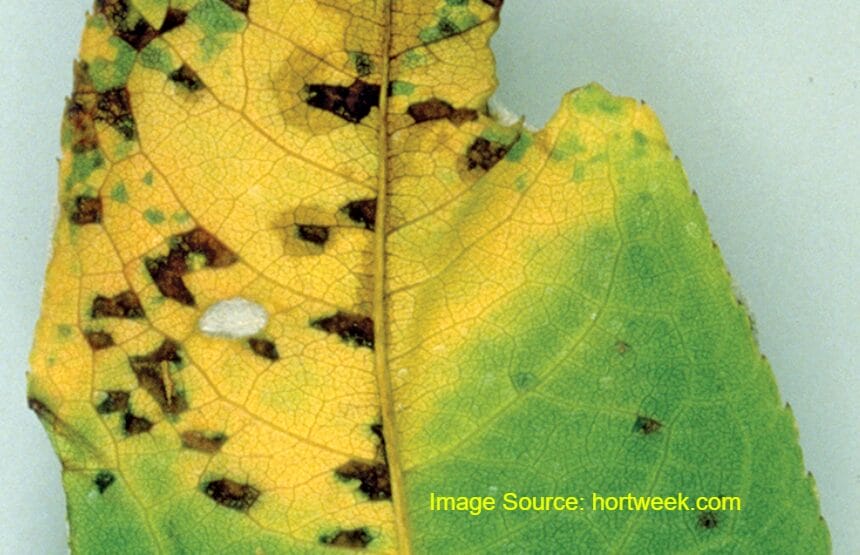
Tomatoes are grown widely in tropical climates where humidity, warmth, and dense planting favor disease development. Common reasons include:
- Continuous cropping without rotation
- Excess moisture on leaves due to overhead watering
- Use of infected seed or soil
- Pests acting as disease carriers
- Lack of sanitation in tools and containers
Best Cultural Practices to Prevent Tomato Diseases
A strong prevention strategy can significantly reduce disease risk. Here are proven tips:
Use Disease-Free Seeds and Resistant Varieties
Choose seeds labeled resistant to common diseases like blights, fusarium, nematodes, and viruses.
Improve Soil Drainage
Raised beds reduce disease pressure by preventing water stagnation.
Proper Plant Spacing
Good airflow helps leaves dry faster, reducing fungal risk.
Avoid Wet Foliage
Use drip irrigation instead of sprinklers to prevent fungal infections.
Prune Lower Leaves
Remove leaves touching the soil to avoid contact with pathogens.
Mulch the Soil
Straw or plastic mulch prevents soil splash and maintains soil health.
Also Read: Brinjal Plant Diseases and Their Natural Remedies, Chemical Controls, and Resistant Varieties.
Chemical and Biological Control Options
To manage diseases effectively:
| Method | Examples | Purpose |
| Fungicides | Mancozeb, Copper fungicide, Trifloxystrobin | Controls fungal diseases |
| Bactericides | Copper oxychloride, Streptomycin | Controls bacterial infections |
| Bio-Control | Trichoderma, Bacillus subtilis | Prevents soilborne diseases |
Always follow recommended dosage and spraying intervals.
Conclusion
Diseases in tomato plants can significantly affect growth, yield, and fruit quality, but with the right knowledge and timely action, they can be controlled effectively. By identifying symptoms early, adopting resistant varieties, practicing crop rotation, maintaining field hygiene, and using chemical or biological controls wisely, farmers and gardeners can grow healthy, disease-free tomato crops.
A proactive approach ensures better harvests and healthier plants—making tomato cultivation productive and enjoyable.
Also Read: 22 Tomato Diseases: Identification, Treatment and Prevention
-

-
-
-
-
-

-

-
-
-
-
-
-
-

-

-
-

-
-

-

-
-
-
-

-

-

-
-
-

-
-

-

-
-
-

-
-

-

-
-
-

-

-

-

-

-

-

-
-
-