The Best Companion Plants for Tomatoes
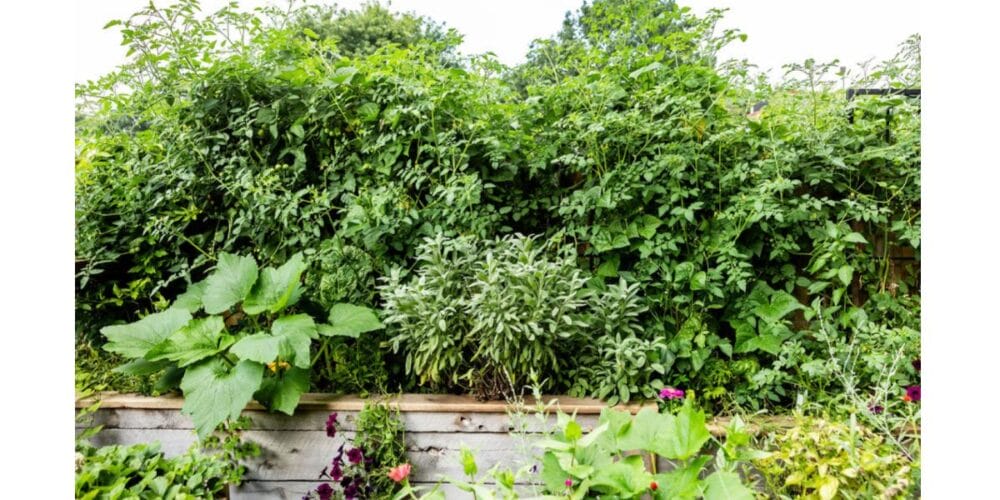
Tomatoes are one of the most popular plants in home gardens, loved for their flavor, versatility, and productivity. But did you know that what you plant alongside your tomatoes can significantly affect their growth, health, and yield? Companion planting is a time-tested gardening technique that involves growing certain plants together for mutual benefit. When done correctly, companion plants can improve soil health, repel pests, attract beneficial insects, and even enhance tomato flavor.
In this guide, we’ll explore the best companion plants for tomatoes, why they work so well together, and how to use companion planting to create a healthier, more productive tomato garden.
Table of Contents
What Is Companion Planting?
Companion planting is the practice of placing different plant species close to one another so they can support each other’s growth. These benefits may include natural pest control, improved pollination, better nutrient uptake, and more efficient use of garden space. Tomatoes, being heavy feeders and pest-prone plants, benefit greatly from the right companions.
Why Tomatoes Benefit from Companion Plants
Tomatoes attract a range of pests such as aphids, whiteflies, hornworms, and nematodes. They also require rich soil and consistent care throughout the growing season. The right companion plants can:



- Repel common tomato pests naturally
- Attract pollinators and beneficial insects
- Improve soil fertility and structure
- Reduce weed growth and soil erosion
- Enhance tomato flavor and overall yield
Best Companion Plants for Tomatoes
1. Basil
Basil is one of the most popular companion plants for tomatoes—and for good reason. It helps repel pests like aphids, thrips, and tomato hornworms. Many gardeners also believe that basil improves the flavor of tomatoes when grown nearby. Additionally, basil attracts pollinators, which supports healthy tomato flowering and fruiting.
How to plant: Grow basil around the base of tomato plants or between rows, ensuring adequate airflow.
Also Read: Best Types of Lettuce to Grow in Your Garden
2. Marigolds

Marigolds are a powerhouse companion plant. Their strong scent deters nematodes, whiteflies, and other harmful insects. French marigolds, in particular, are effective at suppressing soil-borne pests that damage tomato roots.
How to plant: Plant marigolds along garden borders or between tomato plants for maximum pest control.
3. Garlic and Onions
Garlic and onions belong to the allium family and are excellent companions for tomatoes. Their pungent aroma helps repel aphids, spider mites, and other pests. Garlic also has antifungal properties that may help reduce the risk of tomato diseases.
How to plant: Interplant garlic or onions around tomatoes or along the edges of tomato beds.
4. Carrots
Carrots and tomatoes coexist well because they use different soil layers. Carrots loosen the soil as they grow, improving aeration and drainage for tomato roots. Tomatoes, in turn, provide light shade that helps prevent carrot roots from becoming bitter.
How to plant: Sow carrot seeds near tomato plants, but avoid disturbing tomato roots during harvesting.
5. Lettuce and Spinach
Leafy greens like lettuce and spinach are excellent low-growing companions for tomatoes. They act as living mulch, helping retain soil moisture, suppress weeds, and keep the soil cool during hot weather. Since they mature quickly, they can be harvested before tomato plants grow large.
How to plant: Grow leafy greens around young tomato plants early in the season.
6. Borage
Borage is an often-overlooked but highly beneficial companion plant for tomatoes. It attracts pollinators and predatory insects that feed on tomato pests. Borage is also known to improve soil health and may enhance tomato growth and flavor.
How to plant: Plant borage a short distance from tomatoes, as it can grow quite large.
Also Read: Our Favorite DIY Raised Garden Bed Ideas
7. Chives and Parsley
Chives help deter aphids and spider mites, while parsley attracts beneficial insects like hoverflies, which prey on harmful pests. These herbs are compact and won’t compete heavily with tomatoes for nutrients.
How to plant: Plant chives and parsley near the base of tomato plants or in between rows.
8. Nasturtiums
Nasturtiums act as a trap crop, drawing aphids, whiteflies, and other pests away from tomatoes. They also attract pollinators and add vibrant color to your garden.
How to plant: Grow nasturtiums near tomatoes or at the edges of tomato beds.
Plants to Avoid Near Tomatoes
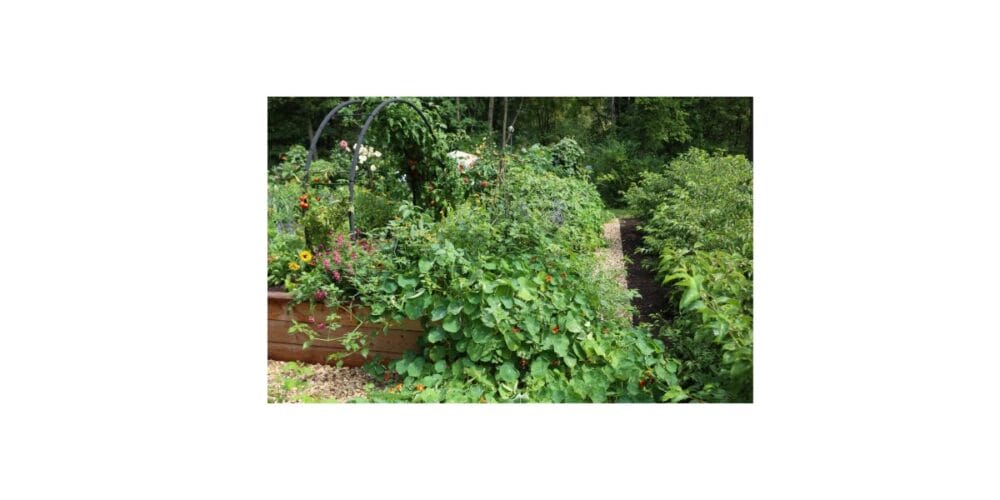
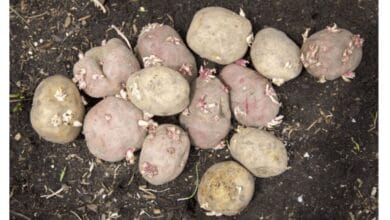
While many plants benefit tomatoes, some should be kept at a distance. Avoid planting tomatoes near potatoes, corn, cabbage, or fennel. These plants may compete for nutrients, attract similar pests, or increase the risk of disease.
Also Read: 5 Benefits of Growing Calendula Flowers in Your Vegetable Garden
Tips for Successful Companion Planting with Tomatoes
- Give each plant enough space to prevent overcrowding
- Rotate crops each year to reduce pest and disease buildup
- Combine flowers, herbs, and vegetables for maximum benefits
- Observe your garden and adjust plant combinations as needed
Final Thoughts
Companion planting is a simple, natural way to boost tomato health and productivity without relying on chemicals. By pairing tomatoes with the right herbs, flowers, and vegetables, you can create a balanced garden ecosystem that supports healthy growth and abundant harvests. Whether you’re growing tomatoes in raised beds, containers, or traditional garden plots, incorporating companion plants will help you enjoy stronger plants, fewer pests, and better-tasting tomatoes all season long.
Also Read: About the Best Companion Plants for Tomatoes on gardenary.com Site