
5 Benefits of Growing Calendula Flowers
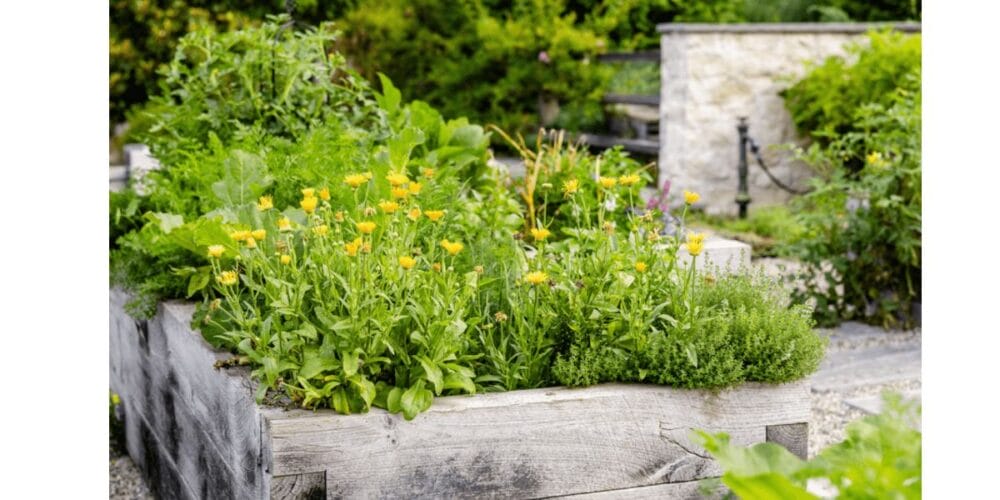
Calendula (Calendula officinalis), often called pot marigold, is much more than just a pretty flower. With its cheerful orange and yellow blooms, calendula is a hardworking companion plant that brings multiple benefits to your vegetable garden. From pest control and pollination support to soil health and edible uses, calendula earns its place among vegetables with ease.
Whether you’re a beginner gardener or an experienced grower looking to build a healthier, more productive garden, adding calendula can be a smart and sustainable choice. Let’s explore the five major benefits of growing calendula flowers in your vegetable garden and why this versatile plant deserves a spot in your beds.
Table of Contents
1. Natural Pest Control and Garden Protection
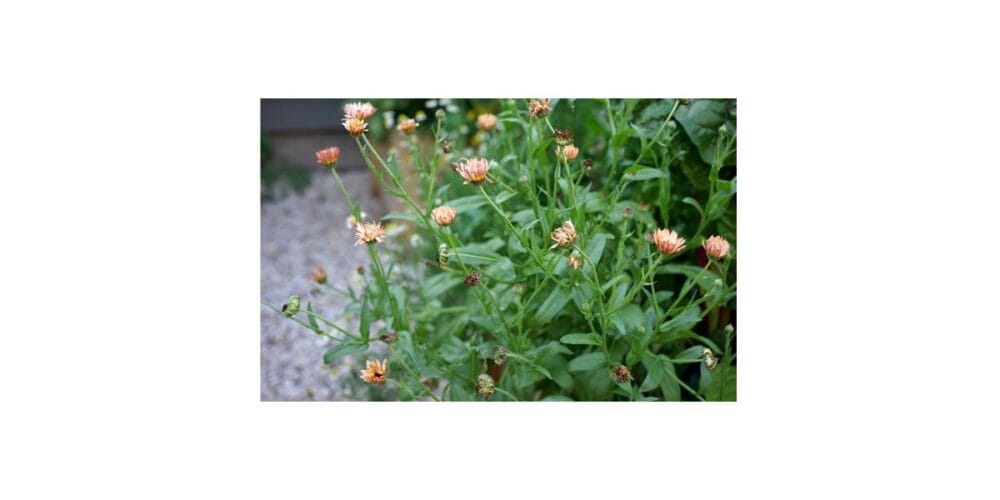
One of the biggest advantages of growing calendula in your vegetable garden is its ability to act as a natural pest deterrent. Calendula releases compounds from its roots and foliage that help repel several common garden pests.
Calendula is particularly effective against:
- Aphids
- Whiteflies
- Nematodes
- Cabbage worms
When planted alongside vegetables like tomatoes, cabbage, beans, carrots, and lettuce, calendula can reduce pest pressure without the need for chemical sprays. It often acts as a trap crop, attracting pests away from more valuable vegetables, making pest management easier and more eco-friendly.
By including calendula, gardeners can minimize pesticide use, protect beneficial insects, and maintain a healthier garden ecosystem.
Also Read: How to Grow, Harvest, and Enjoy Nasturtium Flowers
2. Attracts Pollinators and Beneficial Insects
A thriving vegetable garden depends heavily on pollinators, and calendula excels at attracting them. Its bright, daisy-like flowers are rich in nectar and pollen, drawing in essential garden allies.
Calendula attracts:
- Bees
- Butterflies
- Hoverflies
- Ladybugs
- Lacewings
Bees and butterflies help pollinate crops such as cucumbers, squash, beans, and tomatoes, improving fruit set and yield. At the same time, beneficial insects like ladybugs and hoverflies feed on aphids and other soft-bodied pests.
By planting calendula throughout your vegetable garden or along borders, you create a balanced and biodiverse environment that supports natural pest control and boosts vegetable productivity.
3. Improves Soil Health and Garden Resilience
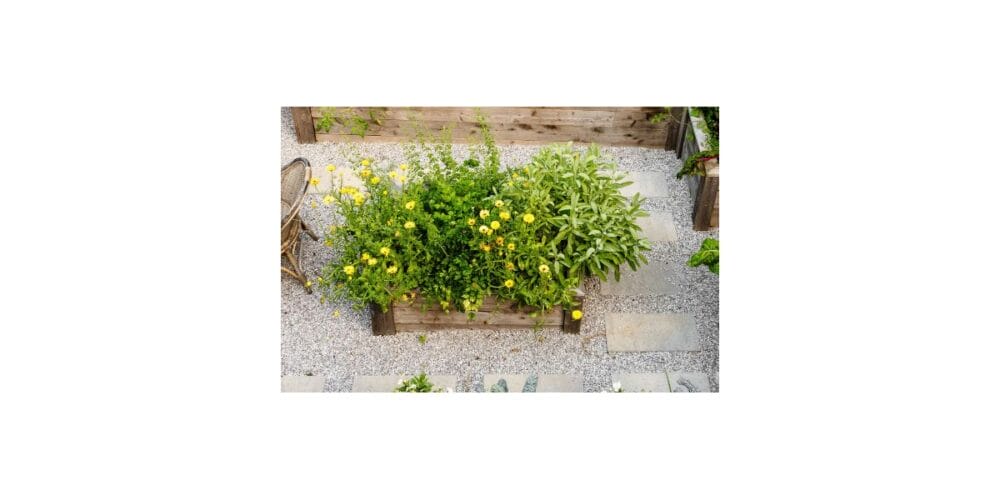
Calendula is not just helpful above ground—it also benefits your garden below the soil surface. Its roots help improve soil structure by loosening compacted soil, allowing better water infiltration and root growth for nearby vegetables.
Another key soil-related benefit is calendula’s role in suppressing harmful nematodes. These microscopic pests damage vegetable roots and reduce plant vigor. Calendula’s root exudates help reduce nematode populations, making it an excellent companion plant for root crops and leafy greens.
Additionally, calendula works well as a green manure or cover crop. When plants are chopped and incorporated into the soil at the end of the season, they add organic matter, improve microbial activity, and enhance overall soil fertility.
4. Edible and Medicinal Uses from Your Garden
Calendula offers a rare combination of beauty and utility. Its petals are edible and can be harvested throughout the growing season without harming the plant.
Common culinary uses include:
- Adding fresh petals to salads for color
- Using dried petals in herbal teas
- Infusing petals into oils for cooking or skincare
- Coloring rice, butter, and baked goods naturally
Beyond the kitchen, calendula is well known for its medicinal properties. It has anti-inflammatory, antifungal, and antibacterial qualities and is widely used in homemade balms, salves, creams, and soaps to soothe minor cuts, burns, rashes, and insect bites.
By growing calendula in your vegetable garden, you gain access to a valuable multipurpose plant that supports both home nutrition and natural wellness.
Also Read: 6 Essential Gardening Tools for Beginner and Advanced Gardeners
5. Easy to Grow and Low Maintenance
Calendula is an excellent choice for gardeners of all skill levels because it is easy to grow and highly adaptable. It thrives in a wide range of climates and soil types, making it suitable for backyard gardens, raised beds, and containers.
Key growing advantages include:
- Grows well in full sun to partial shade
- Tolerates poor to moderately fertile soil
- Requires minimal watering once established
- Blooms continuously with regular deadheading
- Self-seeds easily for future seasons
Calendula also grows quickly from seed, often flowering within 6–8 weeks. This makes it ideal for filling empty spaces in vegetable beds or planting between slow-growing crops. Its compact growth habit ensures it won’t compete aggressively with vegetables for nutrients or space.
Best Ways to Use Calendula in a Vegetable Garden
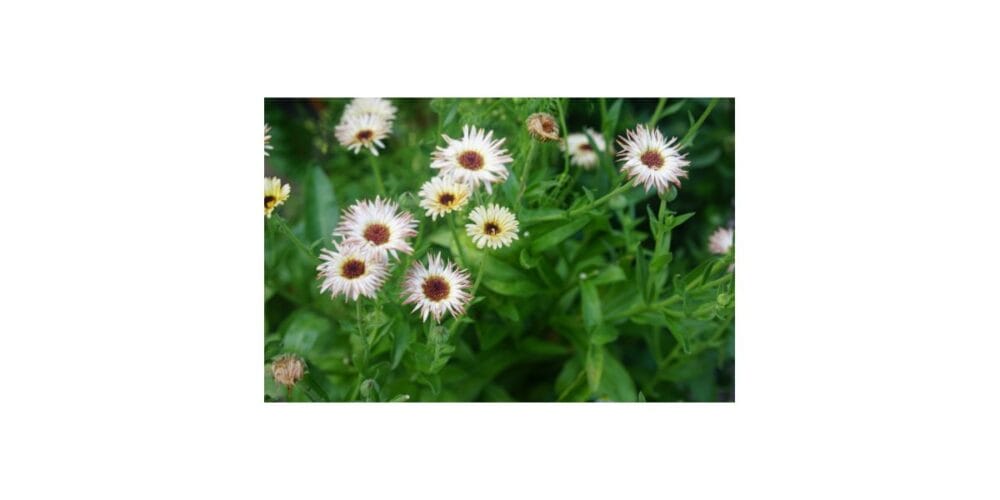
To maximize benefits, consider these planting tips:
- Plant calendula along garden borders or pathways
- Interplant with tomatoes, cabbage, carrots, beans, and leafy greens
- Use it as a companion plant in raised beds
- Grow it near pollinator-dependent crops like cucumbers and squash
Regular harvesting of flowers encourages more blooms and keeps plants tidy, ensuring continuous benefits throughout the season.
Also Read: Guide to Planting and Growing Bee Balm (Monarda)
Common FAQs About Growing Calendula in Vegetable Gardens
Is calendula the same as marigold?
Calendula is often called pot marigold, but it is different from French or African marigolds (Tagetes). Both are beneficial, but calendula has more edible and medicinal uses.
Can calendula grow year-round?
Calendula prefers cool to mild temperatures and grows best in spring, fall, and mild winters. In very hot summers, flowering may slow down.
Does calendula compete with vegetables?
No, calendula has shallow roots and a compact growth habit, making it a good companion without competing heavily for nutrients.
Final Thoughts
Growing calendula flowers in your vegetable garden is a simple yet powerful way to improve garden health, productivity, and beauty. From natural pest control and pollinator support to improved soil health and edible benefits, calendula truly earns its reputation as a garden-friendly multitasker.
If you’re looking to create a more sustainable, productive, and visually appealing vegetable garden, calendula is a smart addition. With minimal effort, this cheerful flower will reward you with healthier plants, better harvests, and a garden that works in harmony with nature.
Also Read: About 5 Benefits of Growing Calendula Flowers in Your Vegetable Garden on gardenary.com Site