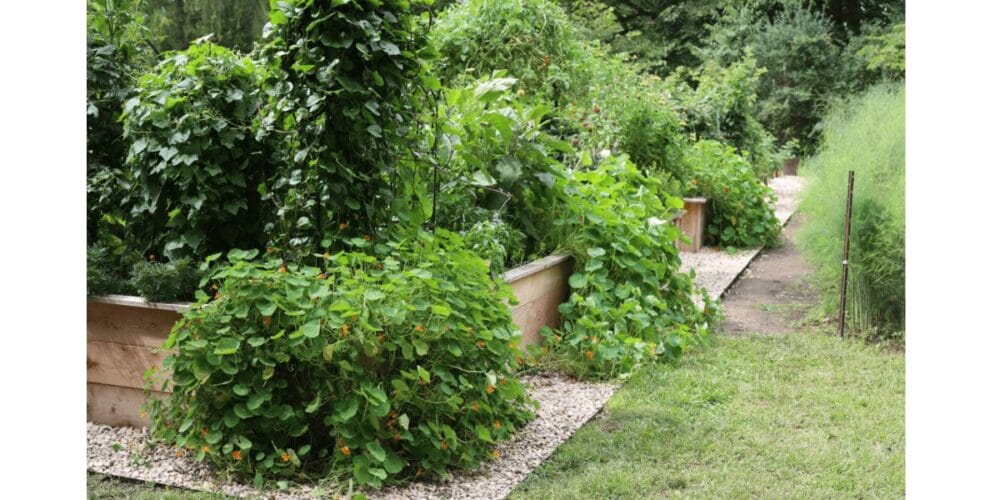
Perennial, Biennial, and Annual Plants
If you’ve ever wandered through a garden center or flipped open a seed catalog, you’ve probably seen plants labeled as annuals, biennials, or perennials. While these terms may sound technical, they describe something very simple: how long a plant lives and completes its life cycle. Understanding the difference can help you design a garden that blooms beautifully year after year while saving time, money, and effort.
Let’s break down what perennial, biennial, and annual plants really mean—and how to choose the right ones for your garden.
What Are Annual Plants?
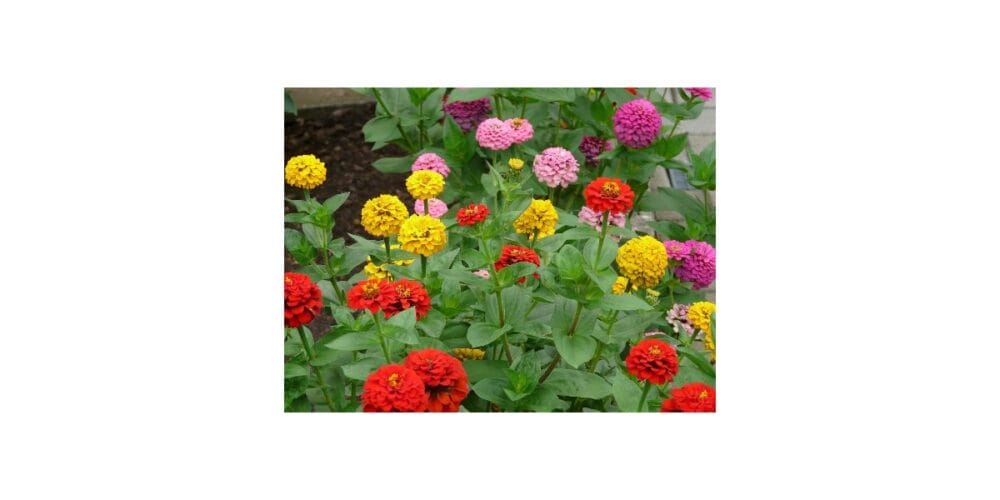
Annual plants complete their entire life cycle in one growing season. This means they sprout from seed, grow, flower, set seed, and die all within a single year.
Key Characteristics of Annual Plants
- Live for only one season
- Grow quickly and bloom continuously
- Must be replanted every year
- Often produce vibrant, long-lasting flowers
Popular Examples of Annual Plants
- Petunia
- Zinnia
- Marigold
- Sunflower
- Basil
- Tomato
Annuals are prized for their reliable color and fast growth. If you want instant impact in flower beds, containers, or hanging baskets, annuals are hard to beat. Many vegetable crops are also grown as annuals, even though some may be perennial in warmer climates.


Also Read: Marigold Farming: A Complete Guide to Profitable Flower Cultivation
Pros and Cons of Annuals
Pros:
- Continuous blooms all season
- Great for experimenting with new colors and designs
- Ideal for containers and small spaces
Cons:
- Need replanting every year
- Higher long-term cost and maintenance
What Are Biennial Plants?
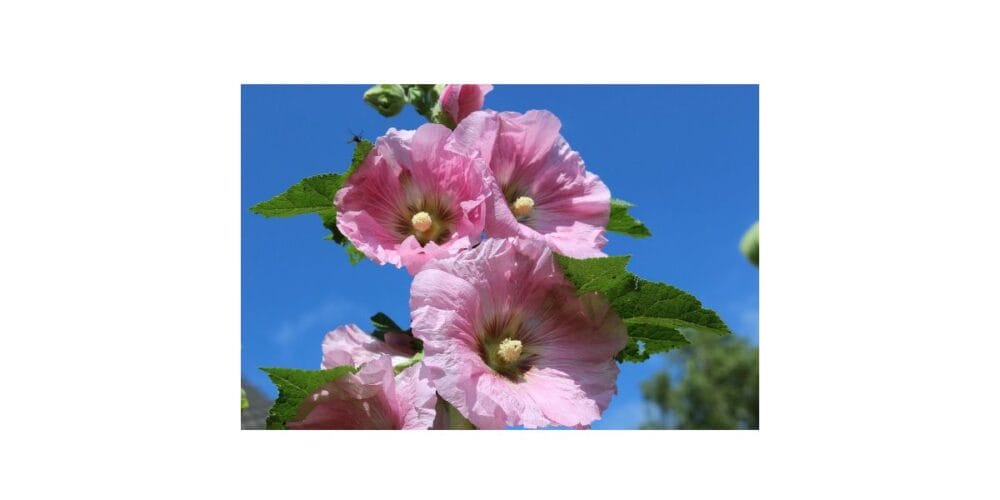
Biennial plants take two years to complete their life cycle. In the first year, they focus on root development and leafy growth. In the second year, they flower, produce seeds, and then die.
Key Characteristics of Biennial Plants
- Two-year life cycle
- First year: foliage growth
- Second year: flowering and seed production
- Often mistaken for perennials
Common Biennial Plants
- Carrot
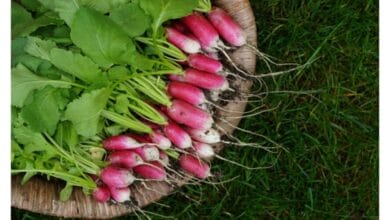
- Beetroot
- Onion
- Foxglove
- Parsley
- Hollyhock
Biennials are often grown for either their flowers or edible roots, depending on the plant. For example, carrots and beets are harvested in their first year, while foxglove is grown for its tall, dramatic flower spikes in the second year.
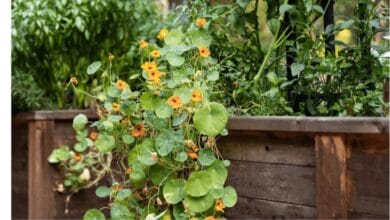
Also Read: How to Grow, Harvest, and Enjoy Nasturtium Flowers
Pros and Cons of Biennials
Pros:
- Unique flowering habit
- Often self-seed for future growth
- Valuable for ornamental and edible gardens
Cons:
- Require patience
- Can leave gaps in the garden after flowering
What Are Perennial Plants?
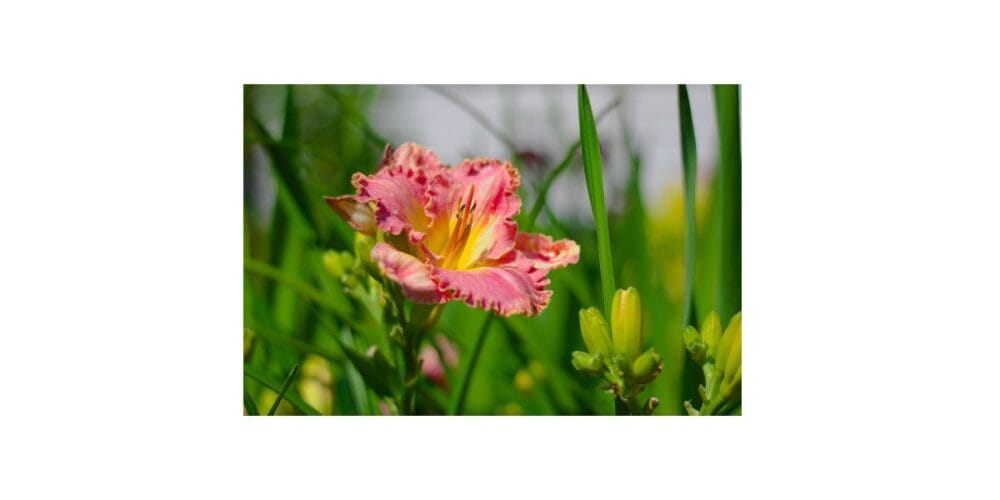
Perennial plants live for more than two years, often returning season after season from the same root system. While their top growth may die back in winter, the roots survive underground and regrow when conditions improve.
Key Characteristics of Perennial Plants
- Long-lived (3–10+ years)
- Bloom for a specific period each year
- Low maintenance once established
- Grow stronger over time
Common Perennial Plants
- Lavender
- Rose
- Daylily
- Peony
- Mint
- Asparagus
Perennials form the backbone of many gardens. Although their bloom time is often shorter than annuals, they make up for it with reliability, structure, and longevity.
Pros and Cons of Perennials
Pros:
- Come back every year
- Lower maintenance over time
- Cost-effective in the long run
Cons:
- Shorter bloom period
- Take longer to establish
Annual vs Biennial vs Perennial: Quick Comparison
| Feature | Annuals | Biennials | Perennials |
| Life Span | 1 year | 2 years | 3+ years |
| Bloom Time | All season | Second year | Seasonal |
| Replanting | Every year | Every 2 years | Rare |
| Maintenance | High | Moderate | Low |
| Cost Over Time | High | Medium | Low |
Which Type of Plant Is Best for Your Garden?
The best gardens usually include a mix of annuals, biennials, and perennials. Each type plays a unique role:
- Use annuals for instant color, containers, and filling gaps
- Use biennials for structural interest and self-seeding displays
- Use perennials for long-term garden design and low maintenance
Climate also matters. Some plants grown as annuals in cold regions behave like perennials in warmer areas. For example, geraniums and peppers may survive year-round in frost-free climates.
Also Read: The Flowering Rose: A Timeless Symbol of Beauty and Love
Final Thoughts
Understanding the difference between perennial, biennial, and annual plants gives you greater control over your garden’s appearance and workload. Annuals bring bold, nonstop blooms, biennials reward patience with stunning second-year displays, and perennials provide dependable beauty year after year.
By choosing the right combination for your space and climate, you can create a garden that evolves beautifully—season after season, year after year.
Also Read: About Perennial, Biennial, and Annual Plants: What’s the Difference? on gardenary.com Site