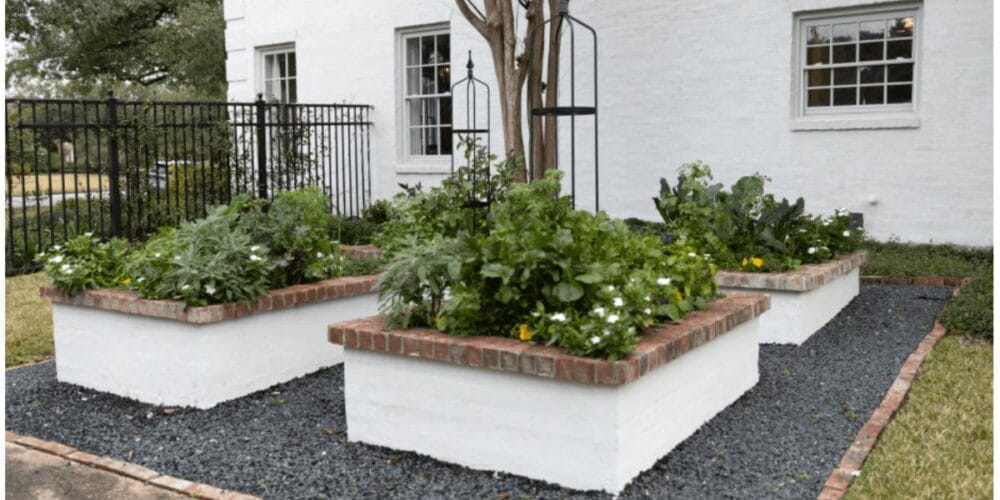
Our Favorite DIY Raised Garden Bed Ideas
They improve drainage, warm up faster in spring, reduce weed pressure, and make gardening more accessible. Best of all, raised beds are perfect for DIY projects. With a little creativity, you can build a functional and attractive garden bed using affordable or even recycled materials.
In this blog, we share our favorite DIY raised garden bed ideas that suit different spaces, budgets, and gardening goals. Whether you’re growing vegetables, herbs, or flowers, these ideas will inspire you to create a productive garden you’ll love.
Table of Contents
Why Choose DIY Raised Garden Beds?
Before diving into ideas, let’s quickly look at why DIY raised beds are so popular:
- Customizable size and height for your space
- Better soil control for healthier plants
- Improved drainage and aeration
- Easier maintenance with less bending and kneeling
- Budget-friendly when made with reused or local materials
DIY beds also let you express your personal style, turning your garden into a beautiful outdoor feature.




1. Classic Wooden Raised Garden Beds
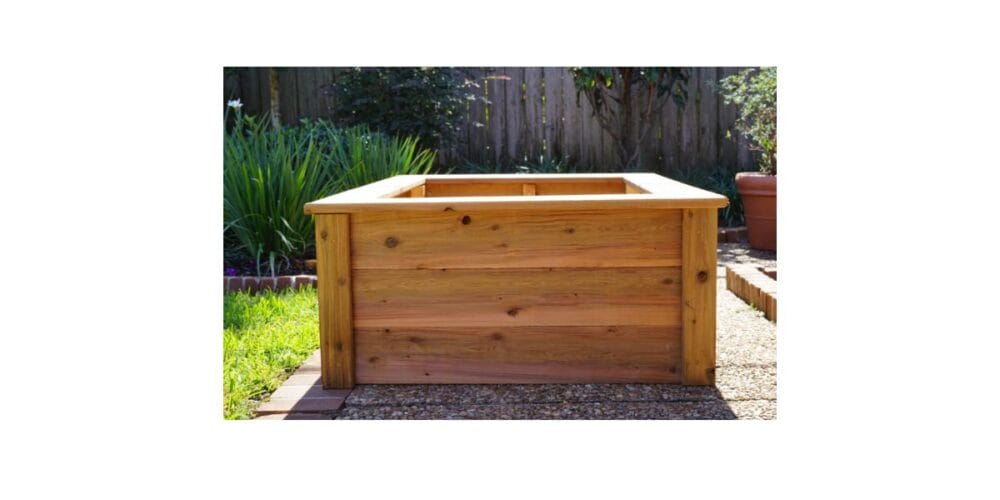
Wooden raised beds are a timeless favorite and one of the easiest DIY options. They’re versatile, attractive, and suitable for most garden styles.
Best materials:
- Untreated cedar or redwood (naturally rot-resistant)
- Pine or locally available wood (more affordable, shorter lifespan)
Why we love it:
- Simple construction
- Works for vegetables, herbs, and flowers
- Easy to expand or modify
You can keep the design basic with straight planks or add corner posts for extra strength. For longer life, line the inside with landscape fabric and keep wood slightly above ground level.
Also Read: The Best Types of Basil to Grow in an Herb Garden
2. Pallet Wood Raised Beds
If you enjoy upcycling, pallet wood raised beds are a fantastic eco-friendly option. Old wooden pallets can be transformed into rustic garden beds with minimal cost.
Why we love it:
- Almost free materials
- Sustainable and creative
- Perfect for small gardens and herbs
Make sure to use heat-treated pallets (marked HT) and avoid chemically treated ones. Pallet beds work best for shallow-rooted crops like lettuce, spinach, basil, and coriander.
3. Concrete Block Raised Garden Beds
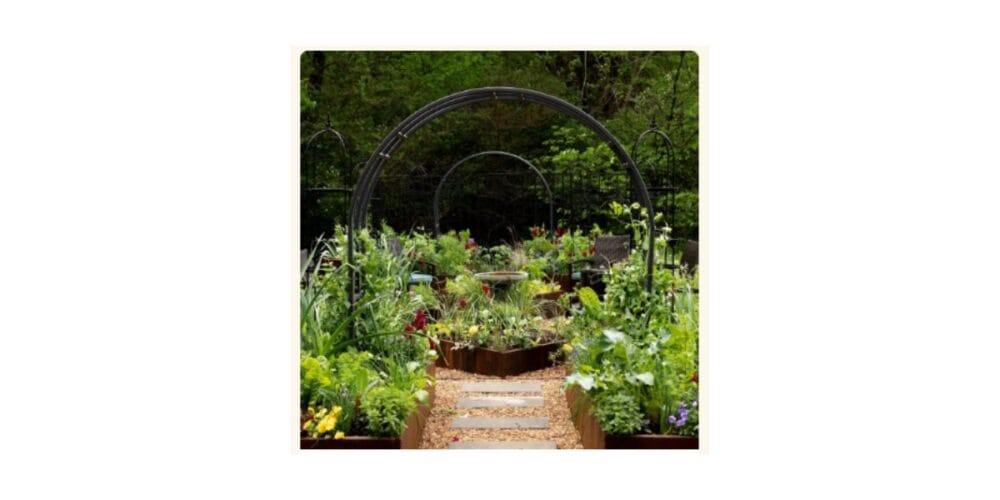
Concrete or cinder blocks offer durability and flexibility, making them a great DIY choice.
Why we love it:
- Long-lasting and sturdy
- No cutting or carpentry needed
- Built-in planting holes in the blocks
You can arrange blocks into any shape—square, rectangular, or even curved. The holes in the blocks are perfect for growing herbs or flowers, maximizing your growing space.
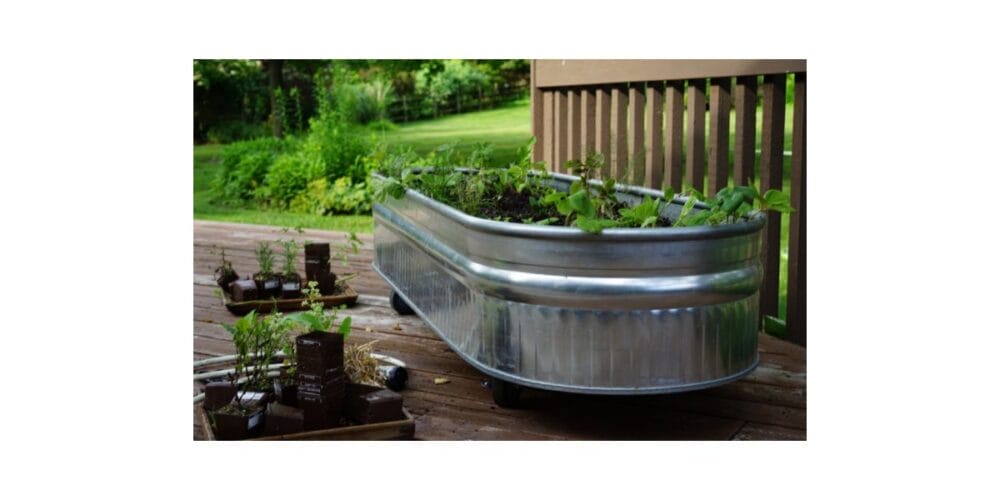
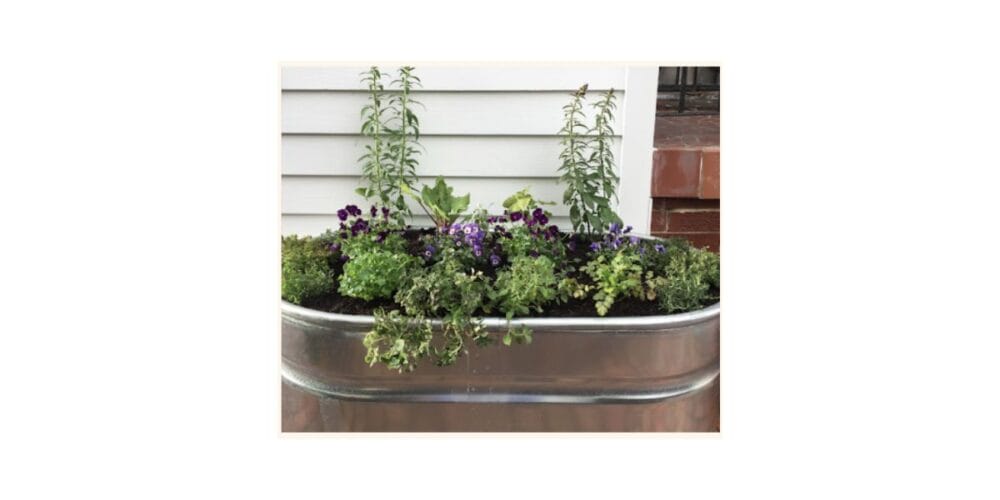
4. Metal Raised Garden Beds (DIY Style)
Metal raised beds are modern, sleek, and surprisingly easy to DIY using corrugated metal sheets and a wooden frame.
Why we love it:
- Contemporary look
- Long lifespan
- Excellent drainage
Metal beds heat up faster, which is great for early-season vegetables. Just ensure the edges are covered or folded for safety, and line the interior to protect roots from extreme heat.
5. Raised Beds Using Old Furniture
One of the most creative DIY ideas is turning old furniture into raised garden beds. Dressers, drawers, and even old tables can be repurposed beautifully.
Why we love it:
- Unique, eye-catching designs
- Great for patios and balconies
- Perfect for herbs and ornamental plants
Just drill drainage holes, add a waterproof liner, and fill with quality soil. These beds are ideal for urban gardeners with limited space.
Also Read: Complete Guide to Starting a Garden: From Planning to Planting
6. Stone or Brick Raised Garden Beds
Stone and brick beds bring a natural, elegant look to your garden. While slightly more labor-intensive, they’re incredibly durable.
Why we love it:
- Extremely long-lasting
- Adds value and structure to the garden
- Excellent for permanent garden layouts
Dry-stacked stones are easier for DIY beginners, while mortared brick beds offer a more finished look. These beds work well for perennials, vegetables, and flowering plants.
7. Vertical Raised Garden Beds
Short on space? Vertical raised beds are perfect for balconies, terraces, and small yards.
Why we love it:
- Maximizes growing area
- Ideal for herbs, greens, and strawberries
- Easy to maintain and harvest
You can build vertical beds using stacked planters, wooden frames with pockets, or wall-mounted boxes. They also improve airflow and reduce pest problems.
8. Fabric or Grow Bag Raised Beds
Fabric raised beds or grow bags are a flexible and beginner-friendly DIY solution.
Why we love it:
- Lightweight and portable
- Excellent drainage and aeration
- Affordable and easy to set up
They’re great for seasonal crops like tomatoes, peppers, potatoes, and leafy greens. When not in use, they can be folded and stored easily.
Also Read: How to Cut Back Chives and What to Do with Their Blossoms
Tips for Building the Perfect DIY Raised Bed
No matter which idea you choose, keep these tips in mind:
- Choose the right location: At least 6–8 hours of sunlight daily
- Use quality soil mix: Combine garden soil, compost, and organic matter
- Ensure proper drainage: Essential for healthy roots
- Pick the right height: 6–12 inches for shallow crops, 18–24 inches for deep-rooted plants
- Protect against pests: Use mesh or liners if needed
Final Thoughts
DIY raised garden beds are a rewarding way to grow healthier plants while adding character to your garden. From classic wooden designs to creative upcycled solutions, there’s a raised bed idea for every gardener and every space. The best part? You can start small, experiment freely, and expand as your confidence grows.
Whether you’re a beginner or an experienced gardener, these DIY raised garden bed ideas make gardening more accessible, productive, and enjoyable. Pick the style that suits your space, gather your materials, and start building your dream garden—one raised bed at a time.
Also Read: About Our Favourite DIY Raised Garden Bed Ideas on gardenary.com Site