How to Grow Gardenia Plant
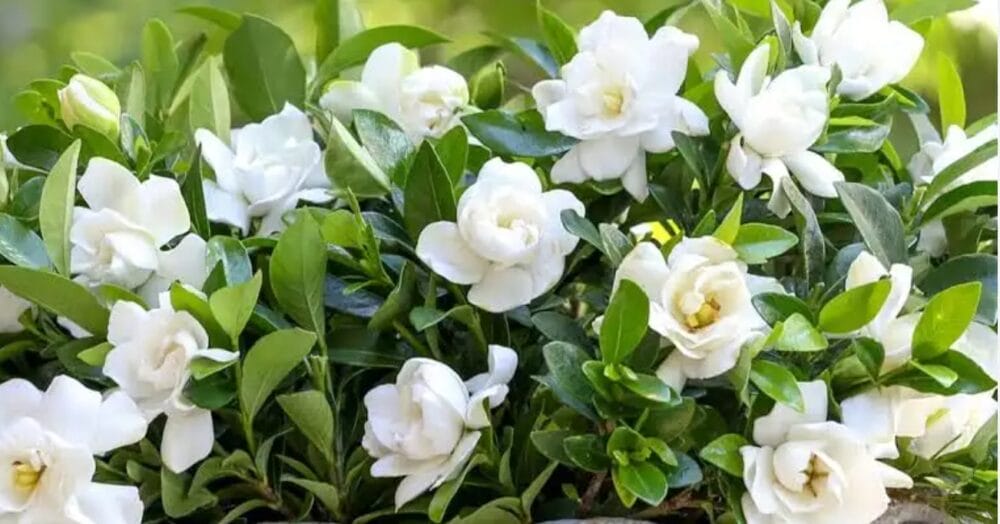
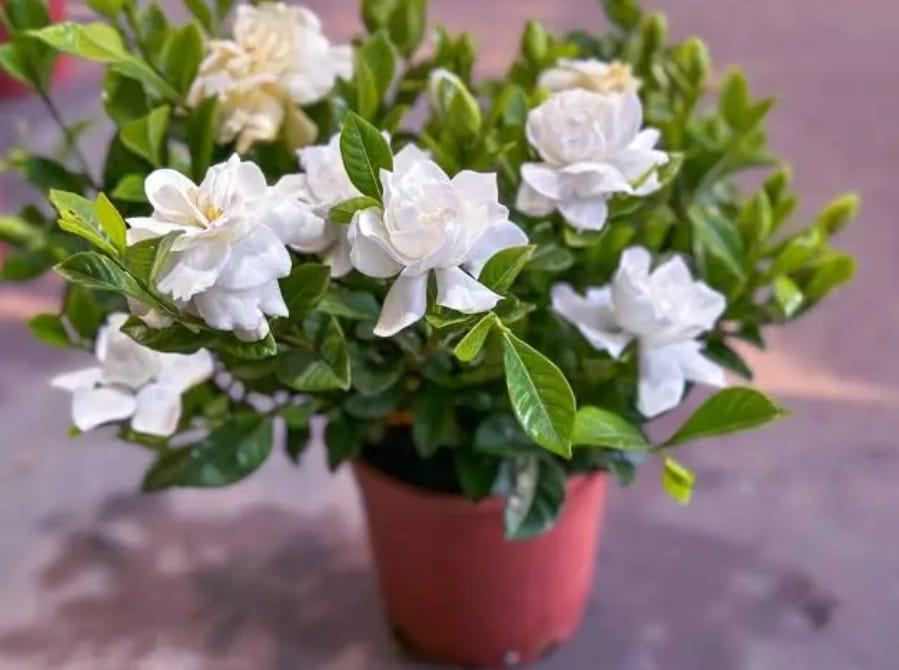
Gardenia is one of the most loved flowering plants for home gardens, balconies, and indoor spaces. Known for its glossy green leaves and strong, sweet fragrance, the gardenia plant adds elegance and freshness to any home. Although gardenias are slightly sensitive compared to other flowering plants, with the right care they can thrive beautifully at home.
In this blog, we’ll explore everything you need to know about growing gardenia plants at home, from planting and soil preparation to watering, fertilizing, and flowering tips.
About the Gardenia Plant
Gardenia (Gardenia jasminoides) is a tropical evergreen shrub native to Asia. It is often called Cape Jasmine due to its jasmine-like scent. Gardenias bloom creamy white flowers, usually during late spring and summer, and sometimes even multiple times a year under ideal conditions.
Best Location to Grow Gardenia at Home
Gardenia plants grow best in bright, indirect sunlight. Direct harsh sunlight can burn the leaves, while too little light can reduce flowering.


Ideal placement:
- Near a window with filtered sunlight
- Balcony or terrace with morning sun
- Outdoor garden with partial shade
Gardenias prefer warm temperatures between 18–30°C, making them suitable for most Indian climates.
Also Read: How to Care for Lucky Bamboo: A Complete Guide for Healthy Growth
Soil Preparation for Gardenia Plant
Soil quality plays a major role in gardenia growth and blooming. Gardenias love slightly acidic, well-draining soil.
Ideal soil mix:
- Garden soil – 40%
- Coco peat or peat moss – 30%
- Compost or vermicompost – 20%
- Sand or perlite – 10%
The soil pH should be between 5.0 and 6.5. Avoid alkaline soil, as it can cause yellowing leaves.
Planting Gardenia at Home
You can grow gardenia from nursery saplings or cuttings, but beginners should start with a healthy sapling.
Steps to plant:
- Choose a pot with drainage holes.
- Fill it with prepared soil mix.
- Place the gardenia sapling carefully.
- Fill soil around roots and press gently.
- Water thoroughly after planting.
A 10–12 inch pot is ideal for one gardenia plant.
Watering Schedule
Gardenias like consistently moist soil but hate waterlogging.
Watering tips:
- Water when the topsoil feels slightly dry
- Use room-temperature water
- Reduce watering during winter
- Ensure proper drainage
Overwatering can cause root rot, while underwatering can lead to bud drop.
Fertilizer and Nutrition
Gardenia plants are heavy feeders, especially during the growing and flowering season.
Best fertilizers:
- Acidic liquid fertilizer (every 15 days)
- Vermicompost once a month
- Bone meal or banana peel compost for flowering
- Epsom salt (once a month) to prevent yellow leaves
Avoid over-fertilizing, as it can damage roots.
Also Read: 7 Essential Nutrients for Plants
Pruning and Maintenance
Pruning helps maintain shape and encourages new growth.
Pruning tips:
- Prune after flowering
- Remove dead, weak, or yellow branches
- Avoid heavy pruning during flowering season
Regularly wipe leaves to keep them dust-free and shiny.
Common Problems and Solutions
Yellow leaves:
Caused by alkaline soil or iron deficiency. Use acidic fertilizer.
Bud drop:
Due to temperature changes, overwatering, or low humidity.
Pests:
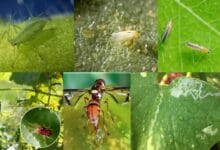
Aphids, mealybugs, and spider mites can attack gardenias. Use neem oil spray every 10–15 days.
Tips for More Flowers
- Maintain consistent moisture
- Use acidic fertilizer regularly
- Provide morning sunlight
- Keep humidity moderate
- Avoid shifting the plant frequently
With proper care, gardenia plants reward you with fragrant blooms and lush greenery.
Frequently Asked Questions (FAQ)
1. Can gardenia be grown indoors?
Yes, gardenia can be grown indoors near a bright window with indirect sunlight and good air circulation.
2. How often does gardenia bloom?
Gardenia usually blooms once or twice a year, mainly in spring and summer. With good care, repeat flowering is possible.
3. Why are gardenia leaves turning yellow?
Yellow leaves are often due to alkaline soil, iron deficiency, or overwatering.
4. How much sunlight does a gardenia need?
Gardenia needs 4–6 hours of bright, indirect sunlight daily. Morning sunlight is best.
5. Can gardenia grow in pots?
Yes, gardenia grows very well in pots with proper drainage and acidic soil.
6. Which fertilizer is best for gardenia?
Acidic fertilizers, vermicompost, bone meal, and Epsom salt work best for gardenia plants.
7. Is gardenia a low-maintenance plant?
Gardenia requires moderate care. Once you understand its needs, it becomes easier to maintain.
Conclusion:
Growing a gardenia plant at home may require a little extra attention, but the reward is worth it. Its heavenly fragrance, elegant flowers, and evergreen leaves make it a perfect choice for home gardeners who love flowering plants. With the right soil, light, and care, your gardenia will thrive and bloom beautifully year after year.
Also Read: Top 5 Health Benefits of Persimmons