
How to Grow Anise Hyssop in Your Garden
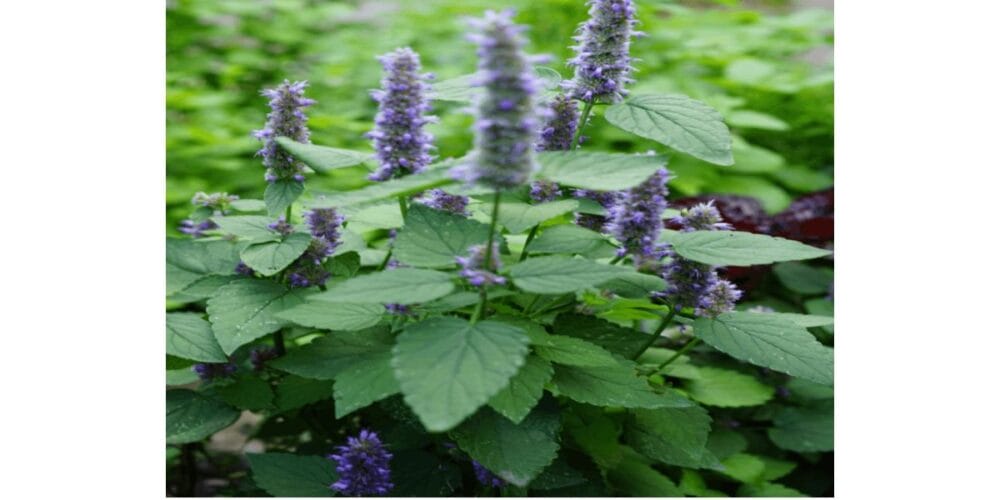
Anise hyssop (Agastache foeniculum) is a beautiful, low-maintenance perennial herb that deserves a spot in every garden. Loved for its licorice-like fragrance, edible leaves and flowers, and ability to attract pollinators, anise hyssop is both ornamental and useful. Whether you’re growing herbs for tea, wildlife, or visual appeal, this hardy plant is a rewarding choice for beginners and experienced gardeners alike.
In this guide, you’ll learn everything you need to know about growing anise hyssop successfully in your garden.
Table of Contents
What Is Anise Hyssop?
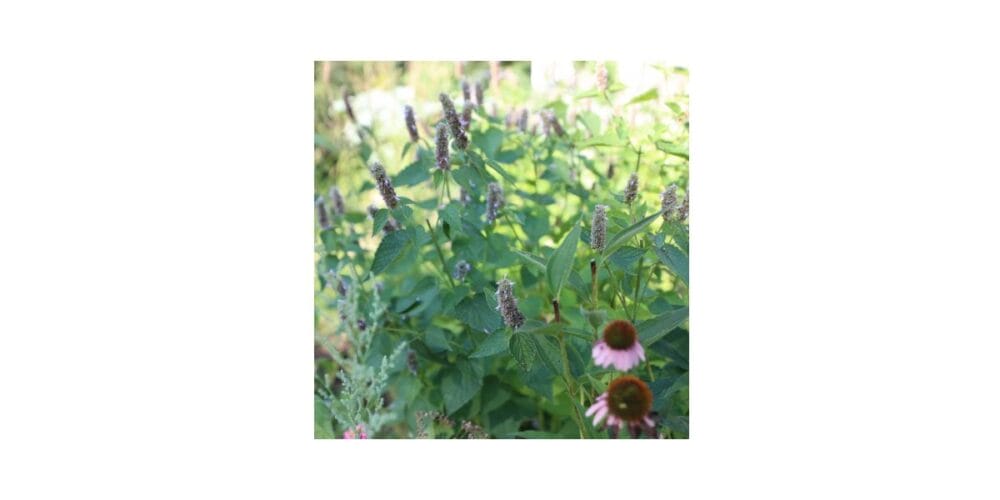
Anise hyssop is a member of the mint family (Lamiaceae) but is far less invasive than common mint. Native to North America, it grows upright with soft green leaves and long spikes of lavender-purple flowers that bloom from mid-summer to early fall.
Key features:
- Perennial in USDA zones 4–9
- Grows 2–4 feet tall
- Aromatic leaves with a sweet anise flavor
- Highly attractive to bees, butterflies, and hummingbirds
Choosing the Right Location
Sunlight Requirements
Anise hyssop thrives in full sun, needing at least 6–8 hours of direct sunlight daily. While it can tolerate light shade, flowering and fragrance are best in sunny locations.
Soil Preferences
This herb prefers well-draining soil. Sandy or loamy soils are ideal, but it adapts well to average garden soil.
Soil tips:
Avoid heavy clay or waterlogged areas
Soil pH between 6.0 and 7.5 is ideal
Improve drainage by adding compost if needed
Also Read: Aloe Vera Plant with Flower: A Rare and Beautiful Sight
How to Grow Anise Hyssop from Seed
Anise hyssop is easy to grow from seed and often self-sows once established.
Starting Seeds Indoors
- Start seeds 6–8 weeks before the last frost
- Sow seeds on the soil surface and lightly press them in (they need light to germinate)
- Keep soil moist but not soggy
- Seeds typically germinate in 7–14 days
Direct Sowing Outdoors
- Sow seeds outdoors after the danger of frost has passed
- Scatter seeds and gently rake them into the soil
- Thin seedlings to 12–18 inches apart
Planting Anise Hyssop Seedlings
If using nursery plants or transplants:
- Dig a hole slightly larger than the root ball
- Place the plant at the same depth it was growing previously
- Backfill with soil and water thoroughly
- Space plants 12–24 inches apart to allow airflow
Watering and Feeding
Watering Needs
Anise hyssop is drought-tolerant once established, making it ideal for low-water gardens.
- Water regularly during the first growing season
- After establishment, water only during prolonged dry periods
- Avoid overwatering to prevent root rot
Fertilizing
This herb doesn’t require heavy feeding.
- Add compost at planting time
- Avoid high-nitrogen fertilizers, which reduce flowering
Caring for Anise Hyssop Plants
Pruning and Deadheading
- Deadhead spent flowers to encourage continuous blooming
- Cut back plants by about one-third in early summer for bushier growth
- In late fall or early spring, cut back dead stems to ground level
Mulching
Apply a light layer of mulch to:
- Retain soil moisture
- Suppress weeds
- Protect roots in colder climates
Pests and Diseases
One of the biggest advantages of anise hyssop is its excellent resistance to pests and diseases.
Common benefits:
- Rarely affected by aphids or mites
- Deer and rabbits usually avoid it
- Good airflow prevents fungal issues
Overwatering is the main cause of problems, so ensure proper drainage.
Also Read: 5 Benefits of Growing Calendula Flowers in Your Vegetable Garden
Harvesting Anise Hyssop
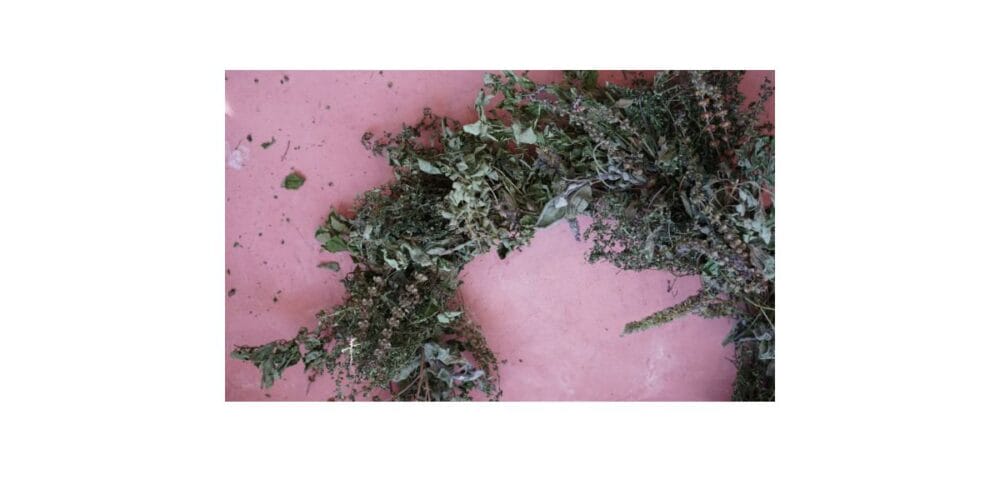
You can harvest both the leaves and flowers for culinary and medicinal use.
When to Harvest
- Harvest leaves anytime during the growing season
- Flowers are best harvested when fully open
How to Harvest
- Use clean scissors or pruners
- Cut stems just above a leaf node
- Never harvest more than one-third of the plant at a time
Leaves can be used fresh or dried for later use.
Also Read: Best Plants For October: Flowers, Vegetables & Herbs
Uses of Anise Hyssop in the Garden and Kitchen
Culinary Uses
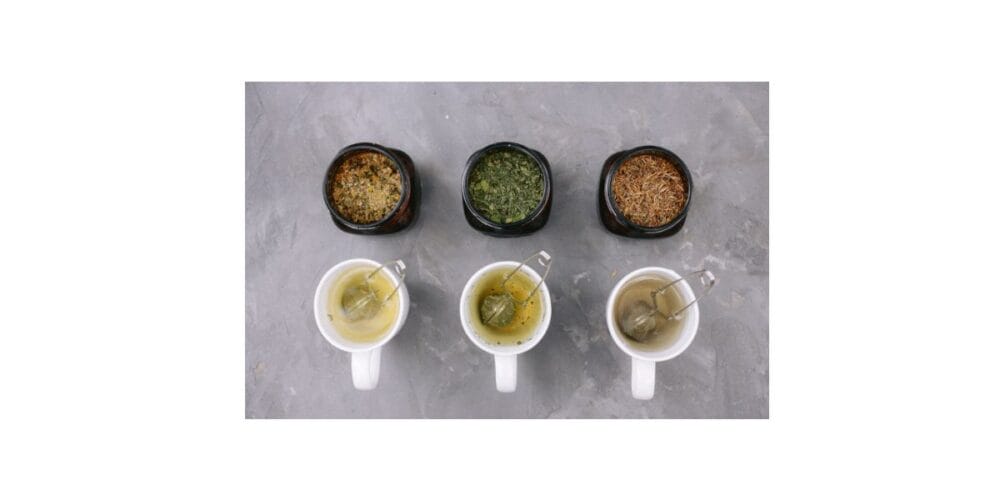
- Herbal teas
- Salads and fruit dishes
- Desserts and baked goods
- Flavoring honey or syrups
Garden Benefits
- Attracts pollinators
- Works well in herb gardens, borders, and wildflower beds
- Excellent companion plant for vegetables
Overwintering Anise Hyssop
In colder regions:
- Leave seed heads in fall to encourage self-seeding
- Apply mulch around the base for winter protection
- New growth will emerge in spring
In warmer climates, plants may stay partially evergreen.
Final Thoughts
Anise hyssop is a versatile, fragrant, and pollinator-friendly plant that’s incredibly easy to grow. With minimal care, it rewards gardeners with months of blooms, useful leaves, and vibrant garden life. Whether you’re planting an herb garden, creating a pollinator haven, or simply adding a hardy perennial to your landscape, anise hyssop is an excellent choice.
Once planted, you’ll enjoy its beauty and benefits year after year—making it a true garden favorite.
Also Read: About How to Grow Anise Hyssop in Your Garden on gardenary.com Site