How to Grow and Harvest Your Own Organic Rosemary
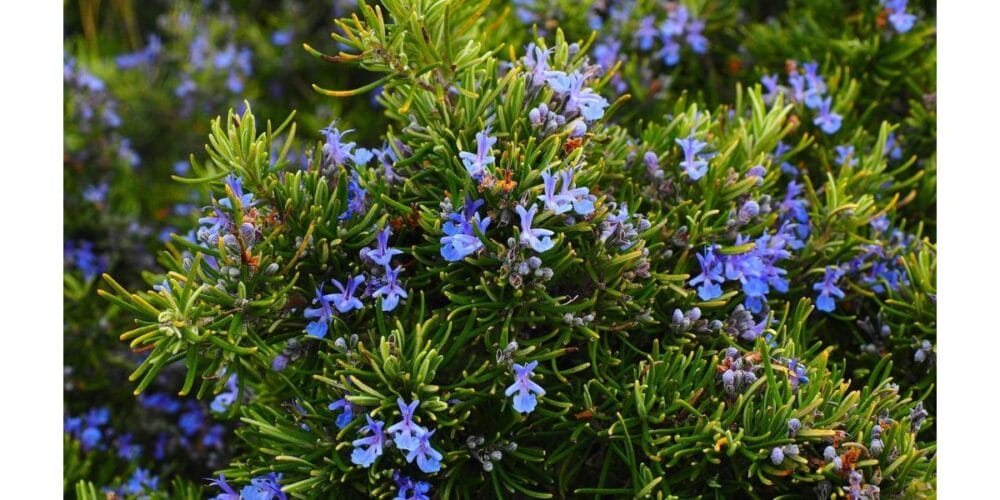
Rosemary (Salvia rosmarinus) is one of the most rewarding herbs to grow at home. With its fragrant, needle-like leaves and woody stems, rosemary is a staple in organic kitchens and herb gardens worldwide. The best part? Once established, this hardy perennial requires minimal care and provides fresh harvests year-round.
In this guide, you’ll learn how to grow and harvest your own organic rosemary, whether in the ground, raised beds, or containers.
Table of Contents
Why Grow Organic Rosemary at Home?
Growing rosemary organically ensures you get chemical-free, flavorful herbs straight from your garden. Homegrown rosemary contains higher essential oil content than store-bought versions and offers multiple benefits:




- Enhances flavor in cooking
- Supports pollinators when flowering
- Acts as a natural pest repellent
- Requires low maintenance once established
- Thrives in both gardens and pots
Organic rosemary is ideal for beginners and experienced gardeners alike.
Choosing the Right Rosemary Variety

Several rosemary varieties grow well organically. Choose based on your climate and purpose:
- Tuscan Blue – Upright growth, excellent for cooking
- Arp Rosemary – Cold-hardy, ideal for cooler climates
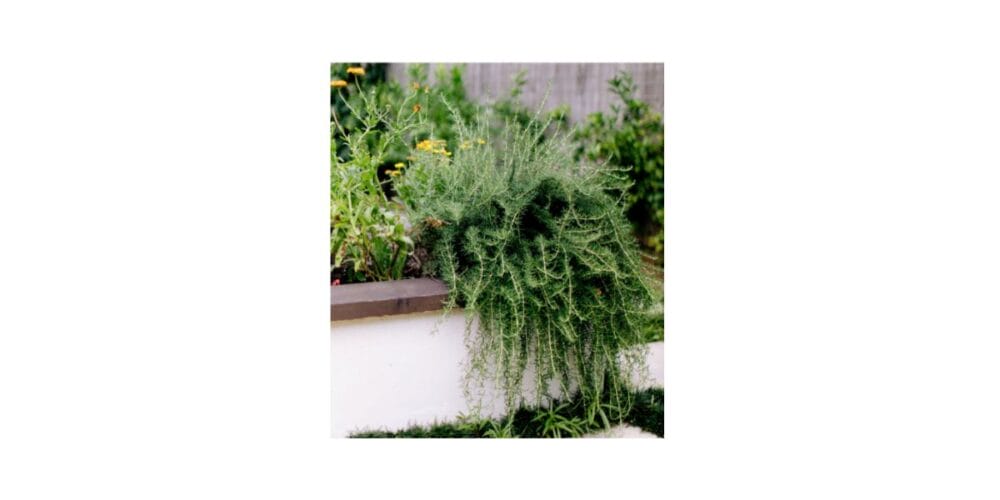
- Prostrate Rosemary – Trailing variety for containers and ground cover
- Gorizia – Broad leaves with a strong aroma
For Indian and warm climates, upright varieties perform best.
Also Read: Marigold Farming: A Complete Guide to Profitable Flower Cultivation
Ideal Growing Conditions for Organic Rosemary
Sunlight Requirements
Rosemary loves full sun. Provide at least 6–8 hours of direct sunlight daily for healthy growth and strong aroma.
Soil Preparation
Well-draining soil is essential. Rosemary does not tolerate waterlogged conditions.
Best soil mix:
- Garden soil or sandy loam
- Compost or well-rotted manure (20–30%)
- Sand or perlite for drainage
Soil pH should range between 6.0 and 7.5.
Container vs Ground Planting
- Containers: Perfect for balconies and patios; ensure drainage holes
- Ground: Ideal for long-term growth in warm regions
How to Plant Organic Rosemary
From Seeds
Growing rosemary from seed requires patience.
- Sow seeds in trays with light potting mix
- Keep soil moist but not wet
- Germination may take 2–4 weeks
From Cuttings (Recommended)
This is the easiest and fastest method.
- Take a 4–6 inch cutting from a healthy plant
- Remove lower leaves
- Plant in moist organic potting mix
- Roots form within 2–3 weeks
Spacing
Allow 18–24 inches between plants for airflow and bushy growth.
Watering and Organic Care
Watering Schedule
Rosemary prefers deep but infrequent watering.
- Water when the topsoil feels dry
- Avoid overwatering to prevent root rot
Organic Fertilization
Rosemary is a light feeder.
- Add compost during planting
- Feed once or twice a year with vermicompost or liquid seaweed
- Avoid excess nitrogen, which reduces aroma
Mulching
Use organic mulch like straw or dry leaves to conserve moisture and suppress weeds.
Also Read: Aloe Vera Plant with Flower: A Rare and Beautiful Sight
Pruning and Maintenance Tips
Regular pruning keeps rosemary compact and productive.
- Begin pruning once the plant reaches 6–8 inches tall
- Trim soft, green growth—not woody stems
- Prune lightly after flowering
- Never remove more than one-third of the plant at once
Pruning encourages fresh growth and stronger flavor.
Organic Pest and Disease Control
Rosemary is naturally pest-resistant, but occasional issues may arise.
Common pests:
- Aphids
- Spider mites
Organic solutions:
- Neem oil spray
- Soap water spray
- Good airflow and sunlight
Avoid overhead watering to prevent fungal diseases.
How to Harvest Rosemary Correctly
When to Harvest
You can start harvesting once the plant is 8–10 inches tall.
- Best time: Morning, after dew dries
- Flavor is strongest just before flowering
How to Harvest
- Use clean, sharp scissors
- Cut 4–6 inch sprigs from soft stems
- Harvest from different areas to maintain shape
Regular harvesting promotes bushy growth.
Also Read: 5 Benefits of Growing Calendula Flowers in Your Vegetable Garden
Storing and Using Your Organic Rosemary

Fresh Storage
- Wrap sprigs in damp paper towel
- Store in refrigerator for up to 2 weeks
Drying Rosemary
- Tie sprigs into small bundles
- Hang upside down in a dry, shaded area
- Store dried leaves in airtight containers
Uses
- Season meats, potatoes, soups, and breads
- Herbal teas and infused oils
- Natural hair and skincare remedies
Final Thoughts
Learning how to grow and harvest your own organic rosemary is a rewarding step toward a sustainable kitchen garden. With minimal effort, this aromatic herb offers year-round harvests, culinary versatility, and ornamental beauty. Whether grown in a pot on your balcony or in your backyard garden, organic rosemary is a must-have herb that keeps giving for years.
Start small, care organically, and enjoy the unbeatable taste of fresh rosemary straight from your garden .
Also Read: About How to Grow and Harvest Your Own Organic Rosemary on gardenary.com Site