Squash Cultivation Made Easy: A Complete Guide to Growing Healthy, High-Yield Squash at Home

Squash Cultivation
Squash is one of the most rewarding vegetables to grow, whether you are a home gardener or a small-scale farmer. With its fast growth, high productivity, and versatility in the kitchen, squash has earned a permanent place in vegetable gardens worldwide.
This guide will walk you through everything you need to know about squash cultivation—from soil preparation to harvesting—so you can enjoy a healthy and abundant crop.
Table of Contents
Introduction to Squash
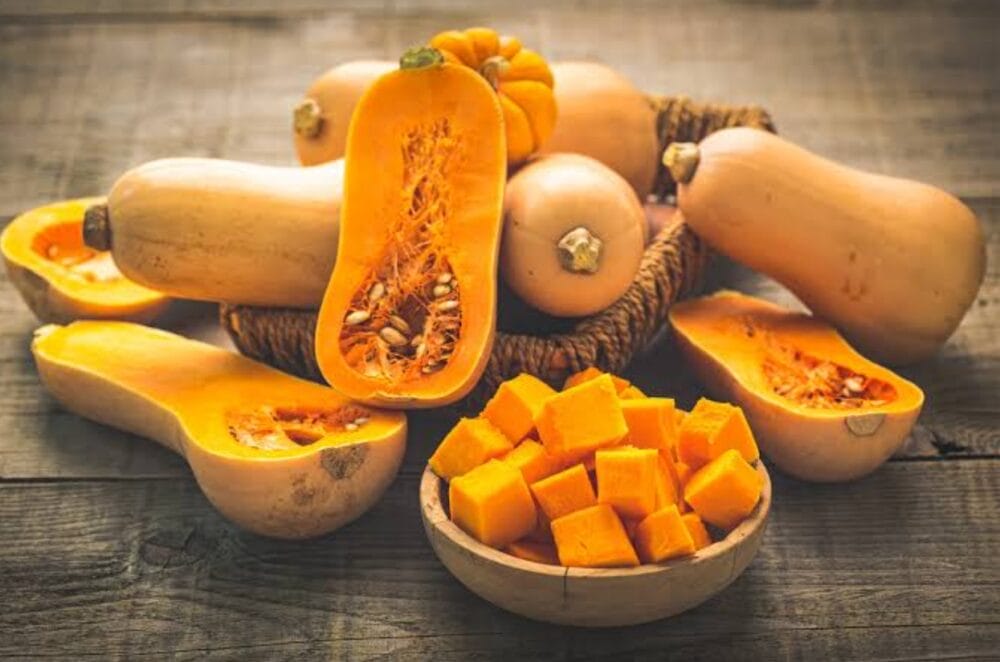
Squash belongs to the Cucurbita family and is broadly classified into summer squash (zucchini, yellow squash) and winter squash (butternut, pumpkin, acorn squash). Summer squash is harvested while tender and immature, whereas winter squash is allowed to mature fully and stored for long periods.
Both types are easy to grow when given the right conditions.




Also Read:Litchi Cultivation: Complete Guide for Successful Farming
Climate and Soil Requirements
Squash thrives in warm climates with plenty of sunlight. The ideal temperature for growth ranges between 18°C and 30°C. Frost can severely damage young plants, so sow seeds only after the danger of frost has passed.
For best results, squash prefers well-drained, fertile soil rich in organic matter. Sandy loam or loamy soil with a pH between 6.0 and 7.0 is ideal. Before planting, enrich the soil with compost or well-decomposed farmyard manure to improve fertility and moisture retention.
Seed Selection and Sowing
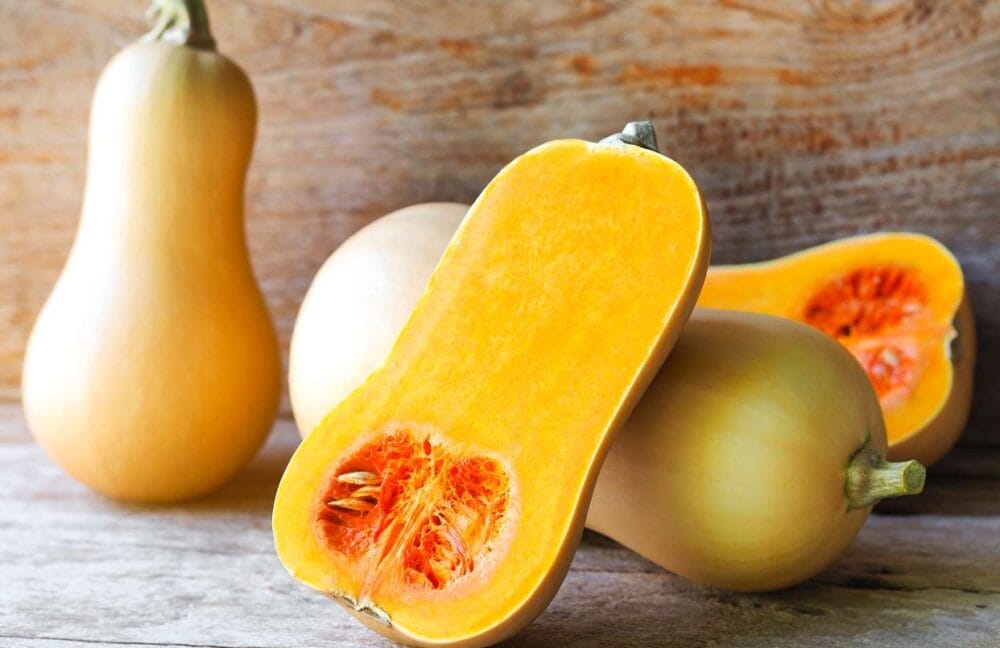
Choose high-quality, disease-resistant seeds suited to your local climate. Squash is usually direct-seeded rather than transplanted because it does not like root disturbance.
Sow seeds about 2–3 cm deep, spacing them 60–90 cm apart for bush varieties and 1.5–2 meters for vine types. Plant 2–3 seeds per hill and thin to the healthiest seedling after germination. Seeds typically germinate within 5–10 days.
Irrigation and Water Management
Squash plants require consistent moisture, especially during flowering and fruit development. Water deeply once or twice a week, depending on weather conditions. Avoid overhead watering, as wet leaves can encourage fungal diseases. Drip irrigation or watering at the base of the plant is recommended.
Mulching with straw or dry leaves helps conserve moisture, suppress weeds, and maintain even soil temperature.
Also Read: Top 7 Organic Fertilisers for Coconut Trees
Nutrient Management
Squash is a heavy feeder and benefits from balanced nutrition. Before planting, apply compost or well-rotted manure. During growth, use a balanced fertilizer rich in nitrogen, phosphorus, and potassium.
Nitrogen promotes leafy growth, while phosphorus and potassium support flowering and fruit development. Avoid excessive nitrogen, as it may lead to lush foliage with fewer fruits.
Weed and Pest Control
Keep the field or garden weed-free during the early growth stages, as weeds compete for nutrients and water. Hand weeding or shallow hoeing is effective.
Common pests affecting squash include aphids, squash vine borers, and cucumber beetles. Use neem oil, insecticidal soap, or biological controls to manage infestations. Regular monitoring helps detect problems early.
Disease Management
Squash plants can be affected by diseases such as powdery mildew, downy mildew, and mosaic viruses. To reduce disease risk:
- Practice crop rotation
- Ensure good air circulation
- Avoid wetting leaves during irrigation
- Remove and destroy infected plant parts
Using resistant varieties and maintaining field hygiene are key preventive measures.
Harvesting Squash
Summer squash is ready for harvest 40–60 days after sowing, while winter squash takes 80–120 days. Harvest summer squash when fruits are tender and glossy for the best flavor. Frequent harvesting encourages more fruit production.
Winter squash should be harvested when the rind becomes hard and fully colored. Cut fruits with a small portion of stem attached to extend storage life.
Yield and Storage
With proper care, squash plants produce a high yield. Summer squash should be consumed fresh, while winter squash can be stored in a cool, dry place for several months. Proper curing before storage helps prevent spoilage.
Frequently Asked Questions (FAQ)
Q1: How long does squash take to grow?
Most summer squash varieties mature in 40–60 days, while winter squash takes 80–120 days.
Q2: Can squash be grown in pots?
Yes, bush varieties of squash can be grown in large containers with good drainage and adequate sunlight.
Q3: How often should squash plants be watered?
Water deeply once or twice a week, ensuring consistent soil moisture without waterlogging.
Q4: Why are my squash flowers falling off?
This can happen due to lack of pollination, nutrient imbalance, or stress from temperature extremes.
Q5: What is the best fertilizer for squash?
A balanced fertilizer with organic compost works best, avoiding excess nitrogen.
Conclusion
Squash cultivation is simple, productive, and highly rewarding when basic growing requirements are met. With proper soil preparation, timely watering, and regular care, you can enjoy a continuous supply of fresh, nutritious squash.
Whether you’re growing it in a backyard garden or on a farm, squash is an excellent addition to your vegetable lineup.
Also Read: Growing Squash