Pansy Plant
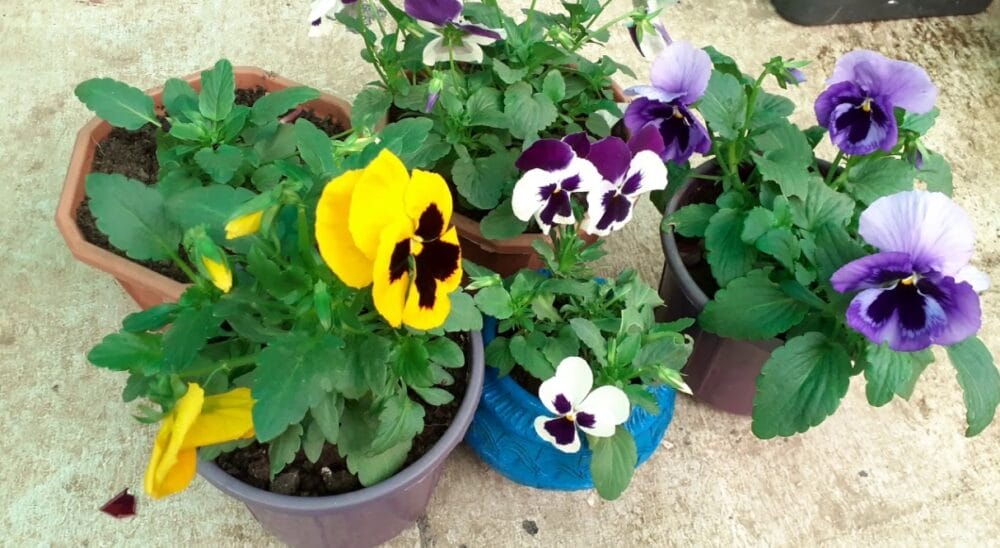
The pansy plant is one of the most loved ornamental flowers worldwide, admired for its bright colors, unique patterns, and cheerful appearance. Scientifically known as Viola tricolor var. hortensis, pansies belong to the Violaceae family and are widely grown in gardens, pots, balconies, and landscapes.
Their heart-shaped petals with contrasting “faces” make them stand out among winter flowers. Easy to grow and maintain, pansies are a favorite choice for both beginner and experienced gardeners.
What Is a Pansy Plant?
Pansies are cool-season flowering plants, usually grown as annuals or short-lived perennials. They thrive best in mild climates and bloom profusely during winter and early spring. The name “pansy” comes from the French word pensée, meaning “thought,” symbolizing remembrance and loving thoughts.
These plants are compact, typically growing 15–25 cm tall, making them ideal for borders, hanging baskets, window boxes, and container gardening.



Types and Varieties of Pansy Plants
Pansies are available in a wide range of colors and varieties, offering endless options for garden design. Some popular types include:
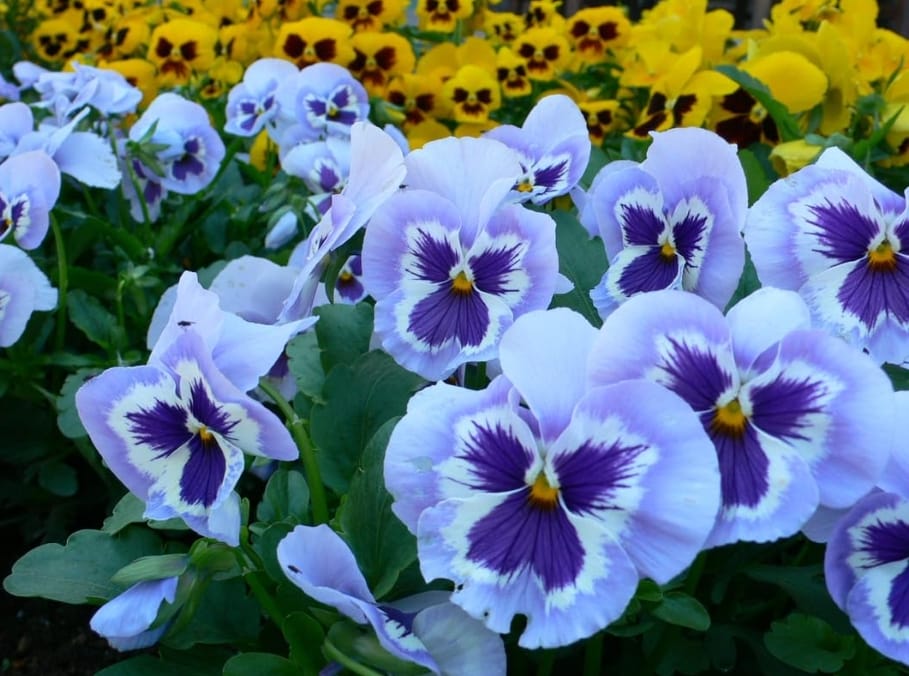
- Clear-faced pansies – Solid colors like yellow, white, purple, blue, and red
- Blotched pansies – Feature dark centers or “faces”
- Multicolored pansies – Two or three contrasting shades on petals
- Giant pansies – Larger blooms, ideal for landscape beds
- Trailing pansies – Suitable for hanging baskets
These varieties allow gardeners to create vibrant floral displays throughout the cooler months.
Ideal Climate and Soil for Pansy Plant
Pansies prefer cool to mild temperatures ranging from 10°C to 20°C. They grow best in regions with mild winters and can tolerate light frost.
For healthy growth, pansies need:
- Well-drained, fertile soil
- Soil rich in organic matter
- Slightly acidic to neutral pH (6.0–7.0)
Adding compost or well-rotted manure improves soil structure and enhances flowering.
How to Grow Pansy Plants
Sowing Seeds
Pansy plants can be grown easily from seeds. Seeds are usually sown in late summer or early autumn to ensure winter blooming.
Steps for sowing:
- Use seed trays or nursery beds with loose soil
- Sow seeds lightly and cover with a thin soil layer
- Water gently to keep soil moist
- Germination occurs in 7–14 days
Also Read: Basics of Composting at Home: A Complete Beginner’s Guide
Transplanting
Seedlings are ready for transplanting when they have 4–5 true leaves. Space plants 15–20 cm apart to allow proper growth and air circulation.
Pansy Plant Care Tips
Watering
Pansies require moderate watering. Overwatering can cause root rot, while underwatering may reduce flowering. Keep the soil slightly moist but never soggy.
Sunlight
These plants prefer full sun to partial shade. In warmer regions, partial shade during midday helps prevent heat stress.
Fertilization
Use a balanced liquid fertilizer or organic compost every 2–3 weeks to encourage continuous blooming. Avoid excess nitrogen, as it promotes leaf growth over flowers.
Also Read:Top 10 Benefits of Organic NPK Fertilizers for healthy plants
Deadheading
Regularly remove faded or wilted flowers to stimulate new blooms and keep the plant looking fresh.
Common Pests and Diseases
Although pansies are hardy, they may face some issues:
- Aphids – Cause curling of leaves
- Slugs and snails – Feed on leaves and flowers
- Powdery mildew – White fungal coating on leaves
- Root rot – Due to overwatering
Maintaining proper spacing, good air circulation, and controlled watering helps prevent most problems.
Benefits of Growing Pansy Plants
1. Aesthetic Appeal
Pansies add vibrant color and charm to gardens during dull winter months when most plants are dormant.
2. Easy Maintenance
They are low-maintenance plants, suitable for beginner gardeners.
3. Pollinator Friendly
Pansy flowers attract bees and butterflies, supporting local pollination.
4. Edible Flowers
Pansy petals are edible and often used in salads, desserts, and garnishes due to their mild flavor and attractive appearance.
5. Medicinal and Traditional Uses
Traditionally, pansy plants have been used in herbal remedies for skin conditions, coughs, and respiratory issues, though modern use should always be guided by experts.
Pansy Plant in Landscaping
Pansies are widely used in:
- Garden borders
- Flower beds
- Hanging baskets
- Window boxes
- Balcony gardens
Their compact size and long blooming period make them ideal for decorative gardening.
When Do Pansy Plants Bloom?
Pansies generally bloom from late autumn to early spring. With proper care, they can continue flowering for several months, providing long-lasting beauty.
Frequently Asked Questions (FAQ)
1. Is the pansy plant perennial or annual?
Pansy plants are typically grown as annuals, but in mild climates, they can behave as short-lived perennials.
2. How long do pansy plants last?
With good care, pansy plants can bloom continuously for 4–6 months, especially during cool weather.
3. Can pansy plants grow in pots?
Yes, pansies grow very well in pots and containers, provided there is proper drainage and sunlight.
4. How often should I water pansy plants?
Water pansies when the topsoil feels dry. Avoid waterlogging, as it can damage the roots.
5. Are pansy flowers edible?
Yes, pansy flowers are edible and commonly used as garnishes in salads, cakes, and desserts.
Also Read: Top 10 Health Benefits of Coconut: A Complete Guide to This Superfood