How to Grow Allspice: Complete Cultivation Guide for Beginners and Commercial Growers

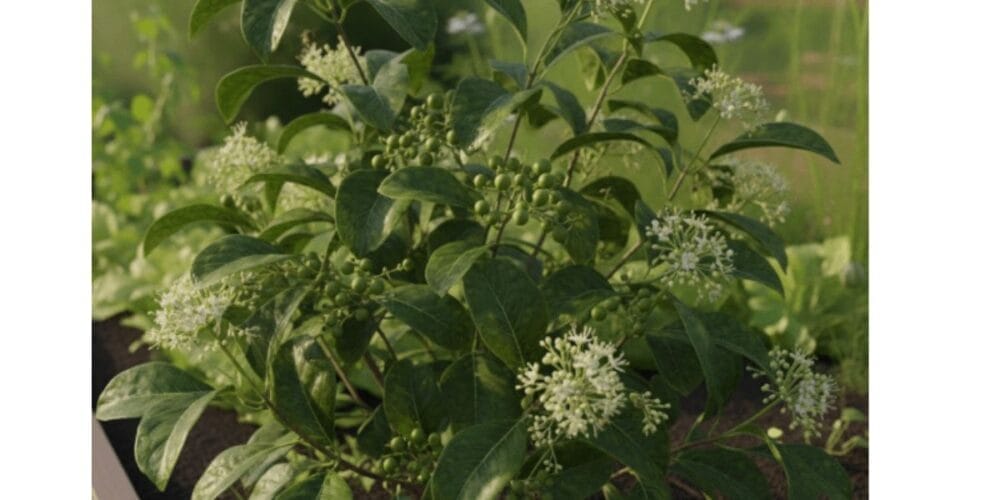
How to Grow Allspice
Allspice is a valuable spice crop known for its unique flavor that combines hints of clove, cinnamon, and nutmeg. It is widely used in cooking, herbal medicine, and spice blends. If you are planning to grow allspice in your garden or as a commercial crop, this detailed guide will help you understand every step from planting to harvesting.
Allspice is native to the Caribbean region, especially Jamaica, and grows best in warm tropical climates. With proper care, an allspice tree can produce high-quality berries for many years.
Table of Contents
What is Allspice?
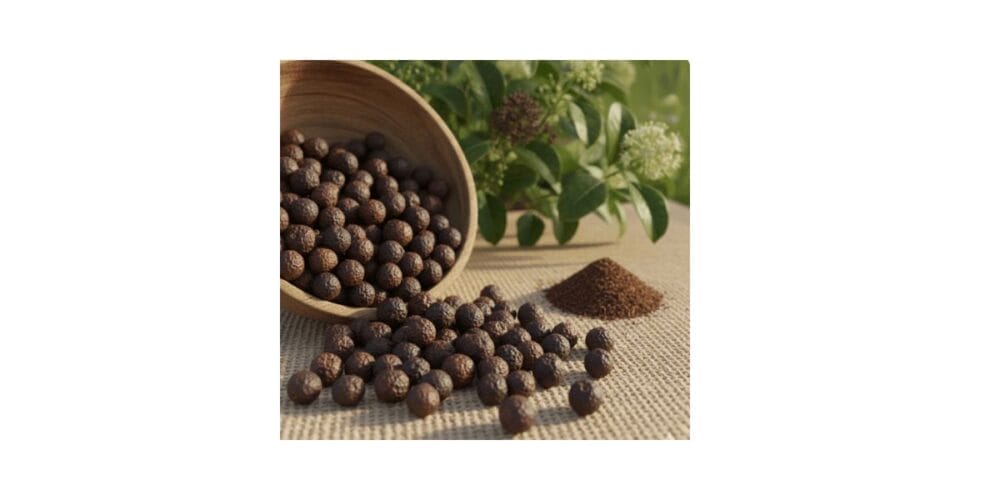
Allspice comes from the dried berries of the Pimenta dioica tree. The evergreen tree can grow up to 10–18 meters tall under ideal conditions. The berries are harvested when green and then dried to produce the familiar brown spice used worldwide.
Climate Requirements for Growing Allspice
Allspice grows best in:



- Tropical and subtropical climates
- Temperature range: 22°C – 30°C
- Annual rainfall: 1000–2000 mm
- High humidity conditions
The plant is sensitive to frost and cannot survive in cold climates. Coastal and humid regions are ideal.
Soil Requirements
Allspice prefers:
- Well-drained loamy soil
- Soil pH: 6.0 – 7.5
- Rich organic matter content
Avoid waterlogged soil because root rot can occur.
Pro Tip: Add well-decomposed farmyard manure or compost before planting.
Propagation Methods
Allspice can be grown through:
1. Seeds
- Most common method
- Seeds should be fresh for better germination
- Germination time: 4–6 weeks
2. Grafting or Cuttings
- Faster fruiting
- Uniform plant growth
Land Preparation
- Deep plough the field
- Remove weeds and stones
- Mix organic manure (10–15 kg per pit)
- Prepare pits of 50 cm × 50 cm × 50 cm
Spacing:
- Commercial farming: 6 m × 6 m
- Garden planting: 4–5 m spacing
Planting Season
Best planting time:
Monsoon season (June – September) in tropical regions
Early rainy season ensures proper establishment
Also Read: How to Grow Nigella Seeds – Complete Cultivation Guide
Irrigation Management
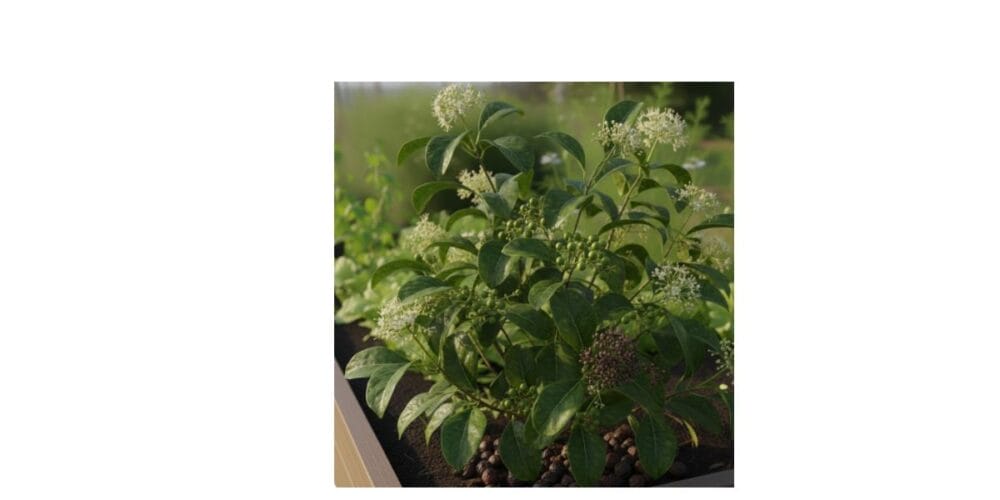
- Young plants require regular watering
- Mature plants are moderately drought tolerant
- Avoid overwatering
Irrigation schedule:
- Summer: Once every 5–7 days
- Winter: Once every 10–15 days (if dry)
Fertilizer Management
Recommended nutrient schedule per plant per year:
- FYM or compost: 10–20 kg
- Nitrogen (N): 100–200 g
- Phosphorus (P): 50–100 g
- Potassium (K): 100–150 g
Apply fertilizers in split doses during the growing season.
Weed Management
- Manual weeding during early growth stages
- Mulching helps conserve moisture and suppress weeds
Organic mulches like dry leaves, straw, or coconut husk are effective.
Pest and Disease Management
Common Pests
- Scale insects
- Mites
- Leaf-eating caterpillars
Common Diseases
- Leaf spot
- Root rot
Control Measures:
- Neem oil spray
- Proper drainage
- Remove infected plant parts
Flowering and Fruiting
Flowering starts after 3–5 years (seed-grown plants)
Grafted plants may fruit earlier
Pollination is mainly by insects
Also Read: How to Grow Cubeb Pepper: Complete Cultivation Guide for Farmers and Gardeners
Harvesting
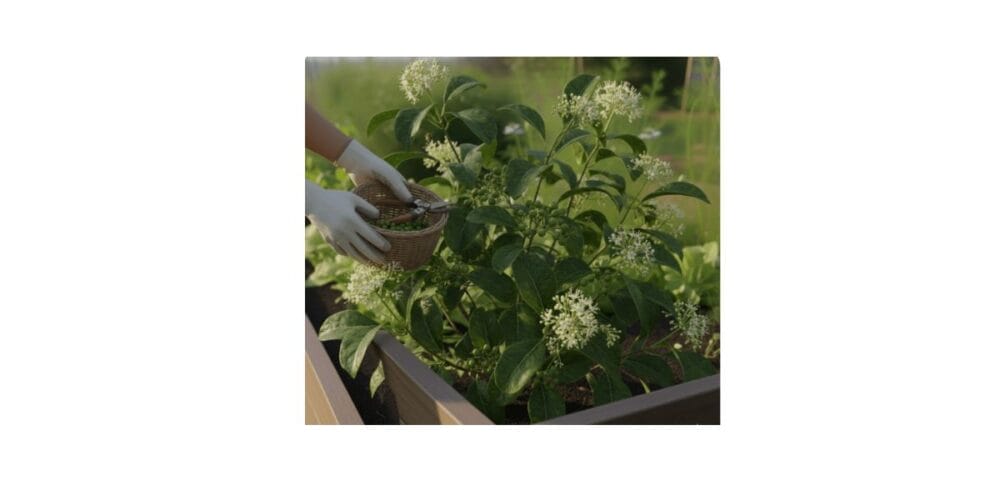
Harvest when berries are:
- Fully developed
- Still green (before turning red)
Harvesting is usually done manually by hand picking.
Post-Harvest Processing
- Collect berries carefully
- Sun dry for 7–10 days
- Store in airtight containers
Proper drying improves aroma and shelf life.
Yield Expectation
- Mature tree yield: 20–50 kg berries per year
- Economic lifespan: 30–40 years
Benefits of Growing Allspice
High market demand
Long productive life
Multiple uses (spice, medicine, essential oil)
Suitable for mixed cropping systems
Good export potential
Intercropping Options
During early years, you can grow:
- Ginger
- Turmeric
- Vegetables
- Medicinal plants
This helps increase farm income before trees mature.
Common Mistakes to Avoid
Waterlogging soil
Planting in frost-prone areas
Using old seeds
Poor drainage system
Overuse of chemical fertilizers
FAQs
How long does allspice take to grow?
Seed-grown plants take 3–5 years to start fruiting.
Can allspice be grown in pots?
Yes, but growth and yield will be limited.
Is allspice farming profitable?
Yes, especially in tropical regions with good market access.
Also Read: Magnesium Salt Uses in Agriculture: Benefits, Application Methods, and Farming Advantages
Final Opinion
Allspice is an excellent long-term spice crop for tropical farmers and gardeners. With proper soil preparation, irrigation, and nutrient management, the plant can provide stable income for decades. Since global demand for spices is increasing, allspice cultivation offers good commercial opportunities.
If you live in a warm and humid climate, starting allspice cultivation can be a smart agricultural investment.