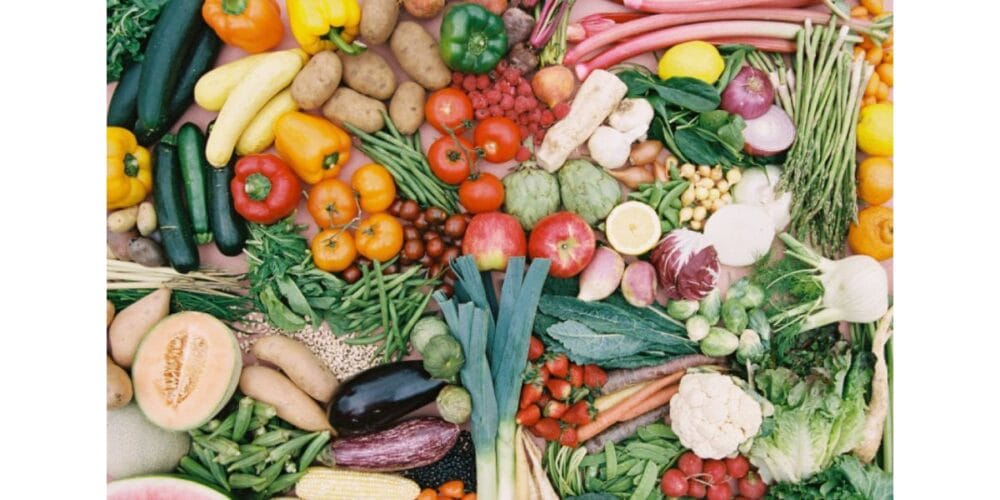
Our Favourite Pink & Red Fruits & Veggies
Nature loves colour—and when it comes to pink and red fruits and vegetables, these vibrant shades aren’t just beautiful, they’re powerful. From boosting heart health to supporting glowing skin, red and pink produce is packed with antioxidants, vitamins, and plant compounds that make them true nutritional stars.
Whether you grow them in your kitchen garden or pick them fresh from the market, these colourful fruits and veggies deserve a regular place on your plate. Let’s explore our favourite pink and red produce, why they’re so good for you, and how to enjoy them every day.
Table of Contents
Why Are Pink & Red Foods So Healthy?
The red and pink hues in fruits and vegetables usually come from natural plant pigments like lycopene, anthocyanins, and beta-carotene. These compounds help protect plants from environmental stress—and they do the same for our bodies.
Key benefits include:
- Improved heart health
- Reduced inflammation
- Better skin and eye health
- Support against oxidative stress
- Lower risk of certain chronic diseases
Now, let’s meet our favourites.




1. Tomatoes – The Garden Essential
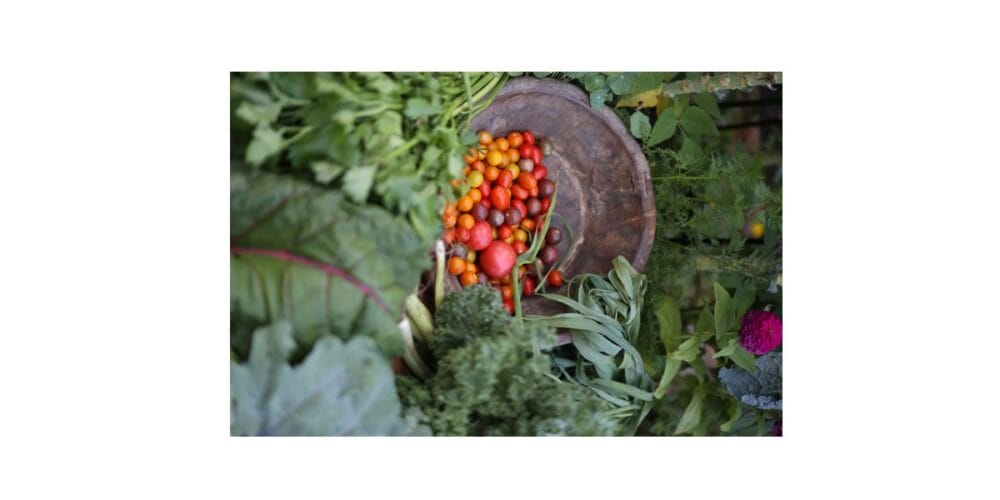
No list of red produce is complete without tomatoes. Whether eaten fresh, cooked, or sun-dried, tomatoes are rich in lycopene, a powerful antioxidant linked to heart health and cancer prevention.
Why we love them:
- Easy to grow in pots or beds
- Versatile in cooking
- Lycopene becomes more available when cooked
Best ways to enjoy: Fresh salads, sauces, soups, chutneys, and roasted dishes.
2. Strawberries – Sweet, Juicy & Nutritious
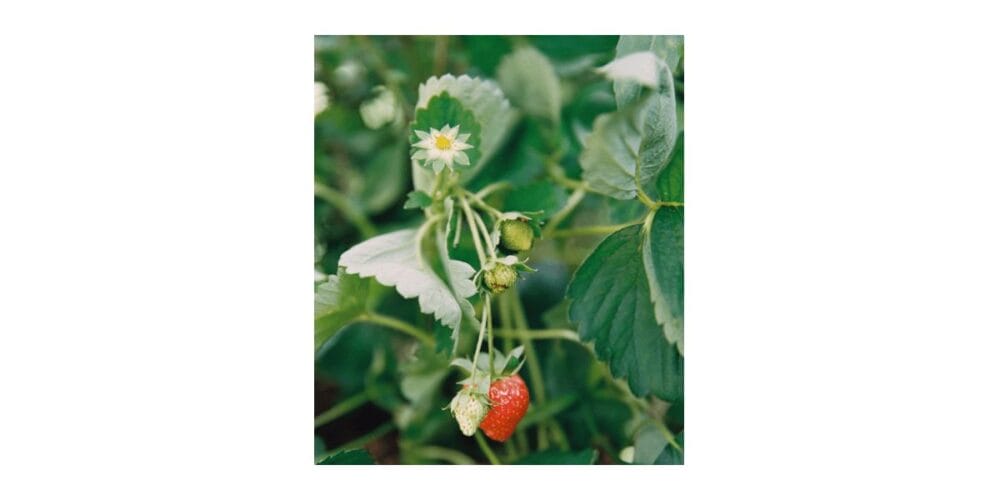
Strawberries are the perfect blend of sweetness and nutrition. Their bright red colour comes from anthocyanins, known for supporting brain and heart health.
Nutritional highlights:
- High in vitamin C
- Supports immune function
- Low in calories, high in flavour
Garden tip: Strawberries grow beautifully in containers, hanging baskets, and raised beds.
Also Read: How to Plant and Grow Your Own Organic Strawberries
3. Red Bell Peppers – Crunchy & Vitamin-Rich
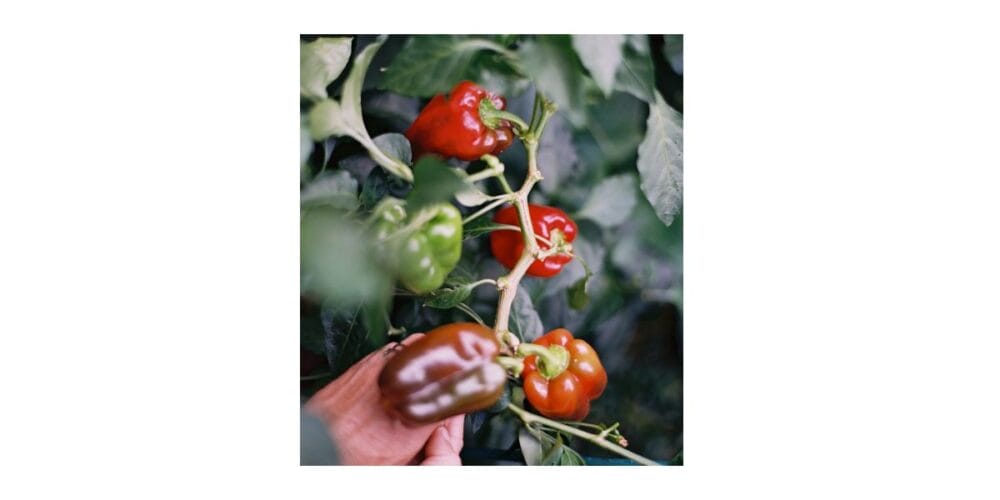
Red bell peppers are actually green peppers that have fully ripened—making them sweeter and more nutritious.
Why they stand out:
- Extremely high in vitamin C
- Rich in beta-carotene
- Supports skin and eye health
Use them in: Stir-fries, salads, stuffed peppers, and roasted vegetable trays.
4. Beets – Earthy, Bold & Beautiful
Beets bring deep red colour and serious health benefits. Their pigment, betalains, is known for anti-inflammatory and detox-supporting properties.
Health benefits:
- Improves blood circulation
- Supports liver health
- Naturally boosts stamina
Pink bonus: Beet juice and grated beet add gorgeous colour to dishes and drinks.
Also Read: Beetroot Cultivation: A Complete Guide for Successful Farming
5. Watermelon – Refreshing Pink Hydration
Nothing says summer like juicy watermelon. Its bright pink flesh is rich in lycopene and water, making it both nutritious and hydrating.
Why it’s a favourite:
- Over 90% water
- Supports heart health
- Great for hot climates
Try it: Fresh slices, smoothies, salads with mint, or chilled juices.
6. Pink Radishes – Crisp with a Kick
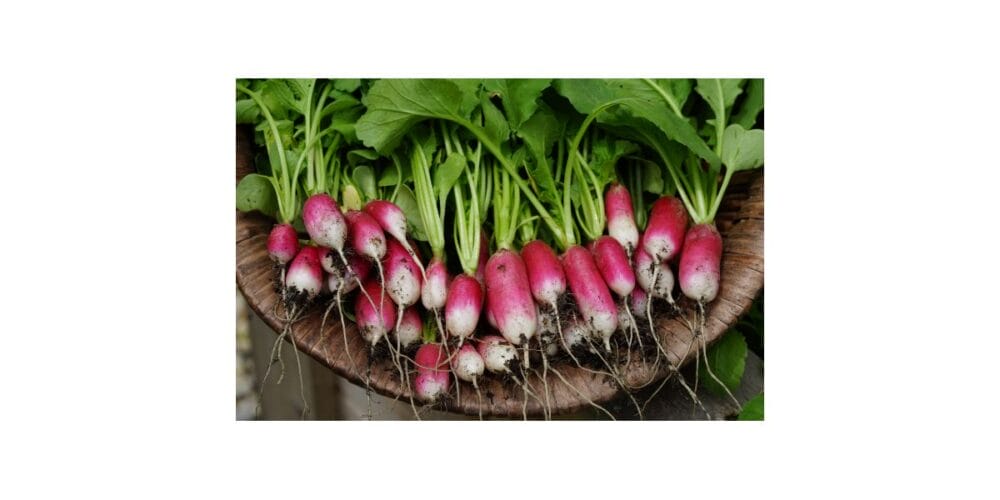
Radishes may be small, but they pack flavour, crunch, and nutrients. Their pink skin adds colour to salads and plates.
Why we love radishes:
- Quick-growing (ready in 3–4 weeks!)
- Supports digestion
- Low-calorie and fibre-rich
Kitchen tip: Don’t discard the greens—they’re edible and nutritious.
Also Read: Are Radishes Really All That Good for You?
7. Pomegranates – Ruby Red Powerhouses
Pomegranates are rich in polyphenols and antioxidants, making them one of the healthiest red fruits you can eat.
Key benefits:
- Supports heart and gut health
- Anti-inflammatory properties
- Boosts immunity
Enjoy them: As fresh seeds, juice, salad toppings, or dessert garnishes.
8. Red Onions – Sharp, Sweet & Protective
Red onions offer both flavour and health benefits, especially when eaten raw.
Why they’re special:
- Rich in quercetin (a powerful antioxidant)
- Supports immune and heart health
- Adds colour and crunch
Best uses: Salads, salsas, pickles, and lightly sautéed dishes.
How to Add More Pink & Red Produce to Your Diet
- Mix colours into salads and bowls
- Grow quick crops like radishes and tomatoes
- Add berries to breakfast
- Use roasted red veggies as side dishes
- Blend pink fruits into smoothies
Eating the rainbow—especially pinks and reds—ensures a wide range of nutrients in every meal.
Final Thoughts
Pink and red fruits and vegetables aren’t just eye-catching—they’re nutrient-dense, garden-friendly, and incredibly versatile in the kitchen. From juicy strawberries to earthy beets and crunchy peppers, these colourful foods support heart health, immunity, and overall wellbeing.
Whether you’re growing them organically at home or sourcing them fresh, adding more pink and red produce to your diet is one of the easiest (and tastiest) ways to eat healthier. So next time you’re planning your garden or grocery list, think pink, think red—and let your plate shine.
Also Read: About Our Favourite Pink & Red Fruits & Veggies on gardenary.com Site