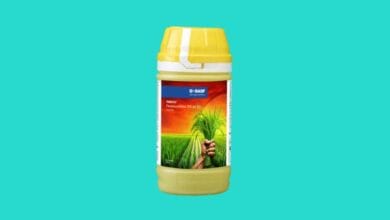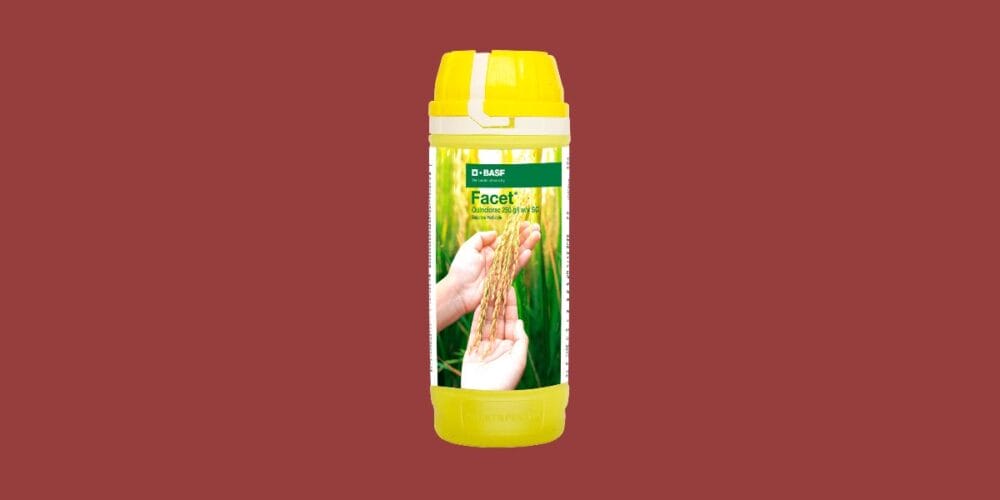
Introduction of Facet Herbicide
Weed management is one of the most critical challenges for rice farmers. Uncontrolled weeds compete fiercely with paddy crops for nutrients, sunlight, and water—ultimately reducing yield and quality. Facet Herbicide has emerged as a reliable and powerful solution designed specifically to control broadleaf weeds and grasses in rice cultivation. Its unique mode of action, long-lasting residual control, and crop safety make it a preferred choice among farmers looking for hassle-free weed control.
This comprehensive blog explains everything you need to know about Facet Herbicide, including its features, benefits, application guidelines, compatible crops, dosage, and frequently asked questions.
Table of Contents
What is Facet Herbicide?
Facet Herbicide is a selective, systemic herbicide widely used in rice cultivation to manage tough weeds such as barnyardgrass, broadleaf weeds, and sedges. The product is generally formulated using Quinclorac, a chemical that inhibits cell wall synthesis in susceptible weeds, ultimately causing them to wilt and die.
It is effective in both pre-emergence and early post-emergence applications, making it a versatile tool for controlling weeds at various growth stages. Its long residual activity ensures a weed-free environment during the early critical growth phase of rice, allowing the crop to establish strong and healthy stands.



Key Features of Facet Herbicide
Highly Effective Against Barnyardgrass
Barnyardgrass is one of the most problematic weeds in paddy fields. Facet Herbicide offers excellent control, even on resistant or difficult-to-manage species.
Works in Both Dry and Flooded Fields
Whether your rice field is direct-seeded, puddled, or flooded, Facet Herbicide performs reliably under different field conditions.
Suitable for Pre- and Post-Emergence Use
Its flexibility makes it ideal for targeting weeds right from germination to early growth stages.
Safe for Rice Crops
Facet Herbicide shows excellent selectivity towards rice, ensuring crop safety without causing phytotoxicity when used as recommended.
Long-Lasting Residual Control
It offers extended weed suppression, which reduces the need for repeated application and saves time, labour, and money.
Also Read: Stomp Xtra Herbicide: A Complete Guide for Effective Weed Control
How Facet Herbicide Works: Mode of Action
Facet Herbicide contains Quinclorac, which belongs to the group of auxin-mimic herbicides. Once absorbed through the leaves or roots, it:
- Disrupts cell wall formation
- Inhibits enzyme activity
- Causes abnormal cell division
- Leads to leaf curling, wilting, and eventual death of weeds
Its systemic action ensures that the herbicide spreads throughout the plant, providing thorough and long-lasting control.
Weeds Controlled by Facet Herbicide
Facet is particularly effective against:
- Barnyardgrass (Echinochloa spp.)
- Chinese sprangletop
- Broadleaf weeds
- Ducksalad
- Crabgrass
- Sedges
This broad-spectrum control makes it a dependable solution for rice farmers facing mixed weed infestations.
Also Read: Basagran Herbicide: A Reliable Post-Emergent Solution for Tough Broadleaf Weeds
Recommended Crops for Using Facet Herbicide
Facet Herbicide is mainly registered and recommended for use in:
Rice (Paddy)
Suitable for both transplanted and direct-seeded rice systems. Works well in dry, wet, and flooded fields.
Recommended Dose and Application Guidelines
Recommended Dose
- Pre-emergence: 400–500 ml per acre
- Early post-emergence: 500–600 ml per acre
(Dosage may vary depending on weed pressure and label recommendations.)
Method of Application
- Apply using a knapsack sprayer or tractor-mounted sprayer.
- Use Flat Fan or Flood Jet nozzle for uniform coverage.
- Maintain sufficient water in the field during post-emergence application.
- Ensure good soil moisture for pre-emergence application.
Time of Application
- For best results, apply within 0–3 days after sowing/transplanting (pre-emergence).
- For early post-emergence, apply 15–25 days after sowing when weeds are at the 2–4 leaf stage.
Tank Mixing
It can be tank-mixed with other herbicides depending on compatibility guidelines. Avoid mixing with alkaline products.
Also Read: What is Exponus insecticide?
Benefits of Using Facet Herbicide
1. Controls Tough and Resistant Weeds
Its powerful chemistry helps manage stubborn weed species that often develop resistance to other herbicides.
2. Protects Yield Potential
By eliminating early weed competition, it allows rice plants to utilize nutrients and sunlight fully, ensuring higher yield.
3. Reduces Labour Cost
Manual weeding in rice fields is labour-intensive and expensive. Facet Herbicide reduces dependency on physical labour.
4. Flexible Application Window
Can be applied before or after weed emergence, giving farmers flexibility based on field conditions.
5. Enhances Crop Establishment
Ensures clean fields during the early growth stages, promoting healthy and vigorous crop establishment.
Alternate Herbicides to Consider
If you’re looking for similar or complementary weed control solutions, you may also explore:
- Butachlor
- Pretilachlor
- Pendimethalin
- Bispyribac Sodium
- Cyhalofop-butyl
These can be used in rotation to prevent herbicide resistance and improve long-term weed management.
Frequently Asked Questions (FAQs)
1. Is Facet safe for rice crops?
Yes, when used as recommended, Facet Herbicide is highly selective and safe for rice.
2. Can I mix Facet with fertilizers?
Avoid mixing with granular fertilizers. Tank mixing with compatible herbicides is allowed.
3. Does it work on established weeds?
Facet works best on young, actively growing weeds. Mature weeds may require a tank mix partner.
4. How long does its residual effect last?
It offers 3–4 weeks of residual control depending on soil type and moisture.
5. Is Facet suitable for direct-seeded rice?
Yes, it performs well in both direct-seeded and transplanted rice fields.
Final Opinion
Facet Herbicide is an excellent solution for rice farmers battling tough broadleaf weeds and grasses, especially barnyardgrass. With its selective action, longer residual effect, and flexibility in application, it helps maintain clean fields during the most critical stages of rice growth. When used as part of an integrated weed management strategy, Facet ensures higher yield, healthier crops, and improved profitability for farmers.
Also Read About Facet Herbicide On BASF Site
Facet Herbicide Review
Product Cost
Compatibility
Availability
Aggregate Customer Score
Overall Rating: Excellent