What Is a Formal Potager?
If you’ve ever dreamed of a vegetable garden that looks as elegant as it is productive, a formal potager might be exactly what you’re looking for. Rooted in European garden tradition, the formal potager combines structured design with edible plants, proving that growing food can be just as beautiful as growing flowers.
In this guide, we’ll explore what a formal potager is, its history, key design elements, benefits, and tips for creating one in your own garden.
What Is a Formal Potager?
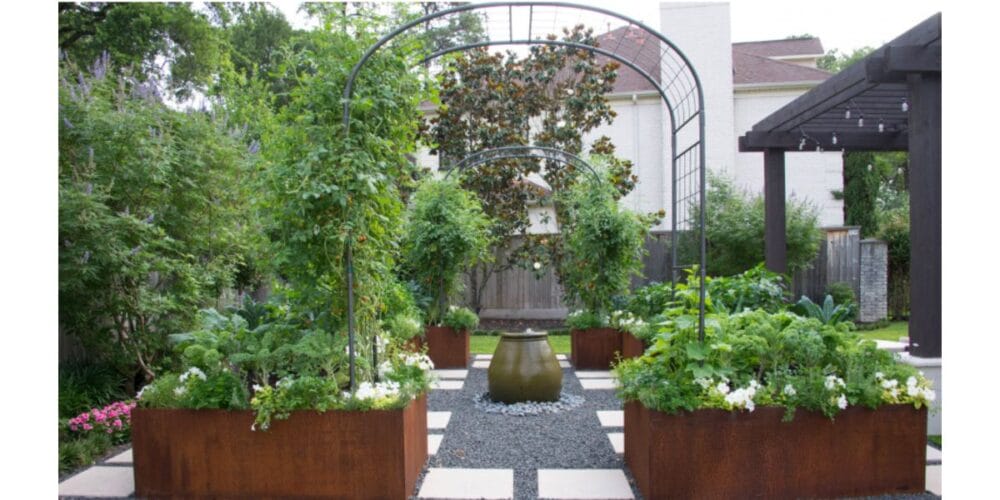
A formal potager is a carefully designed kitchen garden that emphasizes symmetry, geometry, and visual balance, while still producing vegetables, herbs, and edible flowers. The word potager comes from the French term potage, meaning soup, reflecting the garden’s original purpose: supplying fresh ingredients for the kitchen.
Unlike informal vegetable plots, formal potagers are planned with aesthetics in mind. Straight paths, raised beds, and neatly arranged plants turn everyday crops like lettuce, cabbage, and herbs into living garden art.



The History of Formal Potager Gardens
Formal potagers date back to medieval and Renaissance France, where they were commonly found in monasteries and estates. One of the most famous examples is the Potager du Roi (King’s Kitchen Garden) at the Palace of Versailles, designed in the 17th century.
These gardens were not just practical—they were symbols of order, abundance, and refinement. Over time, the concept spread across Europe and later inspired modern gardeners who wanted productive spaces without sacrificing beauty.
Key Features of a Formal Potager
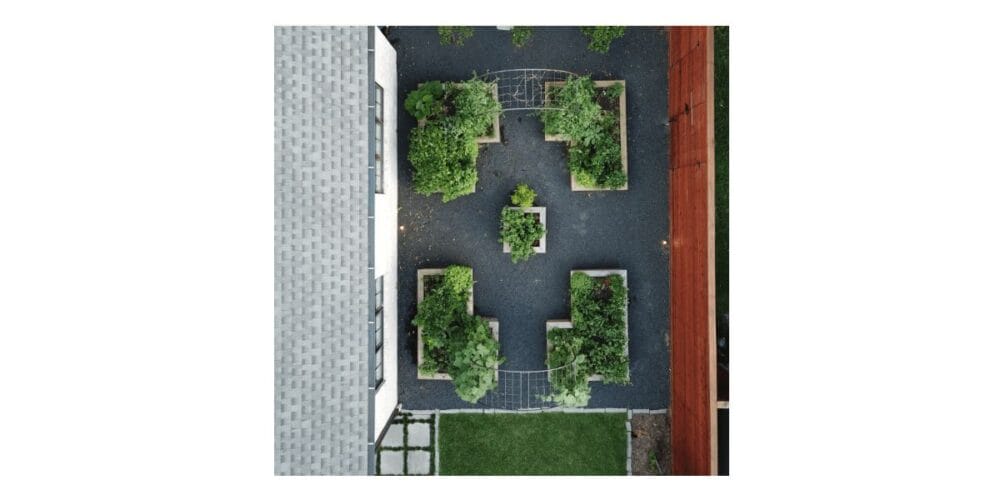
A formal potager is defined by its structure and layout. Here are the elements that set it apart:
1. Symmetrical Design
Formal potagers usually follow a symmetrical pattern, with beds laid out evenly on either side of a central path or focal point. This symmetry creates a sense of harmony and calm.
2. Geometric Garden Beds
Beds are often shaped into squares, rectangles, diamonds, or circles. These geometric forms make the garden feel organized and intentional.
3. Defined Pathways
Paths made of gravel, stone, brick, or grass separate the beds. These walkways improve access, reduce soil compaction, and enhance the garden’s visual appeal.
4. Raised Beds and Borders
Many formal potagers use raised beds edged with wood, stone, brick, or boxwood hedges. Borders clearly define planting areas and add structure year-round.
5. A Central Focal Point
A statue, sundial, birdbath, fountain, or obelisk is often placed at the center of the garden. This focal point anchors the design and draws the eye inward.
Also Read: The Pros and Cons of Stone Raised Garden Beds
Plants Commonly Grown in a Formal Potager
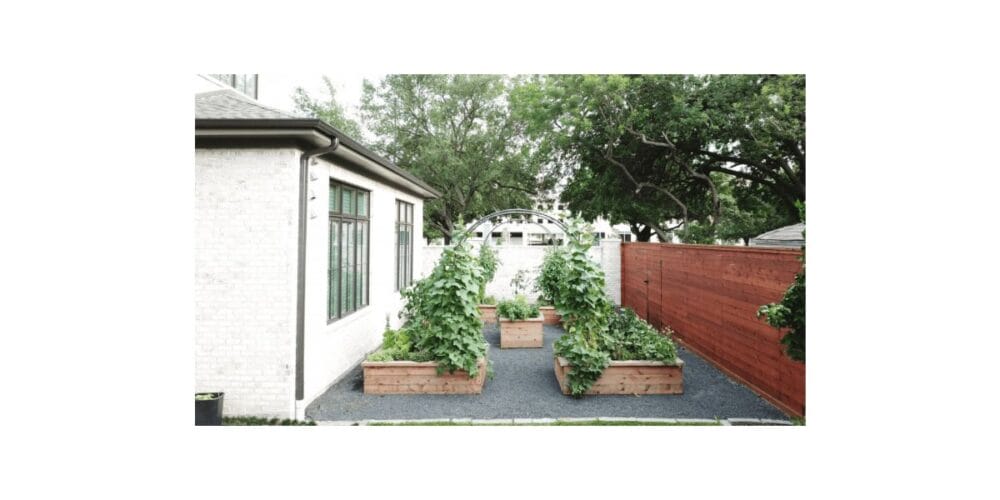
One of the joys of a formal potager is mixing ornamental and edible plants. Typical choices include:
- Vegetables: lettuce, cabbage, kale, carrots, beets, onions, tomatoes
- Herbs: basil, thyme, rosemary, parsley, chives
- Edible flowers: nasturtiums, calendula, violas, marigolds
Plants are often arranged by height, color, or texture to create patterns—purple basil next to green lettuce, or feathery carrots beside compact cabbages.
Also Read: The Complete Guide to Vertical Gardening
Benefits of a Formal Potager Garden
1. Beauty Meets Function
A formal potager produces fresh, healthy food while doubling as a decorative landscape feature.
2. Efficient Use of Space
Careful planning allows you to grow more in less space, making formal potagers ideal for small or urban gardens.
3. Easier Maintenance
Clearly defined beds and paths make watering, weeding, and harvesting more manageable.
4. Improved Crop Health
Good spacing, crop rotation, and companion planting help reduce pests and disease naturally.
5. Year-Round Interest
Even when crops are harvested, the structure of the garden—paths, borders, and focal points—keeps it visually appealing.
Also Read: Mint Leaves Growing Tips: A Complete Guide for Healthy and Flavorful Plants
Formal Potager vs. Informal Vegetable Garden
| Feature | Formal Potager | Informal Garden |
| Layout | Symmetrical, geometric | Free-form, irregular |
| Focus | Beauty + productivity | Productivity |
| Paths | Permanent and planned | Minimal or temporary |
| Design | Structured and decorative | Casual and practical |
Both styles have their place, but a formal potager is perfect for gardeners who value design as much as harvest.
How to Start a Formal Potager in Your Garden
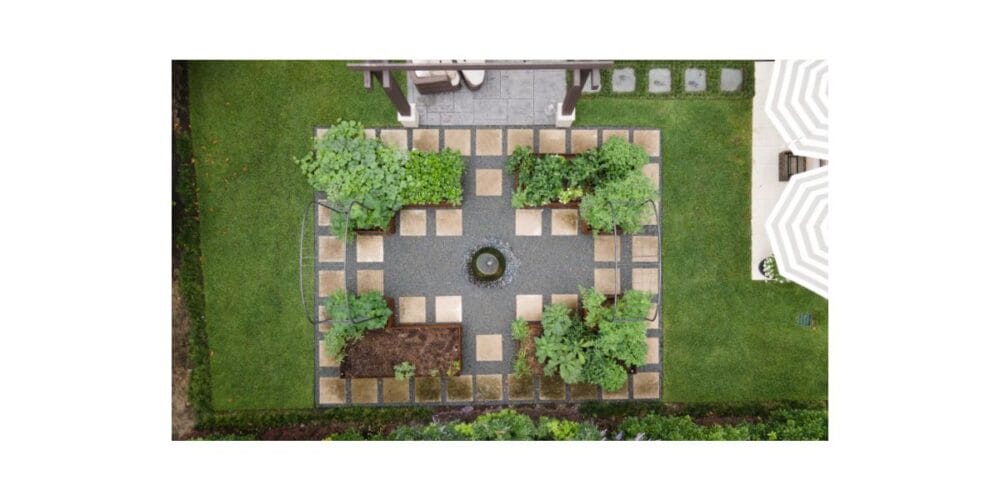
- Choose a sunny location with at least 6–8 hours of sunlight.
- Sketch a layout before planting, focusing on symmetry and pathways.
- Build raised beds or borders to define the structure.
- Plan plant combinations using contrasting colors, heights, and textures.
- Maintain regularly by trimming edges, replanting seasonal crops, and keeping paths tidy.
Final Thoughts
A formal potager is more than just a vegetable garden—it’s a celebration of order, beauty, and sustainability. By blending classic design principles with edible plants, it transforms food gardening into an elegant and rewarding experience.
Whether you have a large backyard or a compact kitchen garden, adopting the principles of a formal potager can elevate your space and make growing your own food a true pleasure.
Also Read: About What Is a Formal Potager? on gardenary.com Site