Why Tomato Cages Are Actually Terrible
Tomato cages are one of the most commonly recommended garden accessories. Walk into any garden center, and you’ll see stacks of shiny wire cages promising neat, upright tomato plants and higher yields. For beginner gardeners especially, tomato cages seem like an obvious solution.
But here’s the truth many experienced gardeners learn the hard way: tomato cages are often terrible for growing healthy, productive tomato plants. While they look convenient, they frequently cause more problems than they solve.
In this blog, we’ll break down why tomato cages fail, the issues they create for your plants, and better alternatives that actually support vigorous tomato growth.
Table of Contents
1. Most Tomato Cages Are Way Too Small

The biggest problem with standard tomato cages is simple—they’re undersized.


Most store-bought cages are:
- 3–4 feet tall
- Narrow at the top
- Made from thin wire
However, indeterminate tomato varieties (which include most popular home-garden tomatoes like cherry, beefsteak, and heirlooms) can easily grow 6–8 feet tall or more in a single season.
As a result:
- Plants outgrow cages within weeks
- Stems spill over the top and sides
- Fruits drag on the ground
Once the plant exceeds the cage’s size, the cage becomes useless.
Also Read: The Complete Guide to Growing Beets from Seed to Harvest
2. Weak Wire Cages Collapse Under Pressure
Tomato plants are heavy. Between thick vines, dense foliage, and pounds of ripening fruit, a mature tomato plant puts serious stress on its support system.
Cheap wire cages often:
- Bend under the weight
- Tip over in wind or rain
- Collapse mid-season
When cages fail, plants can snap, roots may loosen, and fruits get damaged. A fallen tomato cage in peak summer can ruin months of careful care overnight.
3. Poor Air Circulation Encourages Disease

Tomato cages encourage plants to grow inward and tangled, especially when the cage is too small. This creates dense foliage with poor airflow.
Poor air circulation leads to:
- Increased humidity around leaves
- Higher risk of fungal diseases
- Faster spread of blight, leaf spot, and mildew
Tomatoes thrive with good airflow and sunlight. Overcrowded cages trap moisture and shade inner leaves—exactly what diseases love.
4. Harvesting and Pruning Becomes a Nightmare
Once a tomato plant grows beyond its cage, harvesting becomes frustrating.
Common issues include:
- Fruits hidden deep inside the cage
- Hands scratched by sharp wire
- Difficulty reaching ripe tomatoes without breaking stems
Pruning is also harder. Removing suckers or diseased branches inside a tight cage feels like playing a dangerous game of garden Twister.
Also Read: How to Grow Bay Laurel at Home: A Complete Guide for Beginners
5. Cages Encourage Poor Growth Habits
Tomato cages give gardeners a false sense of security. Because cages seem like a “set it and forget it” solution, many gardeners stop actively managing plant growth.
This often results in:
- Unpruned, overcrowded plants
- Weak structural development
- Lower fruit quality
Tomatoes benefit from intentional training—guiding stems, removing excess growth, and spacing branches properly. Tomato cages discourage this hands-on approach.
Also Read: How to Plant and Grow Your Own Organic Strawberries
6. They’re a Waste of Money in the Long Run

While tomato cages appear inexpensive at first, they rarely last.
Over time:
- Thin wire rusts and breaks
- Bent cages lose shape
- Replacements are needed every season
When you add up the cost of buying new cages year after year, they’re far less economical than sturdier, reusable alternatives.
Better Alternatives to Tomato Cages
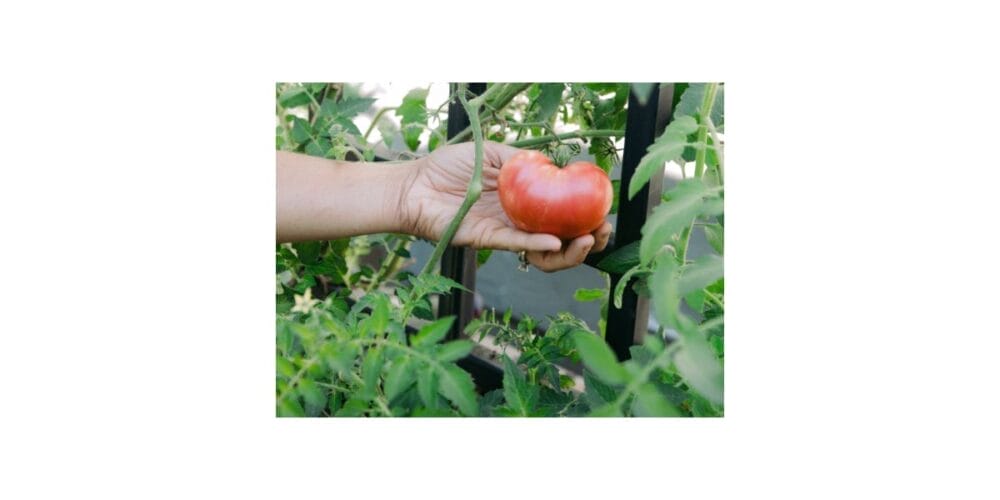
If tomato cages are so bad, what should you use instead? Here are proven alternatives that actually work.
1. Stakes (Simple and Effective)
Staking tomatoes is one of the best methods, especially for indeterminate varieties.
How it works:
- Drive a strong wooden or metal stake 6–8 feet into the ground
- Tie the main stem loosely using garden twine or soft ties
- Prune to 1–2 main leaders
Benefits:
- Excellent airflow
- Easy harvesting
- Strong vertical growth
2. Florida Weave (Great for Rows)
The Florida weave is ideal for gardeners growing multiple tomato plants in a row.
How it works:
- Place stakes every 2–3 plants
- Weave twine back and forth to support stems
- Add new layers as plants grow
Benefits:
- Low cost
- Strong support
- Scales well for larger gardens
3. Trellises and Cattle Panels (Heavy-Duty Support)
For serious tomato growers, trellises or cattle panels are unbeatable.
Benefits:
- Extremely durable
- Supports heavy yields
- Lasts for many seasons
Tomatoes trained on trellises stay upright, well-ventilated, and easy to manage.
4. Homemade DIY Supports
From bamboo poles to wooden frames, homemade supports allow customization based on your garden space and tomato variety.
Why they’re better:
- Adjustable height
- Stronger materials
- Cost-effective over time
Final Thoughts: Skip the Tomato Cages
Despite their popularity, tomato cages are one of the most overrated gardening tools. They’re too small, too weak, and poorly suited for the natural growth habits of most tomato plants.
By switching to better support systems like stakes, trellises, or the Florida weave, you’ll enjoy:
- Healthier plants
- Fewer diseases
- Easier harvesting
- Bigger, better tomato yields
So next time you’re tempted by a stack of shiny wire cages, save your money—and your tomatoes—and choose a support method that actually works.
Also Read: About Why Tomato Cages Are Actually Terrible on gardenary.com Site