How to Grow Your Own Organic Bok Choy
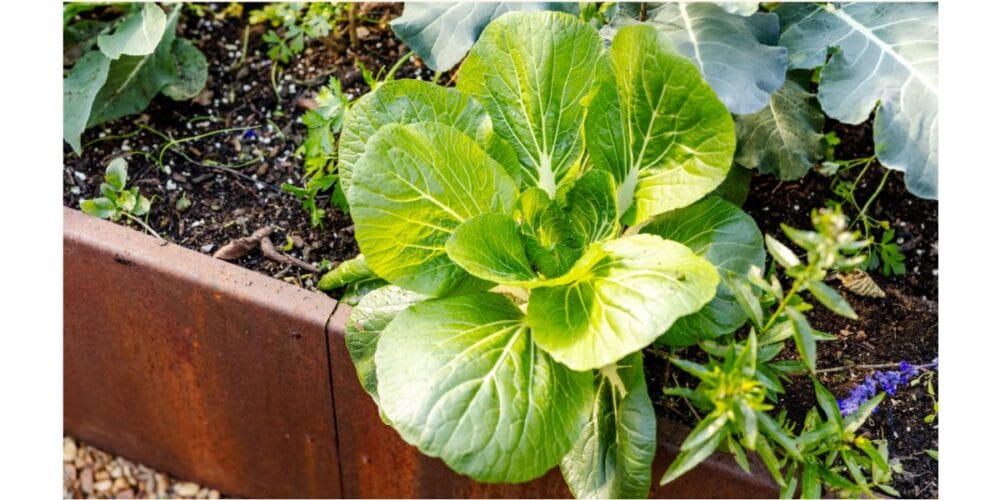
Bok choy, also known as pak choi or Chinese cabbage, is a fast-growing leafy vegetable that thrives in cool weather and fits perfectly into an organic kitchen garden. With its crisp white stalks and tender green leaves, bok choy is packed with nutrients and can be harvested in just a few weeks. The best part? It is easy to grow organically, even for beginners.
This complete guide will walk you through everything you need to know to grow your own organic bok choy at home.
Table of Contents
Why Grow Organic Bok Choy at Home?
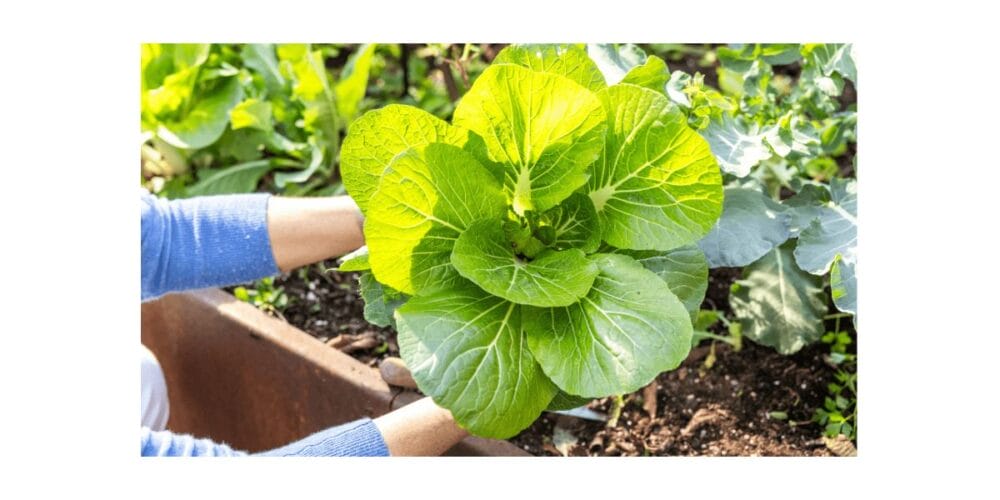
Growing bok choy organically ensures that your harvest is free from chemical pesticides and synthetic fertilizers. Homegrown bok choy tastes fresher, retains more nutrients, and allows you to harvest leaves as needed. It is also a space-efficient crop, making it ideal for raised beds, containers, and small backyard gardens.
Choosing the Right Variety
There are several varieties of bok choy to choose from, depending on your space and climate:
- Baby Bok Choy: Compact and quick to harvest, perfect for containers
- Shanghai Bok Choy: Light green stems with mild flavor
- White Stem Bok Choy: Thick white stalks and dark green leaves
Choose bolt-resistant varieties if you live in areas where temperatures rise quickly.
Also Read: How to Grow Your Own Organic Broccoli
Best Time to Plant Bok Choy
Bok choy is a cool-season crop. It grows best when temperatures range between 10–20°C.
- Spring planting: Sow seeds 2–3 weeks before the last frost
- Autumn planting: Sow seeds 6–8 weeks before the first expected frost
Avoid planting during peak summer, as high temperatures can cause premature bolting.
Soil Preparation for Organic Bok Choy
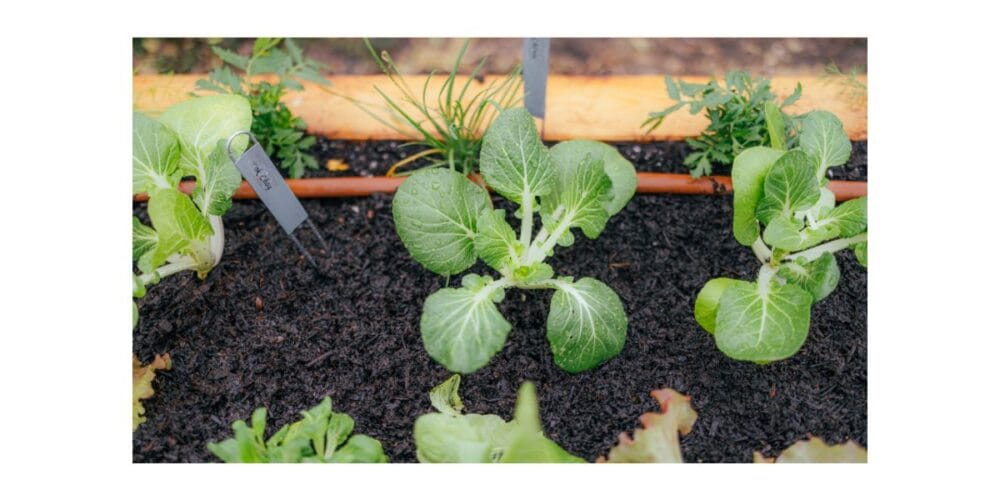
Healthy soil is the foundation of organic gardening. Bok choy prefers loose, fertile, and well-drained soil with a slightly acidic to neutral pH (6.0–7.0).
- Mix in plenty of well-rotted compost or vermicompost
- Add aged farmyard manure to boost organic matter
- Ensure the soil is free from stones to support proper root growth
Raised beds work particularly well for bok choy.
How to Plant Bok Choy Seeds
Bok choy grows best when directly sown, though it can also be transplanted carefully.
- Sow seeds about 0.5 cm deep in the soil
- Space seeds 10–15 cm apart for baby bok choy, or 20–25 cm for mature heads
- Water gently to keep the soil evenly moist
Seeds usually germinate within 4–7 days.
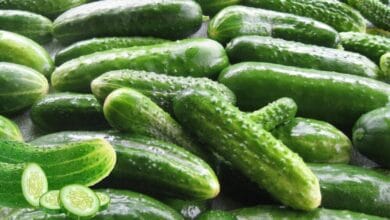
Also Read: 3 Signs Your Cucumbers Are Ready to Harvest
Watering and Mulching
Consistent moisture is key to tender, flavorful bok choy.
- Water regularly to keep soil moist but not waterlogged
- Avoid letting the soil dry out completely
- Mulch with straw, dry leaves, or grass clippings to retain moisture and suppress weeds
Uneven watering can make leaves bitter and tough.
Organic Fertilization Tips
Bok choy is a leafy vegetable and benefits from nitrogen-rich organic nutrition.
- Apply liquid compost tea or vermiwash every 10–15 days
- Use fermented plant-based fertilizers like jeevamrit or fish amino acid
- Avoid over-fertilization, which can lead to excessive leaf growth and pest issues
Balanced nutrition ensures healthy leaves and crisp stems.
Managing Pests the Organic Way
Common pests affecting bok choy include aphids, flea beetles, and caterpillars.
- Inspect plants regularly, especially the underside of leaves
- Spray neem oil solution every 7–10 days as a preventive measure
- Use homemade garlic-chili spray to deter chewing insects
- Encourage beneficial insects like ladybugs
Row covers can also protect young plants from pest damage.
Preventing Diseases
Most bok choy diseases are related to excess moisture and poor airflow.
- Avoid overhead watering
- Ensure proper plant spacing
- Remove infected leaves immediately
- Practice crop rotation with non-brassica crops
Healthy soil and good garden hygiene go a long way in disease prevention.
Harvesting Bok Choy
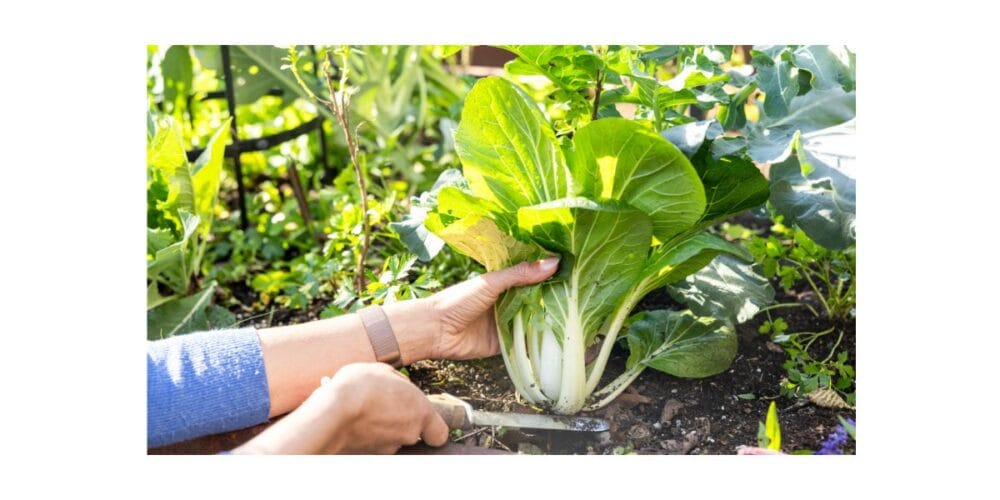
One of the biggest advantages of bok choy is its quick harvest time.
- Baby bok choy: Ready in 25–30 days
- Full-sized plants: Ready in 40–50 days
You can harvest the whole plant by cutting it at the base, or pick outer leaves first to allow continuous growth.
Growing Bok Choy in Containers
Bok choy grows exceptionally well in containers.
- Choose pots at least 20–25 cm deep
- Ensure good drainage holes
- Use a rich organic potting mix
- Place containers in a spot with 4–6 hours of sunlight
Container-grown bok choy is easy to manage and ideal for balconies or terraces.
Also Read: The Best Types of Basil to Grow in an Herb Garden
Benefits of Growing Bok Choy Organically
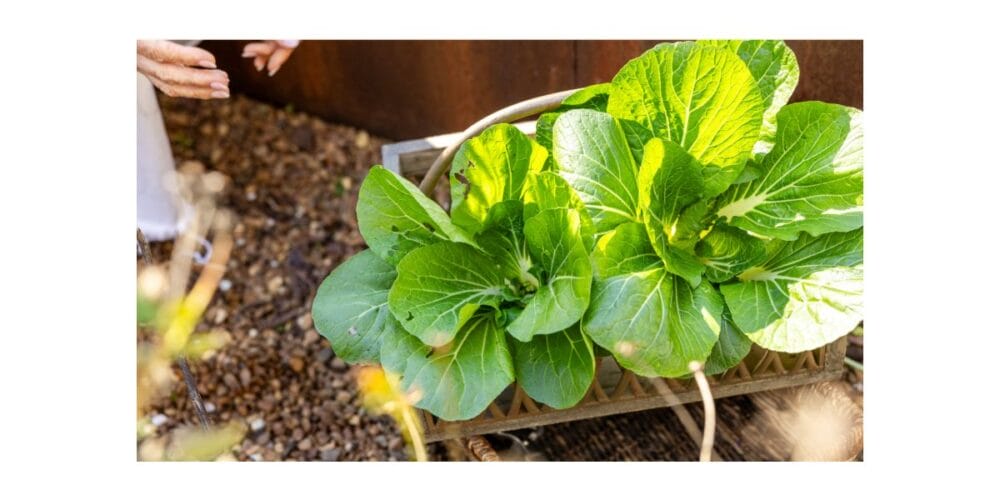
- Fresh, chemical-free leafy greens
- High in vitamins A, C, K, and calcium
- Fast-growing and beginner-friendly
- Suitable for small spaces
- Reduces grocery costs
Final Thoughts
Growing your own organic bok choy is rewarding, simple, and highly productive. With the right soil, consistent watering, and basic organic care, you can enjoy multiple harvests of this nutritious leafy green throughout the cooler months. Whether you grow it in garden beds or containers, bok choy is a must-have crop for any organic kitchen garden.
Start sowing today and enjoy farm-fresh bok choy straight from your garden to your plate.
Also Read: About How to Grow Your Own Organic Bok Choy on gardenary.com Site
-
-
-
-
-

-

-
-
-
-
-
-
-
-
-
-
-

-

-
-
-
-
-
-
-
-
-
-
-
-
-
-
-
-
-
-

-
-

-

-

-
-

-

-
-

-
-
-
-

-