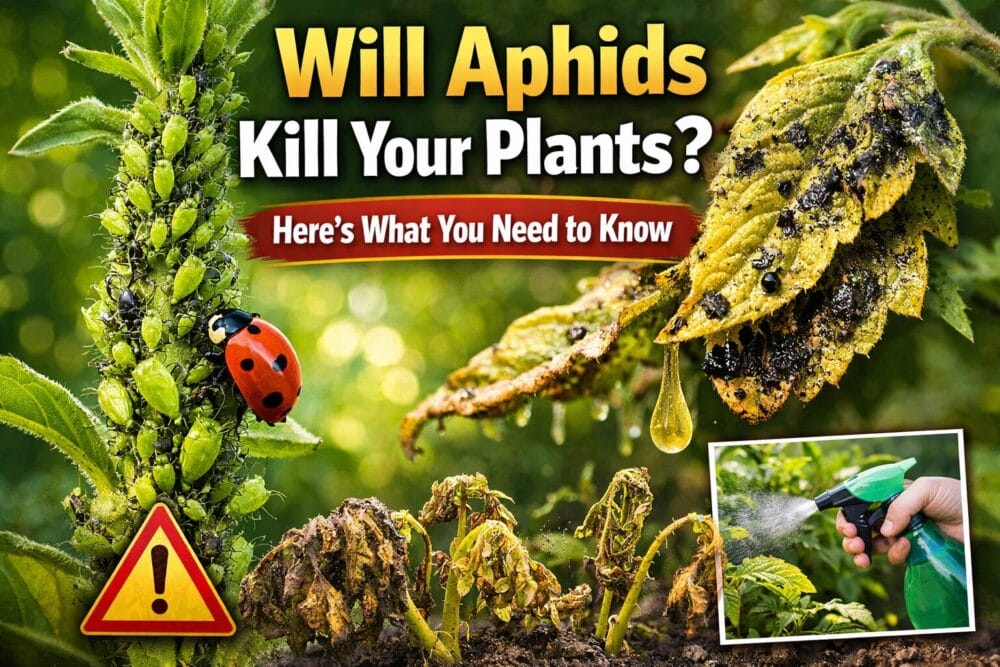
Will aphids actually kill your plants?
Will aphids actually kill your plants? Aphids may look harmless—tiny, soft-bodied insects barely visible on leaves—but don’t underestimate them. These pests reproduce rapidly and suck sap from plants, weakening them over time. But the big question is: Will aphids actually kill your plants? The answer is more complex than a simple yes or no.
What Are Aphids and Why Are They Dangerous?
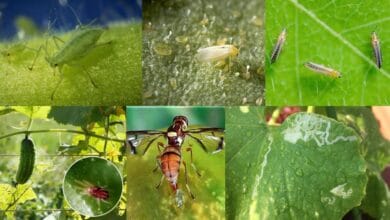
Aphids are small insects that feed on plant sap using needle-like mouthparts. They target a wide range of plants—from vegetables and fruits to ornamentals.
Why they’re harmful:
- Drain essential nutrients from plants
- Cause leaves to curl, yellow, or deform
- Secrete sticky honeydew that attracts fungi
- Spread plant viruses rapidly
Will Aphids Kill Your Plants?


Short Answer:
Yes, aphids can kill plants—but usually only in severe infestations.
Detailed Explanation:
Most healthy plants can tolerate small numbers of aphids. However, when populations explode, aphids can:
- Severely weaken plant growth
- Stop flowering and fruiting
- Spread deadly plant diseases
- Cause complete plant collapse
Young plants, seedlings, and stressed crops are especially vulnerable.
Signs Aphids Are Killing Your Plants

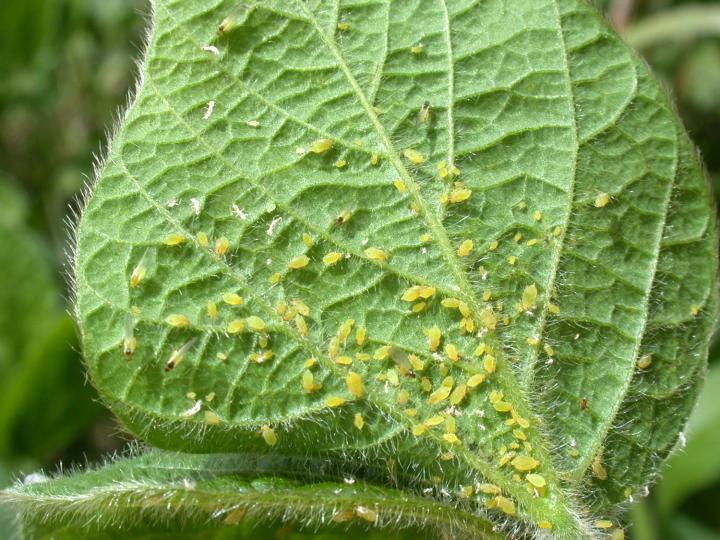
Watch out for these warning signs:
- Yellowing or wilting leaves
- Curled or distorted growth
- Sticky residue (honeydew) on leaves
- Black sooty mold developing
- Stunted growth or no yield
If you notice multiple symptoms, your plant is under serious attack.
How Fast Can Aphids Kill Plants?
Aphids reproduce incredibly fast. A single aphid can produce dozens of offspring in just days.
- Light infestation → minor damage
- Moderate infestation → growth slows within 1–2 weeks
- Severe infestation → plant death possible within weeks
Speed depends on plant type, weather, and plant health.
Which Plants Are Most at Risk?
Aphids attack almost everything, but these are most vulnerable:
- Vegetables (tomatoes, cabbage, peppers)
- Fruit plants (citrus, apple)
- Flowering plants (roses)
- Indoor plants
Tender and young plants are at the highest risk.
How to Stop Aphids Before They Kill Your Plants


Take action early to prevent damage:
1. Natural Methods:
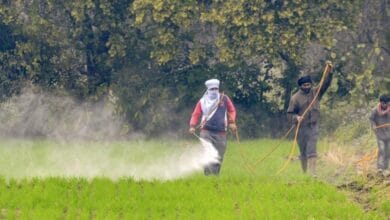
- Spray neem oil
- Use insecticidal soap
- Introduce ladybugs (natural predators)
- Blast with water to remove them
2. Preventive Tips:
- Inspect plants regularly
- Avoid over-fertilizing
- Keep plants healthy and stress-free
Pro Tip for Gardeners
Aphids rarely kill strong plants outright—but they open the door to diseases that can. Early detection is your best defense.
FAQs: Will Aphids Kill My Plants?
1. Can aphids kill plants overnight?
No, aphids don’t kill plants overnight. However, heavy infestations can cause serious damage within weeks.
2. Should I remove aphids immediately?
Yes. Early removal prevents rapid population growth and severe damage.
3. Do all plants die from aphids?
Not all. Healthy plants can survive small infestations, but weak plants may die.
4. Are aphids more dangerous indoors or outdoors?
Both, but indoor plants are at higher risk because natural predators are absent.
5. What is the fastest way to get rid of aphids?
Spraying water, neem oil, or insecticidal soap works quickly and effectively.
Final Verdict: Should You Be Worried?
Aphids are small—but their impact is huge.
👉 They won’t always kill your plants—but ignoring them can.
If you act early, your plants will recover. If you delay, you risk losing them entirely.
Also Read: Organic Ways to Control Pests in the Garden
You can buy the agriculture products online on Pradhanagro.co.in
-
-
-
-
-
-
-
-
-
-

-

-

-
-

-
-

-

-
-
-
-
-
-
-
-
-

-
-
-
-
-
-
-
-
-

-
-

-

-

-
-

-

-

-
-

-

-
-
-
-