
Introduction of Basics of Composting at Home
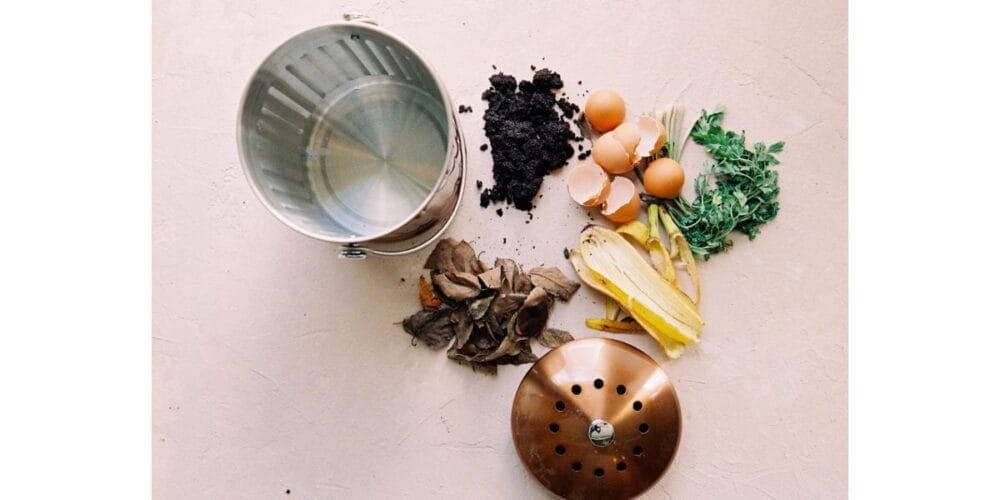
Composting at home is one of the simplest and most effective ways to reduce household waste while creating rich, natural fertilizer for your garden. Whether you have a backyard, a terrace, or even a small balcony, composting can easily fit into your lifestyle. This guide covers the basics of composting at home, including what composting is, why it matters, different methods, materials required, and common mistakes to avoid.
Table of Contents
What Is Composting?
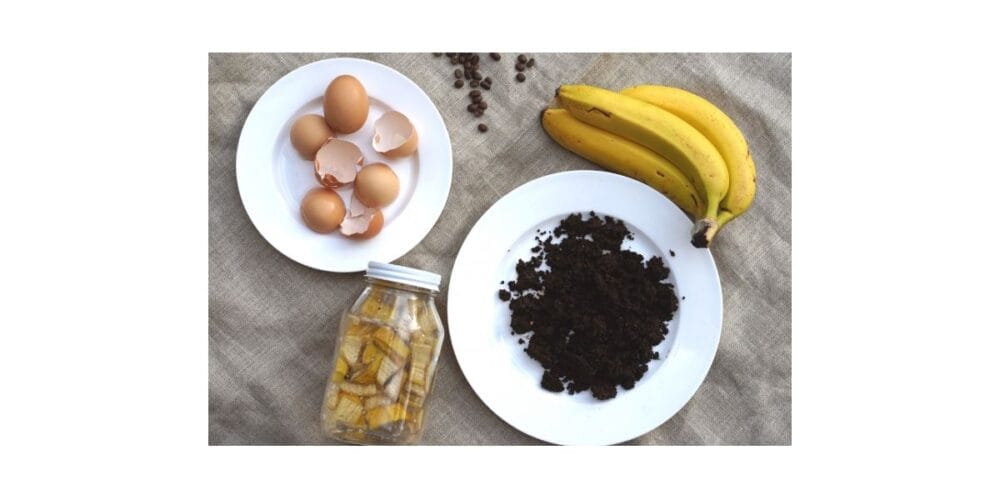
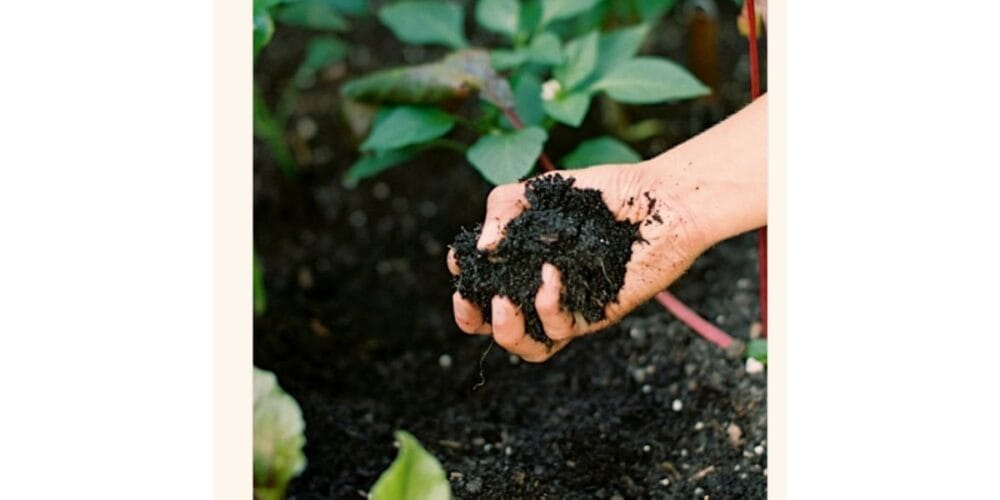
Composting is a natural process where organic waste such as kitchen scraps, garden waste, and dry leaves decompose into a nutrient-rich material called compost. Microorganisms like bacteria and fungi, along with earthworms and insects, break down organic matter in the presence of air and moisture. The final product resembles dark, crumbly soil and is packed with nutrients that improve soil health and plant growth.
Why Compost at Home?
Home composting offers multiple environmental and practical benefits:
- Reduces household waste by up to 50–60%
- Lowers landfill burden and greenhouse gas emissions
- Produces free organic manure for plants
- Improves soil structure, water retention, and fertility
- Encourages sustainable living and eco-friendly habits
For gardeners, compost is often called “black gold” because of its long-term benefits to soil and crops.
Also Read: Complete Guide to Starting a Garden: From Planning to Planting
Types of Composting Methods for Home

Depending on space, time, and preference, you can choose from different composting methods:
1. Pit or Backyard Composting
Suitable for homes with gardens. Organic waste is added to a pit or compost heap and allowed to decompose naturally.
2. Bin Composting
Ideal for urban homes. Composting bins can be placed on balconies, terraces, or kitchens. These bins are easy to manage and control odor.
3. Vermicomposting
Uses earthworms (usually red wigglers) to break down organic waste faster. It produces high-quality compost called vermicompost.
4. Bokashi Composting
A fermentation-based method using special microbes. It works well indoors and handles cooked food waste too.
Also Read: How to Protect Plants from Frost:12 Effective Tips for Healthy Winter Gardening
What Can and Cannot Be Composted
Compostable Materials (Greens & Browns)
Greens (Nitrogen-rich):
- Vegetable and fruit peels
- Tea leaves and coffee grounds
- Fresh grass clippings
- Kitchen scraps (raw)
Browns (Carbon-rich):
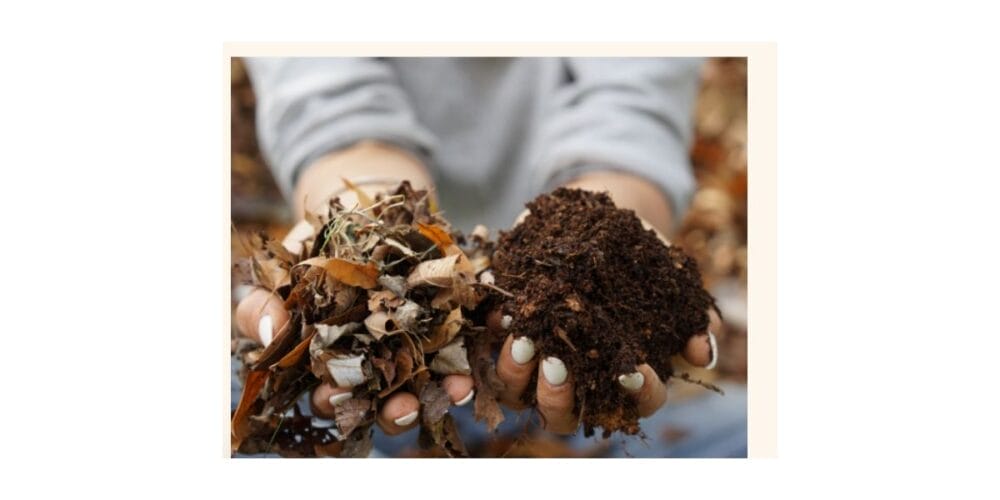
- Dry leaves
- Shredded paper or cardboard
- Sawdust
- Straw and dried grass
A good compost balance is 2 parts browns to 1 part greens.
Materials to Avoid
- Meat, fish, and dairy products
- Oily or fried foods
- Plastic, glass, or metal
- Diseased plants
- Pet waste
Step-by-Step Guide to Composting at Home
Step 1: Choose a Composting Container
Select a compost bin, earthen pot, or plastic drum with holes for aeration and drainage.
Step 2: Add a Base Layer
Start with dry materials like twigs or dry leaves to improve airflow.
Step 3: Add Kitchen Waste
Add chopped kitchen waste in small quantities. Smaller pieces decompose faster.
Step 4: Cover with Dry Waste
Always cover wet waste with dry leaves or shredded paper to avoid smell and flies.
Step 5: Maintain Moisture and Aeration
The compost should be moist, not wet. Mix or turn it every 7–10 days to allow oxygen flow.
Step 6: Wait and Monitor
Depending on the method, compost will be ready in 45–90 days. Finished compost is dark, crumbly, and smells earthy.
Also Read: How to Cut Back Chives and What to Do with Their Blossoms
Common Composting Problems and Solutions
- Bad smell: Too much wet waste or lack of air – add dry material and mix well.
- Flies or insects: Waste exposed – always cover with dry matter.
- Slow decomposition: Large waste pieces or imbalance – chop waste and maintain green-brown ratio.
- Too wet compost: Poor drainage – add more browns and ensure air holes.
How to Use Finished Compost
Once ready, compost can be used in multiple ways:
- Mix with garden soil for pots and beds
- Use as top dressing for plants
- Prepare compost tea for liquid feeding
- Improve soil before sowing seeds
For best results, mix compost with soil in a 1:3 ratio.
Composting Tips for Beginners
- Start small and stay consistent
- Chop waste into smaller pieces
- Avoid adding too much waste at once
- Keep compost slightly moist
- Be patient – composting is a natural process
Frequently Asked Questions (FAQs)
Q1. Does composting smell bad?
No, properly managed compost smells earthy. Bad odor indicates imbalance.
Q2. Can composting be done in flats?
Yes, bin composting and vermicomposting are perfect for flats and apartments.
Q3. How long does composting take?
It usually takes 1.5 to 3 months, depending on the method and conditions.
Q4. Is compost safe for all plants?
Yes, mature compost is safe and beneficial for all plants.
Q5. Can I compost cooked food?
It’s better to avoid cooked food unless using Bokashi composting.
Final Thoughts
Composting at home is an easy yet powerful step toward sustainable living. With minimal effort, you can convert everyday kitchen waste into valuable organic fertilizer that improves plant health and soil fertility. Whether you are a home gardener, terrace farmer, or eco-conscious household, learning the basics of composting empowers you to reduce waste and nurture nature—right from your home.
Also Read: About the Basics of Composting at Home on the gardenary.com Site
-
-
-

-
-

-

-

-

-

-

