Types of Beans in India
Beans are an essential part of the Indian diet and agriculture. They are widely consumed across the country in various forms such as fresh vegetables, dried pulses, curries, snacks, and traditional dishes. Rich in protein, fiber, vitamins, and minerals, beans play a crucial role in ensuring nutritional security, especially in vegetarian diets.
India grows a wide variety of beans due to its diverse climate and soil conditions. This blog explores the major types of beans found in India, their regional importance, culinary uses, and health benefits.
Here is a short and easy table on Types of Beans in India:
| Type of Bean | Common Name (India) | Major Growing Regions |
|---|---|---|
| Kidney Bean | Rajma | Himachal Pradesh, Jammu & Kashmir, Uttarakhand |
| Mung Bean | Moong Dal | Rajasthan, Maharashtra, Madhya Pradesh |
| Black Gram | Urad Dal | Uttar Pradesh, Andhra Pradesh, Tamil Nadu |
| Chickpea | Chana | Madhya Pradesh, Rajasthan, Maharashtra |
| Cowpea | Lobia | Punjab, Haryana, Uttar Pradesh |
| Soybean | Soybean | Madhya Pradesh, Maharashtra |
| Broad Bean | Fava Bean / Bakla | West Bengal, Karnataka |
| Cluster Bean | Guar | Rajasthan, Gujarat, Haryana |
1. Kidney Beans (Rajma)
Kidney beans, commonly known as Rajma, are one of the most popular beans in North India. They are large, kidney-shaped, and usually red or maroon in color. Rajma is extensively cultivated in Jammu & Kashmir, Himachal Pradesh, Uttarakhand, and parts of Maharashtra.
Rajma is best known for the famous Rajma Chawal, a staple comfort food. Nutritionally, kidney beans are rich in plant-based protein, iron, potassium, and dietary fiber. They help in improving digestion, controlling blood sugar levels, and supporting heart health.



2. Chickpeas (Chana)
Chickpeas, locally called Chana, are among the most widely grown legumes in India. They are available in two main types: Desi Chana (brown or black) and Kabuli Chana (white or cream-colored). Major producing states include Madhya Pradesh, Rajasthan, Maharashtra, and Uttar Pradesh.
Chickpeas are used in multiple forms such as whole beans, split dal (chana dal), flour (besan), and snacks. They are rich in protein, fiber, folate, and manganese, making them excellent for muscle growth and digestive health.
3. Black Gram (Urad Bean)
Urad beans, also known as black gram, are small black beans with a white interior. They are widely grown in Andhra Pradesh, Tamil Nadu, Maharashtra, and Uttar Pradesh. Urad dal is a key ingredient in South Indian dishes like idli, dosa, vada, and papad.
These beans are highly nutritious, offering good amounts of protein, calcium, iron, and magnesium. Urad beans are also known for improving gut health and boosting energy levels.
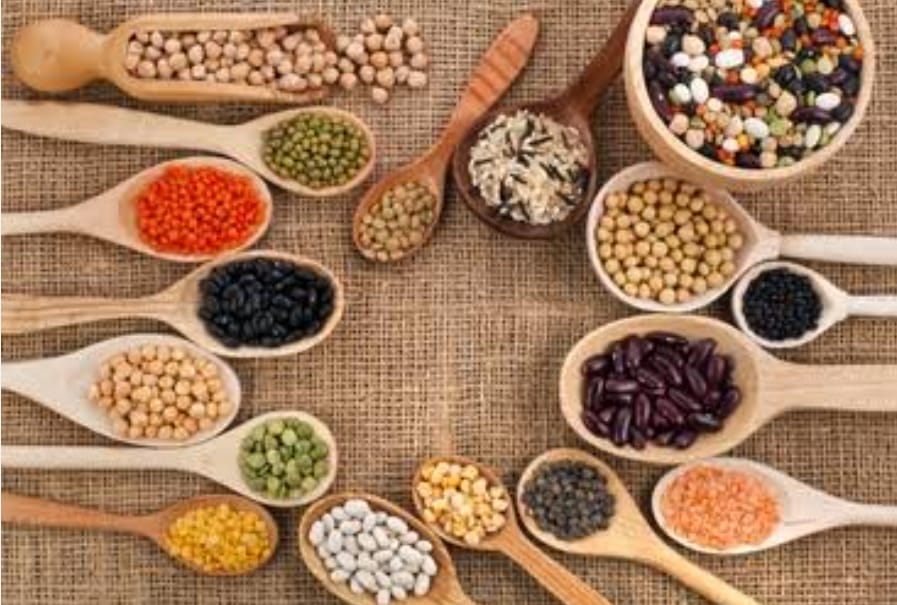
4. Green Gram (Moong Bean)
Green gram or Moong beans are small, green-colored beans commonly grown across India. They are consumed whole, split, or sprouted. Moong beans are especially popular in light meals, khichdi, salads, and snacks.
Moong beans are easy to digest and are rich in protein, antioxidants, vitamin B, and fiber. They are often recommended during illness and for weight management due to their low calorie and high nutrient content.
Also Read:The Best Varieties of Peppers to Grow at Home
5. Pigeon Pea (Arhar or Toor Dal)
Arhar dal, also known as pigeon pea, is a staple pulse in most Indian households. It is mainly cultivated in Maharashtra, Karnataka, Madhya Pradesh, and Telangana. Arhar dal is widely used in dishes like sambar, dal tadka, and rasam.
This bean is rich in protein, carbohydrates, folic acid, and minerals. It supports muscle health, improves digestion, and provides sustained energy.
6. Cowpea (Lobia)
Cowpea, commonly known as Lobia or black-eyed pea, is grown in northern and western parts of India. It is used both as dry beans and fresh green pods. Lobia curry is popular in Punjab and Rajasthan.
Cowpeas are high in fiber, protein, iron, and zinc. They help improve digestion, regulate blood sugar, and support heart health.
Also Read:How Many Blooms Can You Get From One Zinnia Plant?
7. Broad Beans (Fava Beans)
Broad beans, also called fava beans, are grown in parts of Maharashtra, Karnataka, and the Himalayan regions. They are large, flat, and green when fresh.
These beans are rich in protein, folate, and antioxidants. Broad beans are commonly used in vegetable curries, stir-fries, and traditional regional dishes.
8. Cluster Beans (Guar)
Cluster beans, popularly known as Guar, are widely cultivated in Rajasthan, Haryana, and Gujarat. Though often classified as vegetables, they belong to the bean family.
Guar beans are low in calories and high in dietary fiber. They are beneficial for digestion, diabetes management, and gut health. Guar gum extracted from these beans has industrial and food-processing applications.
9. French Beans
French beans are tender green beans grown mainly in hill regions and cooler climates of India. They are commonly used in stir-fries, salads, and curries.
They provide vitamins A, C, K, and folate, along with antioxidants that help improve immunity and skin health.
Also Read:Basics of Composting at Home: A Complete Beginner’s Guide
Importance of Beans in Indian Agriculture
Beans are nitrogen-fixing crops that improve soil fertility and reduce the need for chemical fertilizers. They are vital for sustainable farming systems and provide livelihood opportunities to millions of small farmers across India.
Conclusion
India’s wide variety of beans reflects its rich agricultural diversity and culinary heritage. From everyday dals to festive dishes, beans form the backbone of Indian nutrition. Including different types of beans in your diet ensures balanced nutrition, supports digestive health, and contributes to sustainable agriculture.
Frequently Asked Questions (FAQ)
Q1. Which bean is most consumed in India?
Arhar dal and chickpeas are among the most commonly consumed beans in India.
Q2. Are beans good for vegetarians?
Yes, beans are an excellent source of plant-based protein and essential nutrients for vegetarians.
Q3. Which beans are easiest to digest?
Moong beans and sprouted beans are considered the easiest to digest.
Q4. Can beans help in weight loss?
Yes, beans are high in fiber and protein, which promote fullness and help in weight management.
Q5. How often should beans be eaten?
Beans can be safely consumed 3–5 times a week as part of a balanced diet.